
NYC parking rules are not one rule. They are a stack of signs, arrows, days, hours, curb conditions, temporary notices, and exceptions that all have to line up at the same time.
This page is the practical hub. Use it to understand what to check before you stop, when to slow down and read again, and where Spotlink tools like CurbAI and Ticket Guard fit into the decision.
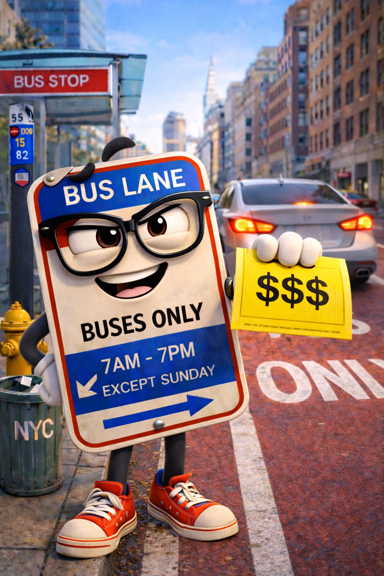
The rule stack drivers need to check
Before leaving a car, ask one simple question: what rule applies to this exact curb right now?
The answer usually depends on:
the sign closest to the vehicle
arrows showing where the sign applies
day and time windows
meter rules and payment hours
hydrants, bus stops, crosswalks, and loading zones
temporary signs for construction, moving, events, or utility work
holiday or Alternate Side Parking schedule changes
No Parking
No Parking signs usually mean you should not leave the vehicle parked during the active window. The exact meaning depends on the sign text, arrows, days, and hours. If the sign applies to your spot at the current time, treat it as active.
Start with the basics in No Parking NYC, then compare it with No Standing vs No Parking vs Loading.
No Standing
No Standing is easy to underestimate because it can look similar to No Parking. In practice, it is often more restrictive. Drivers should check whether the rule allows passenger activity, loading, or stopping only under specific conditions.
For more context, read No Standing NYC and Can I Stop Briefly Here in NYC?.
No Stopping
No Stopping is the warning sign. If the active rule says No Stopping, drivers should assume the curb is not available for parking, standing, loading, or quick stops during that window unless a specific posted exception applies.
Use No Stopping Anytime NYC when a block feels ambiguous.
Alternate Side Parking
Alternate Side Parking is tied to street cleaning and posted time windows. The rule can feel simple until a block has multiple signs, holiday assumptions, or a time window that starts after you walk away.
The evergreen hub is Alternate Side Parking NYC. For current-day context, use Alternate Side Parking NYC Today and Avoid Street Cleaning Tickets in NYC.
Meters
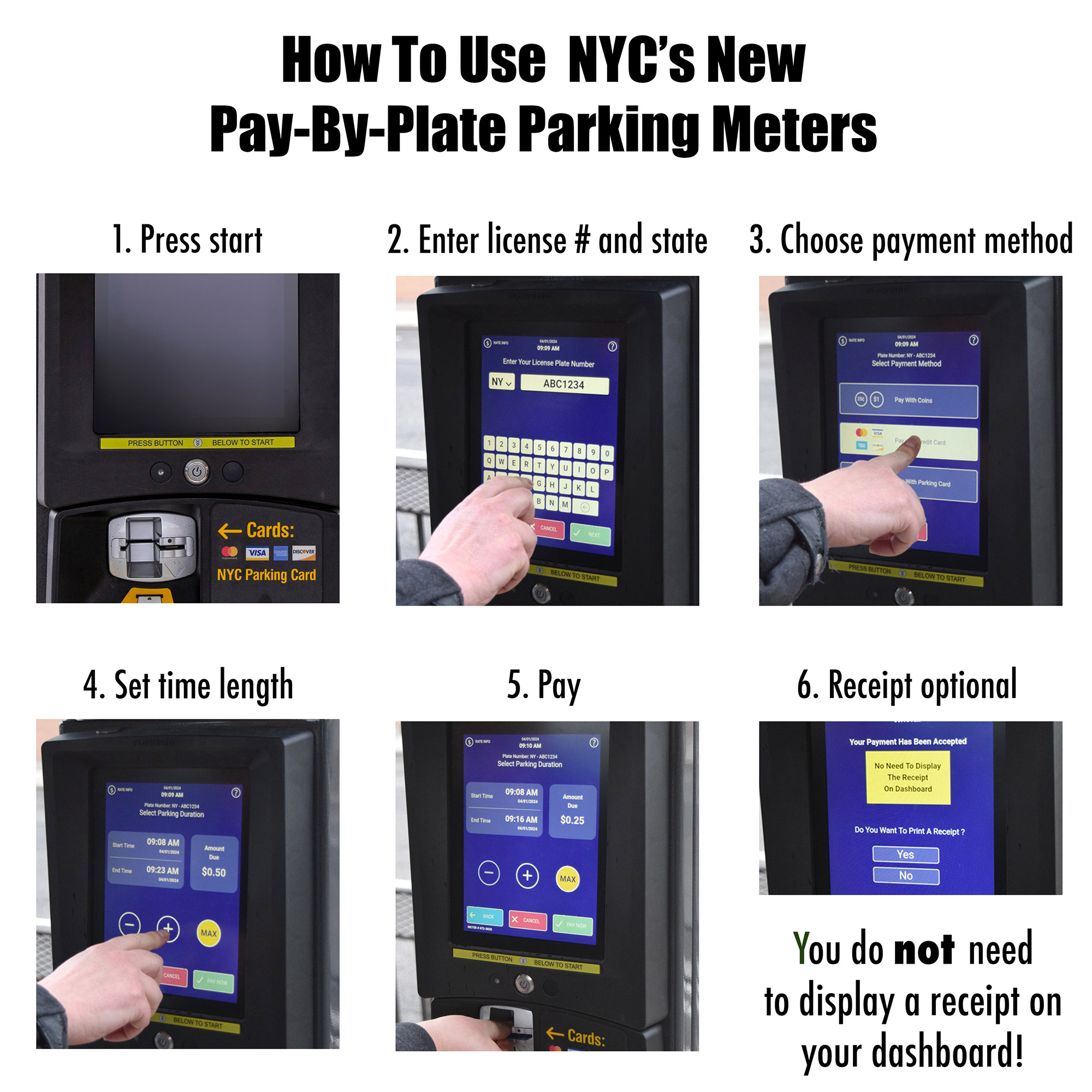
Meters are not just about payment. Drivers still need to check whether parking is allowed at that time, whether a meter is active, and whether a more restrictive sign overrides the meter.
Start with Find Parking Meters Near You, then use NYC Meter Rules Today and Are Parking Meters Free Today in NYC? for rule-specific questions.
Hydrants
Hydrant mistakes are expensive because the curb can look open while the space is still not usable. Do not rely only on whether other cars are parked nearby. Measure the risk before you leave.
Read NYC Fire Hydrant Parking Distance and Can I Park Near a Fire Hydrant?.
Loading zones
Loading zones can change by vehicle type, time, and permitted activity. Delivery, commercial, passenger pickup, and personal parking are not always treated the same way.
Start with NYC Loading Zone Rules, Curb Access: Loading vs Parking, and Delivery Driver Curb Rules in NYC.
Temporary signs
Temporary signs can override the normal pattern on a block. Construction, moving permits, film shoots, utility work, and events can all change what is safe at the curb.
Read Temporary No Parking Signs in NYC before assuming a taped sign does not matter.
Holidays
Holidays can affect street cleaning, meters, and enforcement patterns. The safest move is to check the rule for the exact day instead of relying on memory from a prior holiday.
Use NYC Holiday Parking Rules and Holiday Parking Chaos Survival Guide for seasonal context.
How CurbAI and Ticket Guard fit
CurbAI is for the moment before you park: signs, curb context, and the question drivers actually ask - can I park here right now?
Ticket Guard is for the moment after you park: rule changes, timing risk, and reminders before a block becomes a problem.
Use Spotlink before you park
Spotlink is built for practical curb decisions: read the rule, understand the risk, and stop guessing before you leave the car.
Download Spotlink and check the curb before the ticket risk starts.