If parking ever felt like a trap, it’s because it kind of is.
Drivers are expected to interpret dozens of signs, track changing time windows, remember exceptions, and predict enforcement — all before walking away from their car.
And when they get it wrong?
The ticket isn’t a warning. It’s a bill.
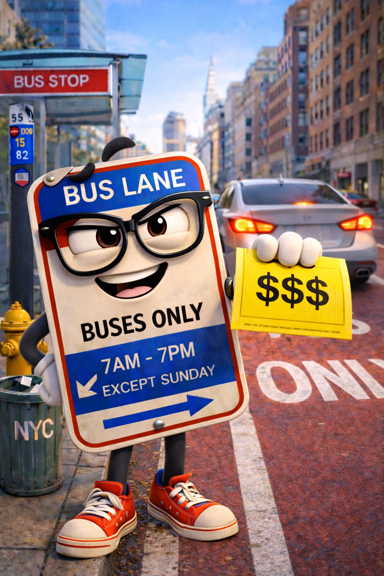
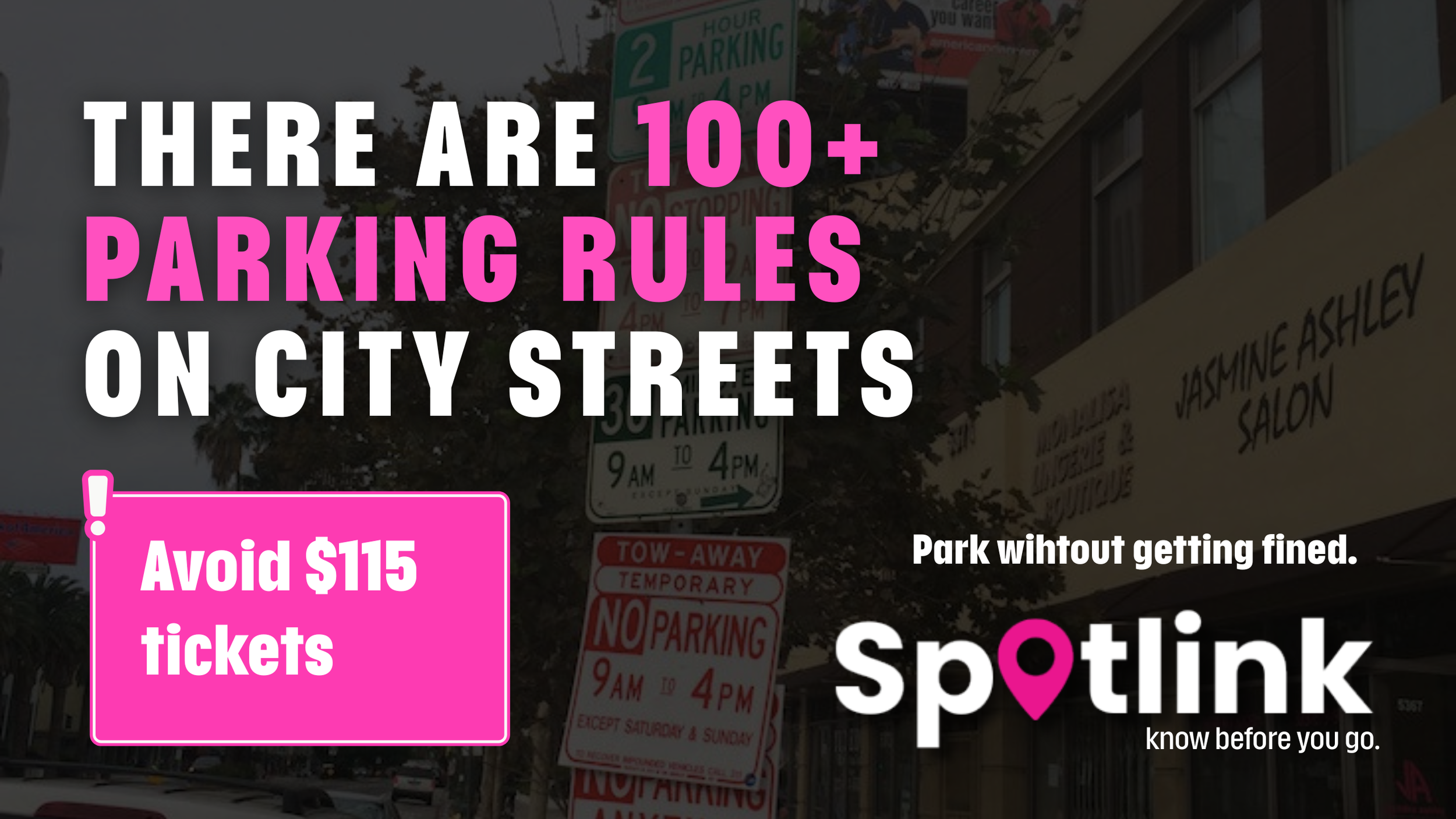
Over 100 Parking Rules? Yes — and That’s the Problem
There isn’t a single list of parking rules you can memorize.
Why? Because a “parking rule” is created every time these factors combine:
📍 Where you are (city, neighborhood, block, side of street)
⏰ When you park (hour, day, street-cleaning windows)
🚗 What you drive (private car, commercial, electric, handicap)
🚧 What’s happening (construction, events, emergencies)
➡️ How signs interact (arrows, overlaps, exceptions)
Once you combine those variables, cities like New York City easily exceed 100 enforceable parking rule variations.
That’s not exaggeration.
That’s why tickets are exploding.
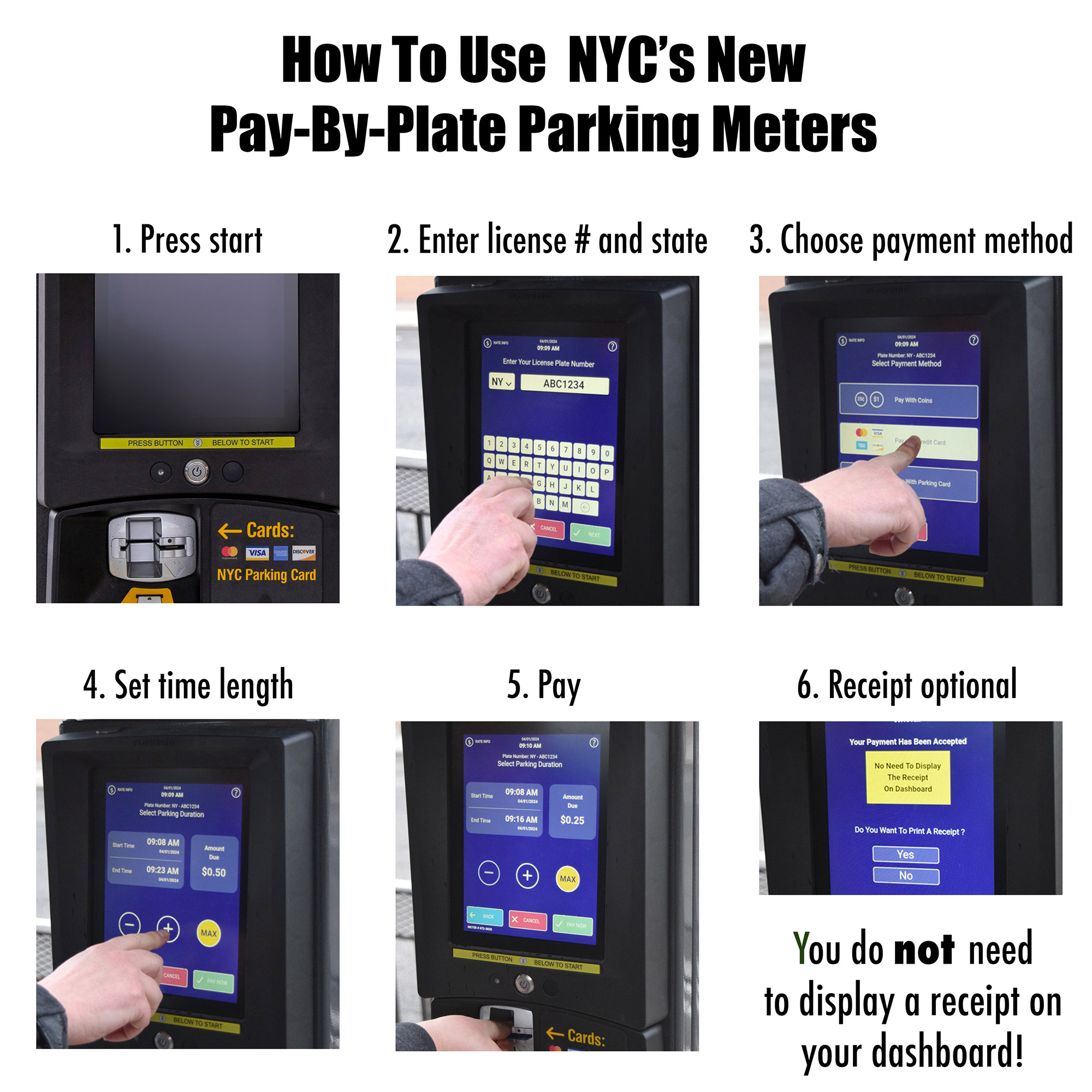
Tickets Are Rising — and Drivers Are Paying the Price
In New York City, enforcement has intensified dramatically.
Entire neighborhoods have become ticket hotspots, especially in parts of Queens, the Bronx, and dense Brooklyn corridors, where curb competition is brutal and signage is overloaded.
A single mistake can cost:
$65–$115 for common violations like street cleaning or permit zones
Hundreds of dollars for repeat or higher-risk violations
Thousands in extreme cases involving hydrants or safety access
Most drivers don’t realize how much risk they’re taking — until the ticket is already printed.
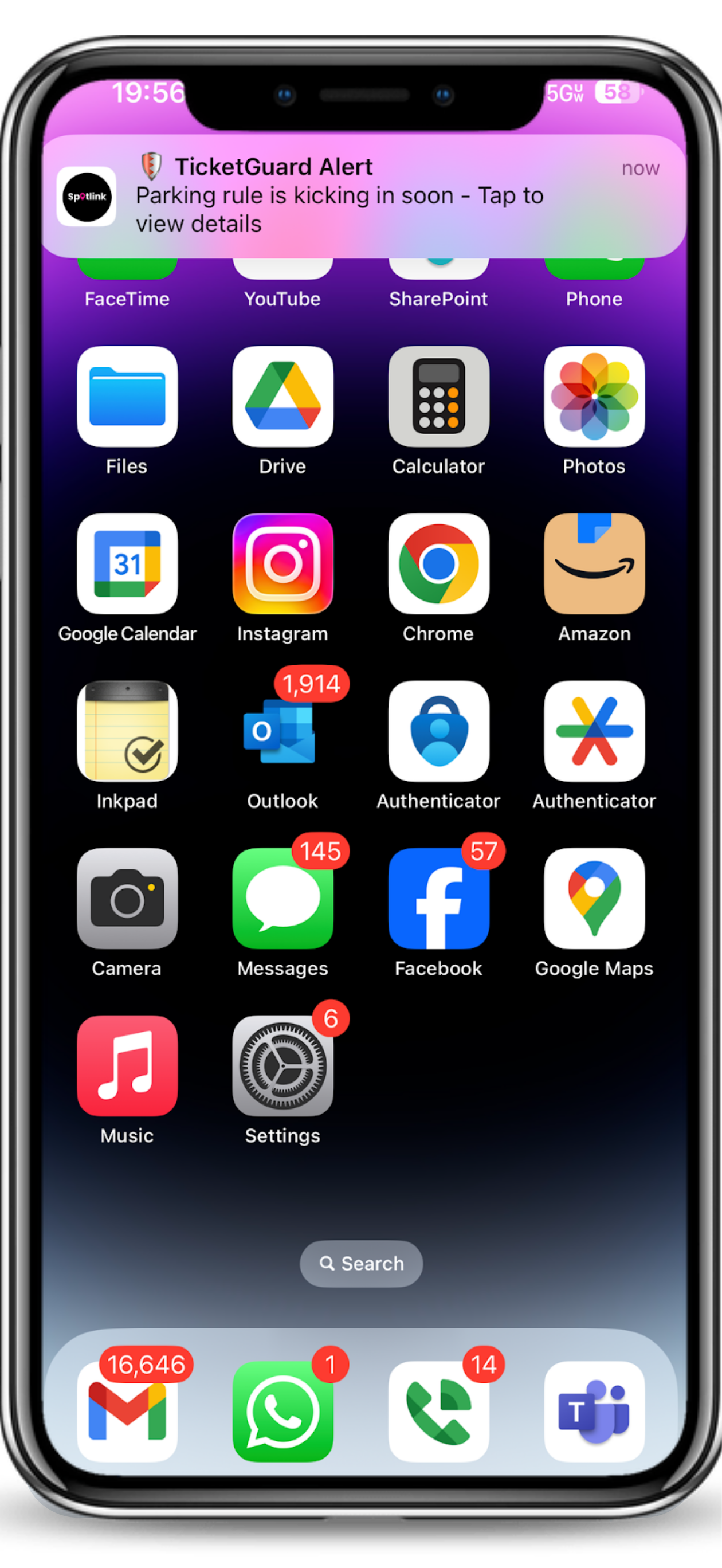
The Most Common Ways Drivers Get Ticketed
These are the rules people think they understand — and get wrong anyway:
Parking during street-cleaning hours
Misreading arrow directions on signs
Parking legally now… but illegally an hour later
Blocking hydrants or driveways by inches
Overstaying in loading or permit zones
Ignoring temporary “No Parking” signs
None of these feel reckless.
They feel normal — until enforcement starts.
Why Memorizing Rules Doesn’t Work
Parking enforcement is reactive.
Drivers are expected to be predictive.
Rules change:
by the hour
by the day
while you’re already gone
No human can reliably track that.
That’s why parking tickets feel random — even when they’re technically “legal.”
The Only Question That Actually Matters
Forget learning 100 rules.
The real question is:
Can I park here right now — and will this rule change while I’m gone?
If you don’t know the answer to that, you’re gambling with a $115 fine.
How Drivers Avoid Tickets Now
Instead of guessing, drivers use real-time parking awareness.
That means:
seeing which rule applies right now
getting alerts before enforcement starts
knowing when a legal spot is about to become illegal
Tools like Ticket Guard™ exist for exactly this reason:
to warn you before a rule change becomes a ticket.
You don’t need to memorize rules.
You need to stay informed.
🛒 Recommended Driver Gear
Common Mistakes That Get People Fined
Reading only one sign
Ignoring arrows
Forgetting temporary rules
Assuming “everyone else parked here, so it’s fine”
Parking right before a rule change
Trusting memory instead of current conditions
Tickets aren’t random. They repeat where confusion repeats.
How Drivers Actually Avoid Getting Fined
The only strategy that works consistently is knowing:
What applies right now
What changed today
What other drivers just experienced on that block
Static signs can’t do that. Guessing definitely can’t.
That’s why tools that show real-time curb rules and alerts matter.
Tools That Help Before You Park
Spotlink
Check curb conditions before you stop.CurbAI
Understand parking signs and rules in context.Ticket Guard
Get alerts when rules change so you don’t learn the hard way.
These exist to answer the question signs don’t.
Frequently Asked Questions About Parking Rules
How many parking rules are there in a city like New York City?
There isn’t a fixed number.
In cities like New York City, there are well over 100 parking rule combinations once you account for:
time of day
day of the week
street cleaning schedules
permit zones
vehicle type
temporary restrictions
overlapping signs and arrows
In practice, each block can have different rules depending on the hour.
That’s why memorizing parking rules doesn’t work.
What is the most common parking ticket in NYC?
The most common parking tickets come from:
parking during street cleaning
misreading sign arrows
staying past a time limit
parking legally at one moment but illegally later
Many drivers park legally — and still get ticketed because the rule changes while they’re away.
How much is a parking ticket in NYC?
Most common parking violations cost between $65 and $115, depending on the rule and location.
More serious violations — such as blocking fire hydrants, bus lanes, or safety access — can cost hundreds or even thousands of dollars, especially with repeat offenses.
Why are parking signs so confusing?
Parking signs are confusing because they are:
stacked on the same pole
written for enforcement, not drivers
full of exceptions and directional arrows
often contradictory at first glance
Each sign may be correct on its own — but interpreting how they interact is the hard part.
Do parking rules really change while my car is parked?
Yes. All the time.
Rules commonly change due to:
street cleaning windows
rush hour restrictions
loading zone hours
temporary construction rules
holiday or emergency regulations
That’s one of the main reasons drivers get ticketed even when they park “carefully”.
Is there a way to know if I’m safe before I leave my car?
Yes — but it requires real-time information, not static maps or memory.
Drivers who avoid tickets usually:
check which rule applies right now
know when enforcement starts
get alerts before a rule changes
This is exactly what Ticket Guard™ is designed to do.
Do I need to learn all parking rules to avoid tickets?
No.
Trying to memorize parking rules is unrealistic in modern cities.
The safer approach is to know which rule applies at the moment you park and whether that will change while you’re gone.
That’s navigation, not memorization.
Why do parking tickets feel unfair?
Because the system is reactive.
Enforcement doesn’t warn you — it penalizes you after the rule changes or a mistake is detected.
Without real-time context, drivers are always one step behind.
Still Unsure? That’s the Point.
If parking rules were simple, this page wouldn’t need to exist.
The reason tickets keep rising is not because drivers are careless —
it’s because the rules are too dynamic for humans to track manually.
👉 Tap to install Spotlink and enable Ticket Guard™
So you know before enforcement starts — not after.
Bottom Line
There are over 100 parking rule combinations on city streets — and more every year.
That’s why:
tickets keep rising
drivers keep losing money
“I didn’t know” is the most common last thought before a fine
The safer approach is simple:
Always know the rule that applies right now.
Ask Before You Park
Avoid surprise tickets.
Avoid $115 mistakes.
👉 Turn On Ticket Guard™
So you know when you’re safe — and when you’re not.
👉 Ask Before You Park
FAQ
Can Spotlink tell me if parking is legal right now?
Spotlink helps drivers understand curb and parking conditions faster, but drivers should always confirm posted signs and local rules before leaving a vehicle.
Can Spotlink help reduce parking tickets?
Spotlink is designed to reduce uncertainty by helping drivers check curb rules, timing, and ticket-risk situations before they park.
Driver check before parking
What it means
The practical question is whether the curb rule, timing, and street context still allow the driver to stop, wait, or park at that exact moment.
When the rule applies
Check the posted days and hours, the side of the street controlled by the sign, and whether a temporary notice or nearby restriction changes the normal rule.
Common mistake
The common mistake is trusting memory, another parked car, or a quick errand instead of reading the current block conditions.
Quick rule
If the sign, arrow, time window, or curb context is unclear, treat the space as risky until you verify the rule.
What to check
The exact sign and arrow that control the space.
The day, hour, vehicle type, and whether stopping, standing, loading, or parking is allowed.
Hydrants, bus stops, driveways, loading zones, meters, bike lanes, and temporary notices nearby.