
Most NYC parking tickets do not happen because a driver tried to ignore the rules. They happen because the rules are layered, time-sensitive, and easy to misread when you are trying to park quickly.
This guide focuses on prevention. It does not promise that any app, checklist, or habit can guarantee a ticket-free outcome. It gives you a better way to check the curb before and after you park.
Why NYC drivers get parking tickets
Common causes repeat across blocks:
reading one sign but missing the sign above or below it
ignoring arrows that define where the rule applies
parking before a time window changes
forgetting street cleaning or Alternate Side Parking
parking too close to a hydrant
assuming a meter means the curb is always legal
missing temporary signs for construction, moving, events, or utility work
trusting what other parked cars are doing
For the bigger pattern, read How to Park Without Getting Fined and I Parked Legally. I Still Got a Ticket.
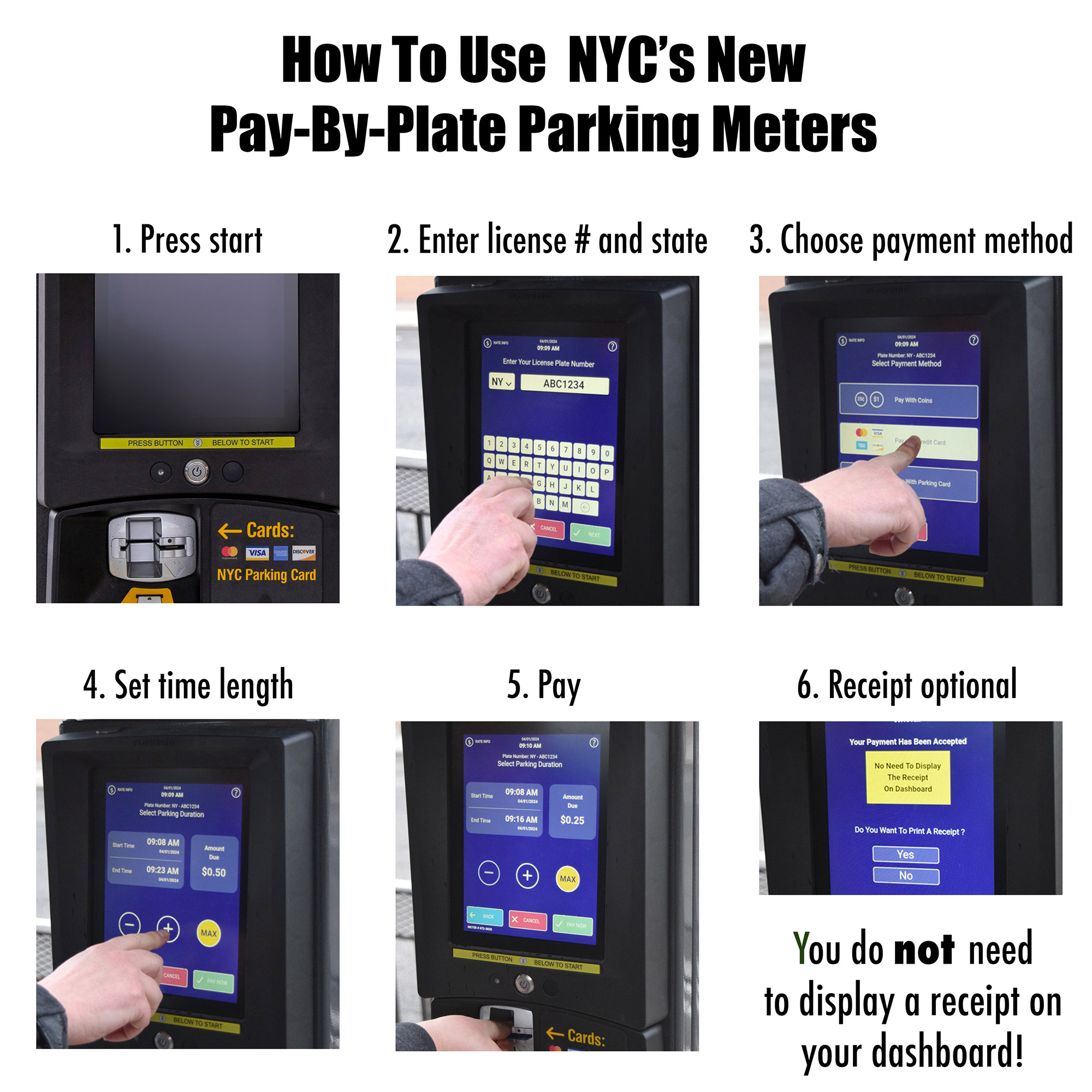
Use CurbAI before parking
CurbAI helps drivers think through the posted rule before they leave the vehicle. The goal is not to memorize every parking rule. The goal is to understand the curb condition in front of you.
Use it when the block has stacked signs, arrows, No Standing language, loading rules, or a time window that changes soon.
Use Ticket Guard after parking
Ticket Guard is built for the period after you park, when a rule change can turn a safe-looking spot into a risk. That matters for street cleaning, meters, temporary restrictions, and blocks with tight time windows.
The safest workflow is simple: use CurbAI before parking, then use Ticket Guard to stay aware after parking.
Read signs as a system
Do not read only the closest line of text. Read the whole sign stack. Look for:
No Parking, No Standing, or No Stopping language
arrows pointing left, right, or both directions
days of the week
start and end times
vehicle type or permit restrictions
loading or passenger pickup language
Useful follow-ups: How to read parking signs, NYC parking sign arrows explained, and No Standing vs No Parking vs Loading.
Check time windows twice
A spot can be legal now and risky later. Before you walk away, check the current time, the next rule change, and how long you expect to leave the car.
This is where many tickets happen: the driver parked correctly for the current minute, but the block changed while the car stayed there.
Street cleaning and Alternate Side Parking
Street cleaning rules are one of the most common sources of ticket anxiety because they combine day, time, side of street, and schedule assumptions.
Use Alternate Side Parking NYC, Alternate Side Parking NYC Today, and Avoid Street Cleaning Tickets in NYC for more focused context.
Hydrants
If a hydrant is nearby, slow down. The curb can look open while the space is still not usable. Other cars are not proof that the space is safe.
Read NYC Fire Hydrant Parking Distance and Can I Park Near a Fire Hydrant?.
Meters
Paying a meter does not automatically solve every rule on the block. Drivers still need to check whether parking is allowed during that time, whether another sign is more restrictive, and when the meter window changes.
Related guide: NYC Meter Rules Today.
Temporary signs
Temporary signs are easy to distrust because some look messy. That does not make them safe to ignore. Moving, construction, filming, events, and utility work can all change the normal curb rule.
Read Temporary No Parking Signs in NYC before assuming a temporary sign is not real.
Confusing blocks
Some blocks are ticket-prone because the signs are stacked, the arrows are awkward, the curb use changes by hour, or the block has a mix of passenger, commercial, and cleaning rules.
When a block feels confusing, the better move is not confidence. It is verification.
Use Spotlink to reduce guesswork
Spotlink is built around one driver problem: knowing before you leave the car. Use CurbAI to understand the curb and Ticket Guard to stay aware after you park.
Download Spotlink and check the curb before a small mistake becomes an expensive one.