Something fundamental is changing on New York City streets — and it’s happening faster than most drivers realize.
There was no single announcement.
No new law everyone remembers.
No dramatic “parking crackdown” headline.
Yet behavior at the curb is already shifting.
Drivers are changing how they decide to stop, wait, or park — not because they want to experiment, but because the curb itself is becoming time-based and tech-aware.
And drivers who don’t adapt are already feeling it.
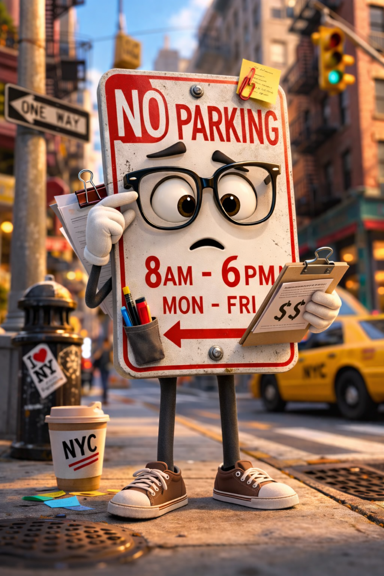
Parking in NYC Is No Longer About Where — It’s About When
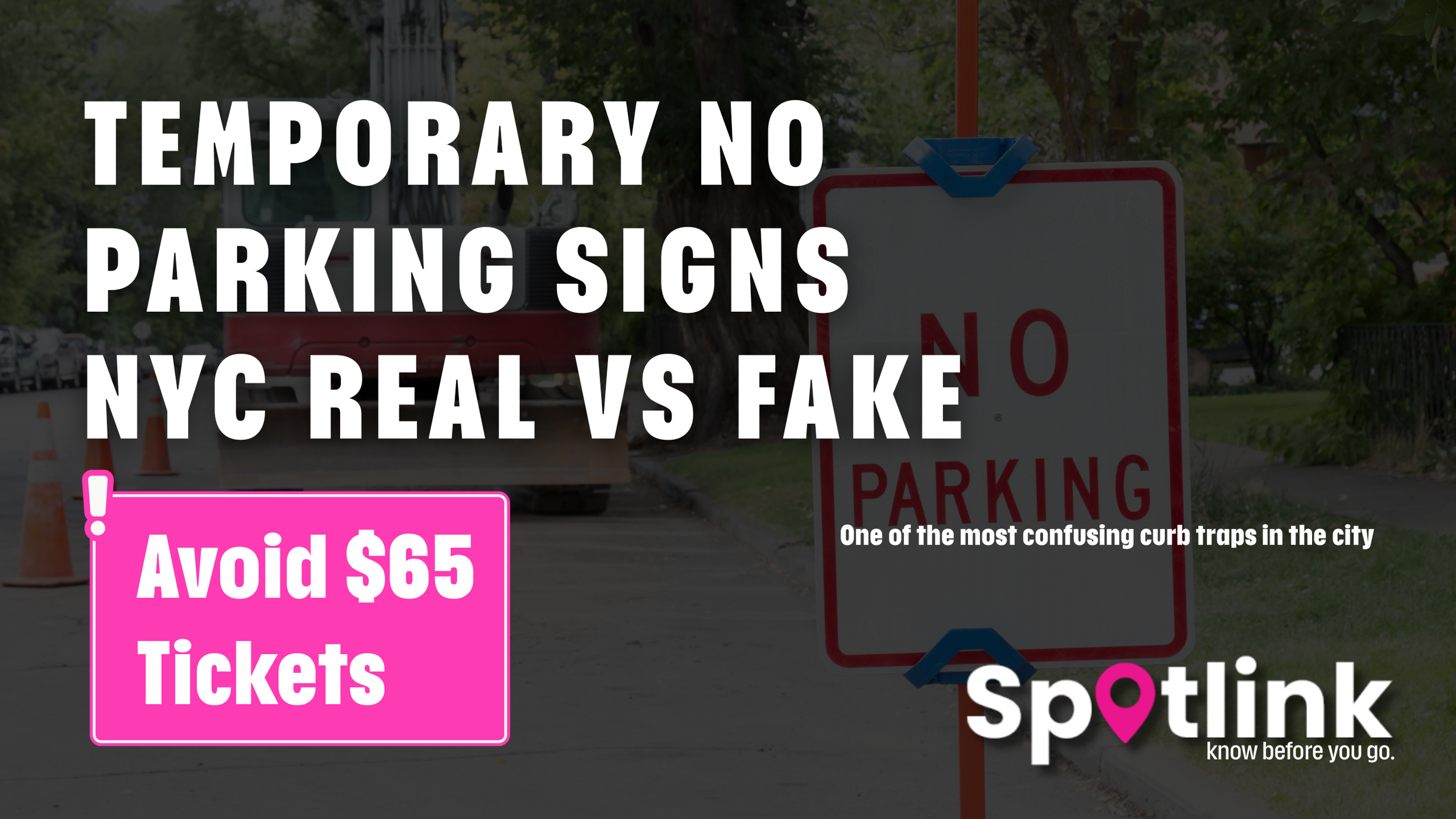
Temporary signs create confusion because they don’t replace the street — they add another rule.
Most tickets happen when:
a temporary sign conflicts with permanent parking rules
multiple signs apply to the same section of curb
the sign looks unofficial, so drivers ignore it
the timing or arrows are misread
NYC doesn’t require temporary signs to look pretty — only enforceable.
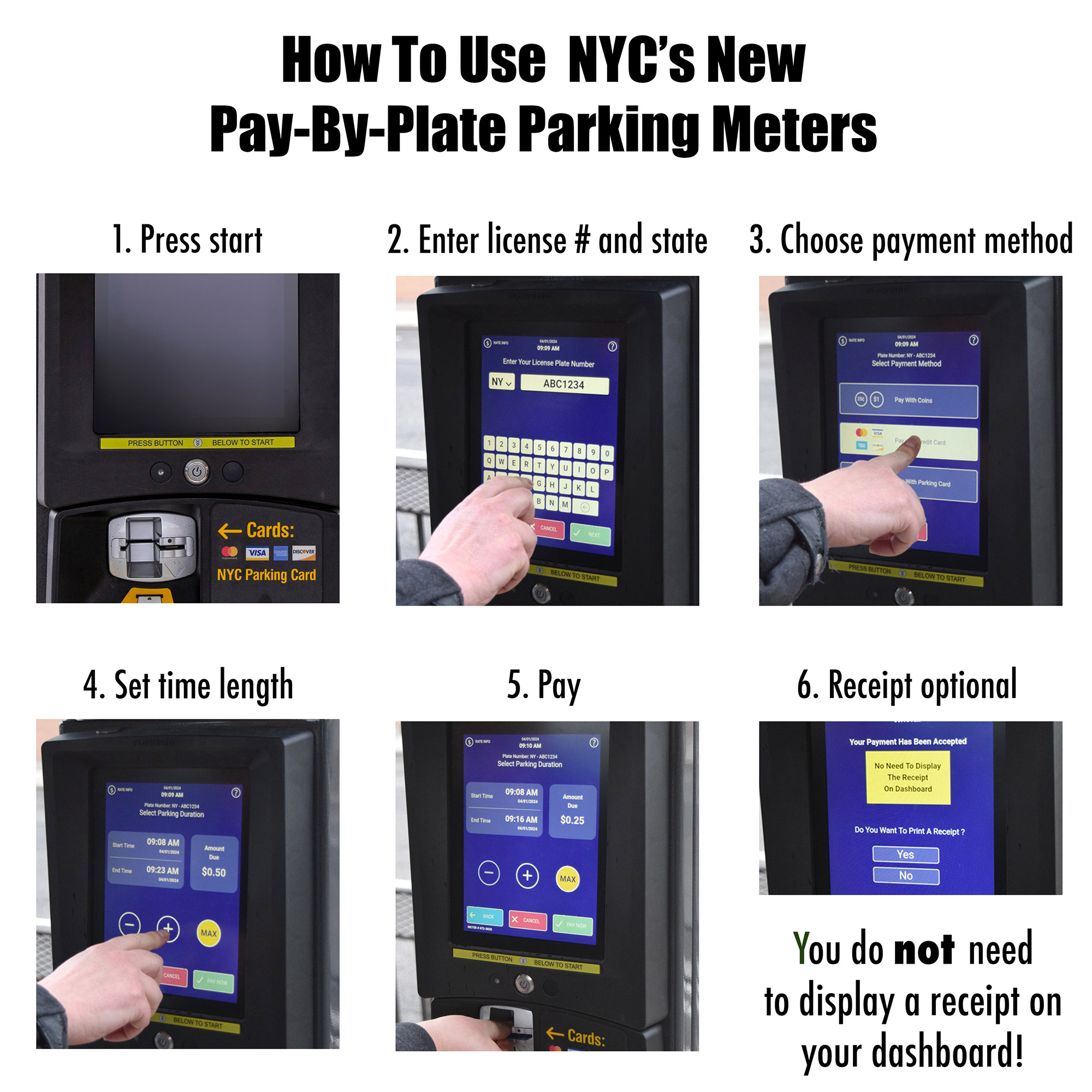
How to tell if a temporary no parking sign is enforceable
Here’s the part most drivers get wrong.
Things that do NOT make a sign invalid
It’s taped to a pole
It’s printed on paper or laminated
It looks crooked or cheap
It’s placed above or below permanent signs
If it clearly states a restriction, date, and time, it can be enforced — even if it looks unofficial.
Red flags that should make you hesitate
These don’t automatically mean the sign is invalid, but they increase risk:
No date or time window
Vague wording like “NO PARKING HERE”
Conflicting arrows pointing different directions
Multiple temporary signs saying different things
No reference to a city agency, utility, or event
When signs conflict, the strictest rule usually wins.
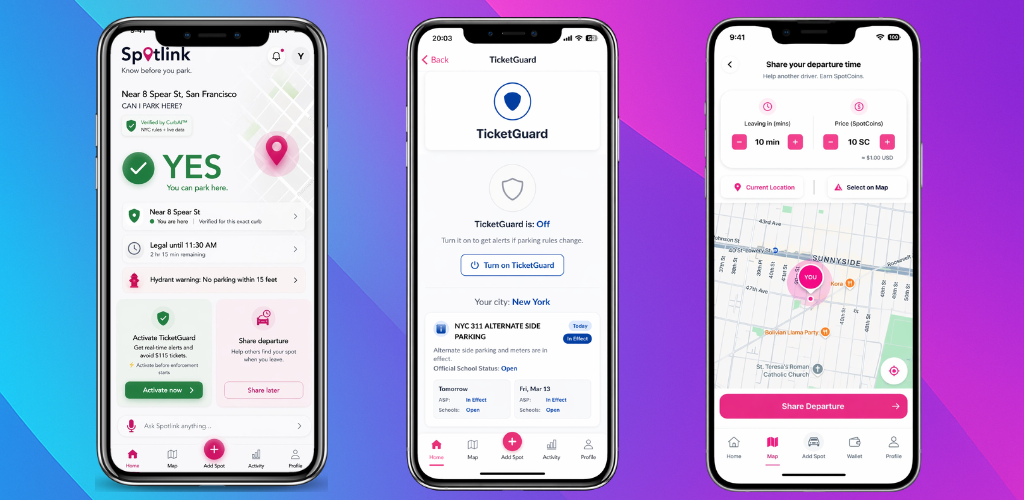
The stacked sign trap (where most drivers lose)
Temporary signs don’t erase permanent ones — they stack.
That means:
Arrows apply vertically, not just to the sign they’re on
Time windows layer together
“No Standing” overrides “Parking Allowed”
One bad sign anywhere in the stack can ticket the whole section
This is why drivers read one sign, feel confident, and still get hit.
What to do if you’re unsure (the 30-second curb rule)
When you’re standing at the curb, don’t overthink it. Ask one question:
How long am I leaving the car?
2–5 minutes: standing vs parking matters
30–90 minutes: time windows + arrows matter
Leaving the car: guessing is the most expensive option
If anything feels unclear, verify the rule before committing — not after the ticket prints.
🛒 Recommended Driver Gear
Common questions drivers ask at the curb
Can they ticket me if the sign is half torn?
Yes. Condition doesn’t matter if the restriction is readable.
Do temporary signs override street cleaning?
They don’t cancel it — whichever rule is more restrictive applies.
Do signs need to be posted 24 or 48 hours in advance?
Sometimes, but enforcement doesn’t always wait.
What if the sign appeared after I parked?
It happens — and it’s one of the hardest tickets to fight.
The safest move when signs feel unclear
Temporary signs exist because the street is changing. That’s exactly when guessing fails.
Before you commit, double-check the rule for that exact street, right now, and avoid learning the hard way.
The Bottom Line
NYC parking is changing faster than drivers think.
The advantage now isn’t experience — it’s awareness at the right moment.
If you drive in New York City, this shift is already affecting you.
Ask Before You Park.
Ready to stop guessing?
You don’t need more apps.
You need better signals.
Spotlink helps people understand what’s happening on the street — and lets everyday driving moments add up.
👉 Try Spotlink
👉 Ask Before You Park
FAQ
Can Spotlink tell me if parking is legal right now?
Spotlink helps drivers understand curb and parking conditions faster, but drivers should always confirm posted signs and local rules before leaving a vehicle.
Can Spotlink help reduce parking tickets?
Spotlink is designed to reduce uncertainty by helping drivers check curb rules, timing, and ticket-risk situations before they park.
Check before you park
Before you leave your car, use Spotlink to check curb rules, timing, and ticket-risk situations in NYC.
Explore CurbAI, Ticket Guard, or start from the Spotlink homepage.