
NYC Parking Fines and Common Violations
NYC parking fines add up fast. One small mistake — misreading a sign, missing a time window, or assuming a rule doesn’t apply — can turn into a costly ticket.
This guide explains the most common NYC parking violations, why fines vary, and how to reduce your chances of getting ticketed.
Quick Answer
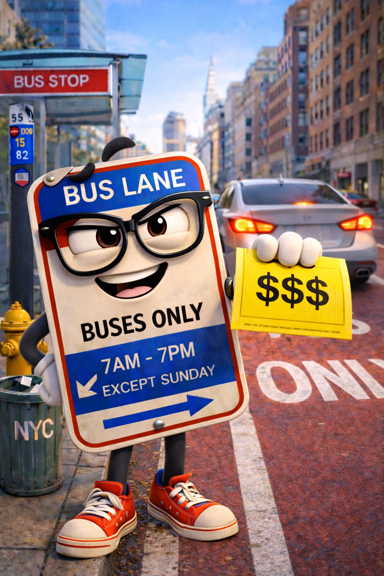
NYC parking fines depend on the type of violation, location, and enforcement priority. Safety-related violations like hydrants, bus lanes, bike lanes, and No Standing zones usually carry higher fines than meter or time-based violations.
Why NYC Parking Fines Feel Random
NYC parking enforcement is rule-based, not luck-based. What feels random is usually the result of:
Multiple rules applying to the same curb
Time-based enforcement windows
Different fines for similar-looking violations
Location-based enforcement priorities
Two drivers can park the same way on different blocks and receive very different fines.
Common NYC Parking Violations and Fines
Fines can change, but these are some of the most common categories:
No Standing / No Stopping
Blocking traffic lanes
Stopping during rush-hour restrictions
Stopping in bus lanes
Fire Hydrant Violations
Parking too close to a hydrant
Blocking emergency access
Street Cleaning / Alternate Side Parking
Failing to move during cleaning hours
Misreading cleaning schedules
Meter Violations
Expired meter
Unpaid meter during enforcement hours
Exceeding posted time limits
Bike Lane and Bus Lane Violations
Stopping or parking in restricted lanes
Blocking designated travel lanes
Loading Zone Violations
Using the wrong vehicle type
Waiting instead of loading
Stopping outside allowed hours
Why Some Parking Fines Are Higher Than Others
NYC assigns higher fines to violations that:
Block traffic flow
Create safety hazards
Disrupt public transportation
Limit emergency access
Violations near schools, busy corridors, or transit routes are often enforced more aggressively.
How Drivers End Up Paying More Than the Ticket
The fine itself is often just the beginning. Additional costs can include:
Late fees if payment is missed
Booting or towing
Time lost disputing tickets
Increased insurance risk (indirectly)
How to Reduce Your Risk of Getting Fined
Step 1: Always Check Fixed No-Parking Zones
Hydrants, bike lanes, bus stops, corners, and driveways are always high-risk.
Step 2: Read Every Sign on the Pole
One missed sign is the most common cause of fines.
Step 3: Match the Rule to the Exact Time
A legal spot now can become illegal later the same day.
Step 4: Don’t Assume Holidays or Weekends Are Free
Many fines happen because drivers assume enforcement is suspended.
Step 5: Avoid “Just for a Minute” Stops
Short stops in restricted zones are still violations.
Want Fewer Parking Fines?
NYC parking fines are predictable once you understand the patterns — but reading signs every time is exhausting.
CurbAI™ helps interpret complex parking signs and curb rules so you don’t have to guess.
Ticket Guard™ helps alert drivers before time-based rules begin, reducing surprise tickets.
Real-world guides help you learn the patterns drivers miss most often.
Final Thoughts
NYC parking fines aren’t random — they follow clear enforcement patterns. The more you understand which rules carry the highest risk, the easier it is to avoid expensive mistakes.
If a curb feels uncertain, it’s usually safer to keep looking than to risk a fine.
Ask Spotlink Before You Park
Use Spotlink to check parking signs, hydrants, street cleaning, and timing before leaving your car. For time-sensitive curb rules, review TicketGuard guidance before parking.
FAQ
What is the most expensive parking ticket in NYC?
Violations involving safety and traffic flow — such as hydrants, bus lanes, and No Standing zones — typically carry the highest fines.
Do parking fines vary by neighborhood?
Yes. Enforcement intensity and fine amounts can vary depending on location and congestion.
Can parking fines increase if I don’t pay?
Yes. Late fees, booting, and towing can significantly increase the total cost.
Are parking fines higher during rush hours?
Often yes. Rush-hour violations are enforced more aggressively.
Is it worth disputing a parking ticket?
It depends on the situation, evidence, and violation type.