
Urban Mobility in NYC
Urban mobility in NYC is about one core question: how do you move, stop, park, load, or transfer safely and legally right now?
Whether you’re driving, picking someone up, delivering goods, or switching to transit or micromobility, the curb is where most friction happens. Rules change by block, time of day, and vehicle type — and confusion leads to tickets, congestion, and stress.
Quick Answer
Urban mobility in NYC depends on real-time curb rules. Knowing what you can do at a specific curb — park, stop briefly, load, or wait — requires understanding signs, time-based regulations, and live street conditions.
CurbAI™ helps interpret complex parking signs and curb rules so you don’t have to guess.
Ticket Guard™ helps alert drivers before time-based rules begin, reducing surprise tickets.
Real-time driver signals help reveal what’s changing on the street.
Why Urban Mobility Is Confusing in NYC
New York City streets are among the most complex mobility environments in the world.
On a single block, rules may govern:
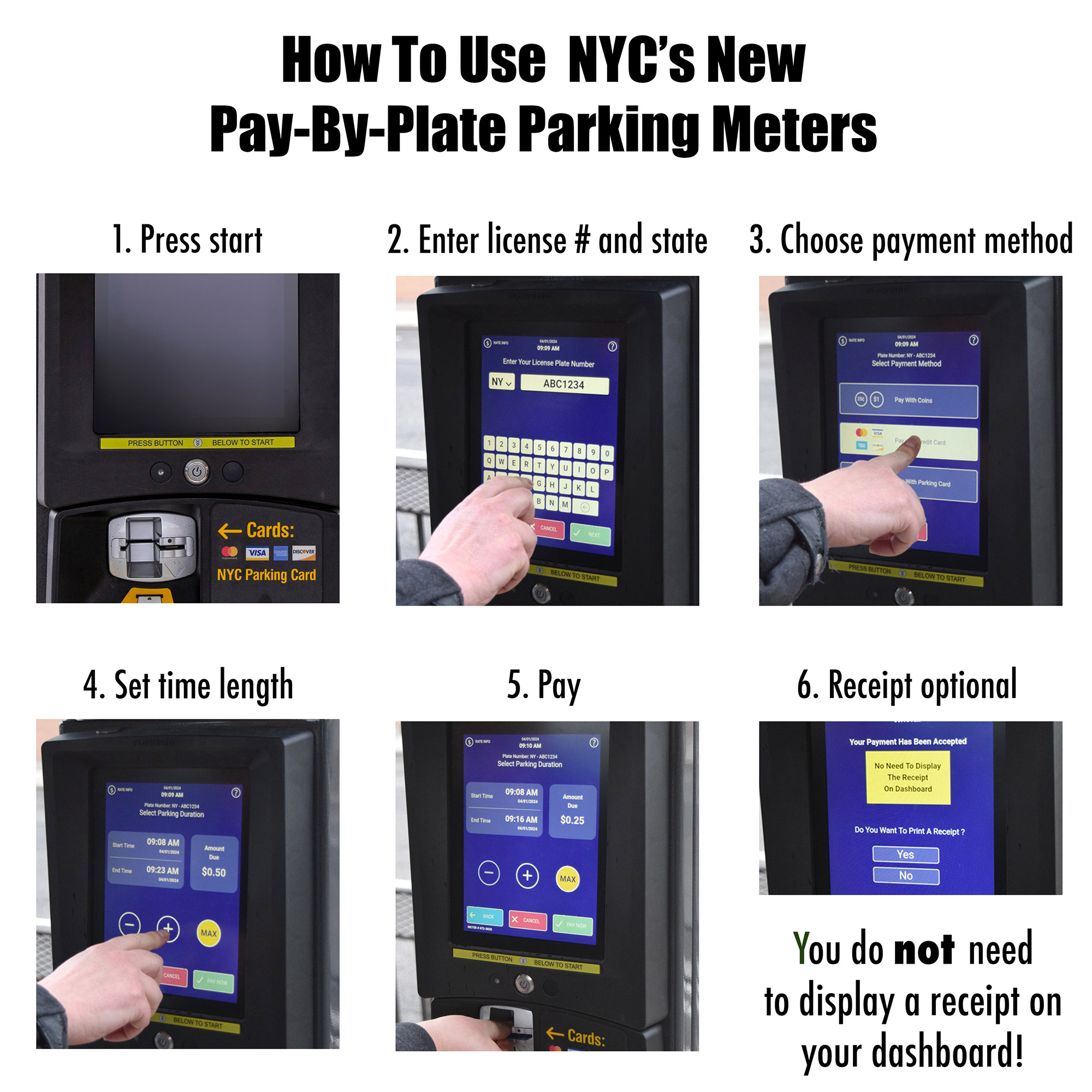
Street parking and meters
Loading zones and delivery access
Passenger pickup and drop-off
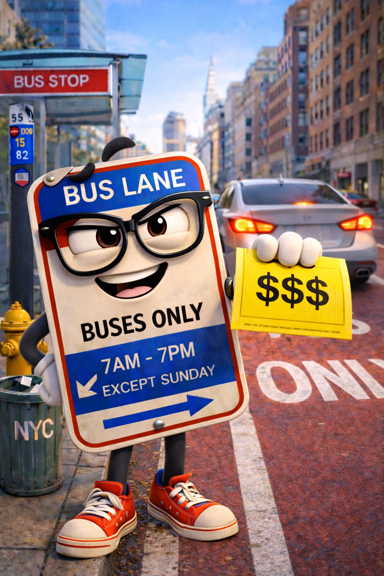
Bike lanes and bus lanes
Time-based restrictions like street cleaning
Most rules are enforced by time, direction, vehicle type, or curb designation — not intuition. That’s why even experienced drivers get tickets.
Urban Mobility Starts at the Curb
The curb is where mobility decisions converge.
Drivers ask:
Can I park here?
Can I stop briefly?
Can I load or unload?
Ride-hail drivers ask:
Can I pick up here without blocking traffic?
Is this a legal drop-off zone?
Delivery workers ask:
Can I stage here without double-parking?
Is this a loading or microhub zone?
Urban mobility fails when these questions don’t have fast, clear answers.
Step-by-Step: How to Move Legally in NYC
1. Identify the curb use
Is this curb meant for parking, loading, passenger pickup, transit priority, or micromobility? The answer determines everything that follows.
2. Read all posted signs
NYC signs often stack rules together. Directional arrows, time windows, and vehicle restrictions all matter.
3. Check time-based enforcement
Many legal actions become violations when a rule window begins. This is where drivers get caught most often.
4. Watch for live street conditions
Construction, temporary rules, and real driver movement change curb availability constantly.
5. Act calmly with clarity
Urban mobility improves when drivers plan instead of reacting.
How Spotlink Supports Urban Mobility
Spotlink is built around real-world mobility decisions — not static maps.
CurbAI™ interprets signs, arrows, and curb rules in context.
Ticket Guard™ alerts drivers before enforcement windows begin.
Driver-powered signals show what’s changing on the street in real time.
Together, these tools reduce guesswork across parking, loading, and stopping.
Common Urban Mobility Mistakes
Assuming “empty curb” means legal use
Confusing no standing, no parking, and loading rules
Ignoring time-of-day enforcement
Blocking bike or bus lanes during brief stops
Relying on outdated or static maps
Curb rules also include fixed restrictions like fire hydrants, which affect where stopping or parking is allowed regardless of time. Why Urban Mobility Affects Everyone Urban mobility isn’t just about convenience.
When curb rules are misunderstood:
Traffic congestion increases
Transit slows down
Safety risks rise
Emissions increase
Clear, real-time decision-making benefits drivers, pedestrians, delivery workers, and cities as a whole.
Urban Mobility Is a Timing Problem
Most curb conflicts happen because people act too late or without clarity.
Urban mobility improves when drivers know:
What they can do
Where they can do it
When it’s allowed
That’s a timing problem — and timing can be solved with the right information.
Final Thoughts
Urban mobility in NYC depends on understanding curb rules in real time.
Spotlink helps turn complex, fast-changing street rules into clear, actionable decisions — so people can move, park, load, and stop with confidence.
FAQ
What does urban mobility mean in NYC?
Urban mobility in NYC refers to how people and goods move, stop, park, load, and transfer safely and legally within city streets.
Why are curb rules so important to urban mobility?
The curb is shared by drivers, delivery vehicles, transit, and micromobility. Clear curb rules prevent congestion and unsafe behavior.
Is urban mobility only about cars?
No. Urban mobility includes ride-hail, delivery vehicles, bikes, scooters, transit, and pedestrians.
How do drivers avoid tickets while moving through the city?
By understanding curb rules, time-based enforcement, and real-time street conditions.
How does Spotlink support urban mobility?
Spotlink combines rule interpretation, alerts, and real-time driver signals to reduce confusion and improve curb decision-making.