
Driver-Powered Urban Mobility
Driver-powered urban mobility means city movement systems that improve in real time using signals from drivers — not just fixed infrastructure or delayed data.
In NYC, where curb rules change block by block and traffic conditions shift minute by minute, driver-powered mobility helps answer the question people actually care about:
“What can I legally do here right now — and what’s about to change?”
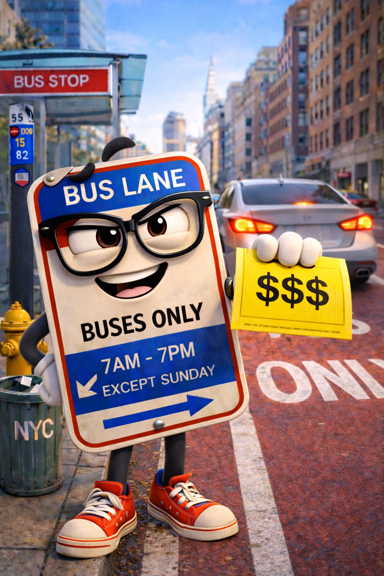
Quick Answer
Driver-powered urban mobility is mobility intelligence built from real driver behavior. When drivers share small, time-limited signals (like “I’m leaving” or “this curb use is changing”), everyone gets faster, safer decisions — with less circling and less curb conflict.
CurbAI™ helps interpret complex parking signs and curb rules so you don’t have to guess.
Ticket Guard™ helps alert drivers before time-based rules begin, reducing surprise tickets.
Driver-powered signals help show when curb conditions are changing in real time.
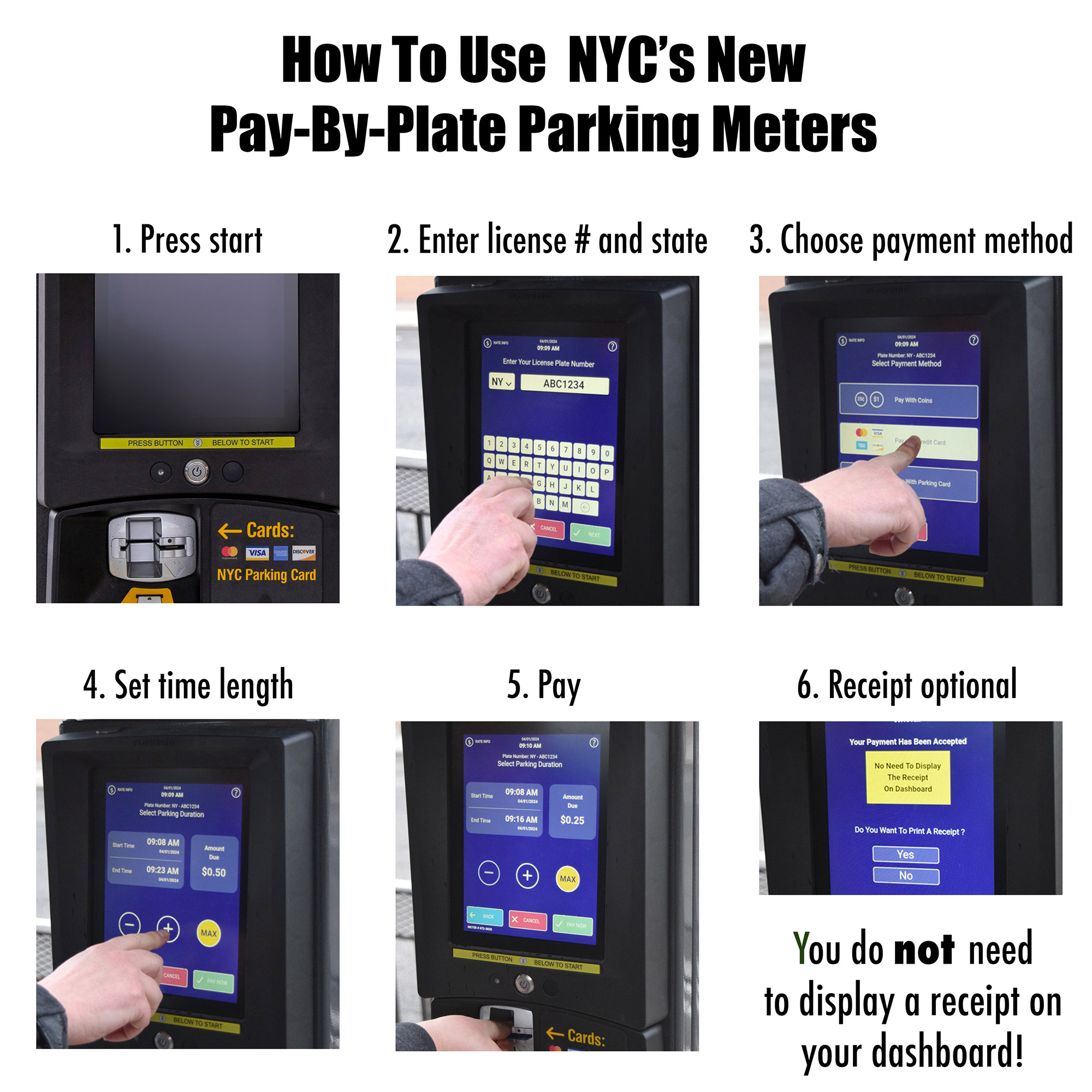
Why Urban Mobility Feels Hard in NYC
NYC urban mobility is not just “traffic.” It’s the interaction of curb space, time-based rules, deliveries, pickups, bike lanes, transit lanes, and unpredictable street conditions.
Most frustration comes from uncertainty:
Where can I stop or park legally right now?
Is this curb for loading, pickup, or parking?
Will this become illegal in 10 minutes because of street cleaning or restrictions?
Is a spot about to open, or am I already too late?
When people lack real-time clarity, they circle, double-park, block lanes, and make rushed decisions — which makes the whole network worse.
What “Driver-Powered” Actually Means
Driver-powered systems work because drivers are already producing the most accurate mobility data — they’re on the street.
Driver-powered signals are small, real-world actions like:
Sharing that you’re about to leave a street parking spot
Checking curb rules before committing to a space
Responding to alerts before time-based restrictions begin
Each signal is simple. Together, they create live mobility intelligence that reflects reality.
Step-by-Step Decision Logic
Driver-powered urban mobility improves outcomes because it supports the exact decisions drivers make in the moment.
1) Determine what the curb is for
Is this curb meant for general parking, loading, pickup/drop-off, transit priority, or a restricted zone? This is the foundation.
2) Confirm whether rules change by time
Many NYC restrictions are active only during specific hours. Knowing the next change matters as much as knowing the current status.
3) Evaluate risk zones that override signs
Hydrants, corners, crosswalks, driveways, bus stops, and protected lane areas can remain restricted regardless of nearby signage.
4) Use real-time signals to reduce uncertainty
Live signals (like “a driver is leaving”) reduce circling and prevent last-second maneuvers that block traffic.
5) Choose the lowest-conflict action
Even if something is technically possible, a lower-conflict alternative may reduce risk and improve safety (for example, choosing a legal curb space rather than stopping in a lane).
Why Driver-Powered Mobility Reduces Circling
Circling is what happens when drivers have no visibility.
Driver-powered signals reduce circling because they provide:
Early awareness of opportunities (before a spot opens)
Less random searching
More predictable decisions
Fewer abrupt turns and lane blocks
When fewer cars circle, congestion drops and streets flow better — a real urban mobility improvement, not just a convenience feature.
How Spotlink Fits Driver-Powered Urban Mobility
Spotlink is built around real-time curb intelligence, not static assumptions.
CurbAI™ helps interpret complex curb rules so drivers can act legally with confidence.
Ticket Guard™ helps drivers avoid time-based violations by alerting them before restrictions begin.
Driver-powered departure signals help drivers see parking before it opens — not after it’s already gone.
It’s a practical path from individual clarity to city-wide improvement.
Common Mistakes
Assuming “no standing” allows a quick stop
Stopping in bike or bus lanes “just for a minute”
Ignoring time windows that change legality
Trusting static maps instead of real-time street conditions
Reacting to “open spots” too late instead of tracking departures early
Final Thoughts
Urban mobility improves when people can make clear, legal decisions in the moment.
Driver-powered urban mobility works because drivers already know what’s happening — the system just needs a way to capture that reality and share it safely.
Spotlink turns everyday driver behavior into real-time curb intelligence that reduces circling, lowers stress, and helps NYC move smarter.
FAQ
What is driver-powered urban mobility?
Driver-powered urban mobility is a mobility system that improves using real-time signals from drivers, producing more accurate decisions than static or delayed data.
How does driver-powered mobility reduce congestion?
It reduces circling and last-second maneuvers by giving drivers early visibility into curb conditions and upcoming parking opportunities.
Is driver-powered mobility the same as sensor-based parking?
No. Sensor-based systems rely on installed infrastructure. Driver-powered systems update through real driver behavior, which scales faster and adapts instantly.
How does Spotlink support driver-powered urban mobility?
Spotlink combines driver departure signals with real-time curb rule interpretation via CurbAI™ and alerts via Ticket Guard™.
Does driver-powered mobility help cities too?
Yes. Fewer circling vehicles improves traffic flow, reduces emissions, and makes curb usage more efficient for everyone.