
NYC Curb Rules Explained
NYC curb rules determine what you can legally do at the curb — park, stop briefly, load, wait, or pick up passengers.
These rules change by block, time of day, vehicle type, and curb designation. When drivers misunderstand them, the result is tickets, blocked lanes, congestion, and stress.
Quick Answer
NYC curb rules define how each curb space may be used at specific times. A curb that allows parking at one moment may switch to loading, no standing, or transit priority minutes later.
CurbAI™ helps interpret complex parking signs and curb rules so you don’t have to guess.
Ticket Guard™ helps alert drivers before time-based rules begin, reducing surprise tickets.
Real-time driver signals help show what’s changing on the street.
Why NYC Curb Rules Are Confusing
New York City uses the curb as shared infrastructure. The same stretch of curb may serve:
Street parking
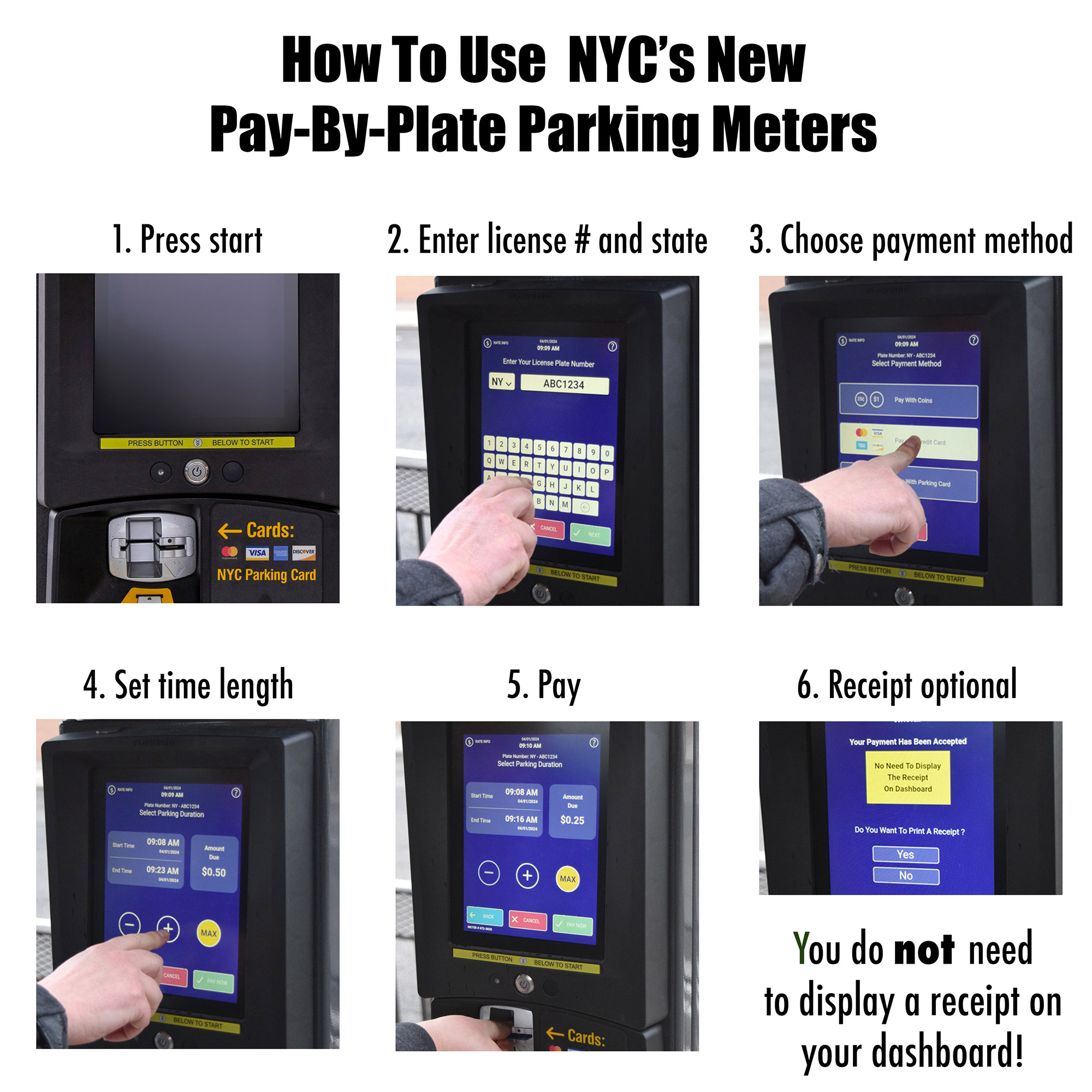
Metered parking
Passenger pickup and drop-off
Commercial loading
Bus or bike lane protection
Rules are enforced by time windows, arrows, vehicle class, and posted signs — not by whether the curb looks empty.
What Counts as a Curb Rule?
Curb rules include any regulation that controls how the curb may be used.
Common NYC curb rules cover:
No standing vs no parking vs loading only
Street cleaning and alternate side parking
Commercial vehicle loading hours
Passenger loading zones
Bus lanes and bike lanes next to the curb
Fire hydrant and corner restrictions
Each rule has a legal meaning, and misunderstanding even one detail can result in a violation.
Step-by-Step: How to Read NYC Curb Rules
1. Identify the curb use
Is the curb meant for parking, loading, transit priority, or brief stopping? The sign language tells you the intent.
2. Read every posted sign
NYC signs often stack multiple rules together. Arrows show where rules start and end.
3. Check the current time and day
Many curb rules only apply during specific windows. A legal action at one time may become illegal minutes later.
4. Consider vehicle type
Commercial vehicles, passenger vehicles, and ride-hail drivers may face different restrictions.
5. Watch for temporary conditions
Construction, events, and temporary signage override standard curb rules.
How Spotlink Helps With NYC Curb Rules
Spotlink is designed to reduce curb confusion in real time.
CurbAI™ interprets sign stacks, arrows, and curb designations.
Ticket Guard™ alerts drivers before time-based enforcement begins.
Driver-powered signals reflect live street conditions.
This helps drivers make calm, legal decisions instead of guessing.
Common NYC Curb Rule Mistakes
Assuming “no standing” allows quick parking
Ignoring arrows that limit where rules apply
Confusing loading zones with parking zones
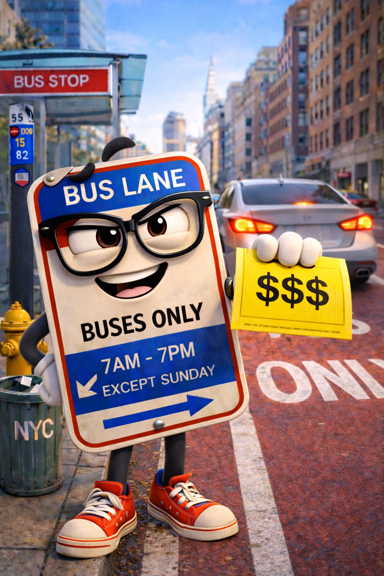
Stopping in bike or bus lanes “just for a minute”
Missing street cleaning or time-based changes
Why Curb Rules Matter for Urban Mobility
Curb rules affect more than individual drivers.
When rules are misunderstood:
Traffic lanes get blocked
Transit slows down
Bike and pedestrian safety is compromised
Congestion and emissions increase
Clear curb decision-making improves safety and flow for everyone.
Curb Rules Are About Timing, Not Just Space
Most curb conflicts happen because people act without knowing what will change next.
Understanding curb rules means knowing:
What you can do
Where it applies
When enforcement begins or ends
That timing clarity is the foundation of better urban mobility.
Final Thoughts
NYC curb rules shape how people move, park, load, and stop every day.
Spotlink helps turn complex curb regulations into clear, real-time decisions — reducing tickets, congestion, and stress across the city.
FAQ
What are curb rules in NYC?
Curb rules are regulations that control how curb space may be used for parking, stopping, loading, or pickup.
Do curb rules change by time of day?
Yes. Many curb rules are enforced only during specific hours or days.
Is stopping the same as parking under NYC curb rules?
No. NYC distinguishes between standing, parking, and loading, each with different legal meanings.
Why do curb rules cause so many tickets?
Because rules are complex, time-based, and often misunderstood.
How can drivers avoid curb rule violations?
By understanding sign language, time windows, and live street conditions.