
Delivery Driver Curb Rules in NYC
Delivery drivers face some of the strictest curb rules in NYC. Between loading zones, no-standing windows, bus lanes, and time-based restrictions, even experienced drivers get ticketed daily.
Understanding delivery-specific curb rules is essential to avoid fines, reduce double-parking, and keep routes efficient.
Quick Answer
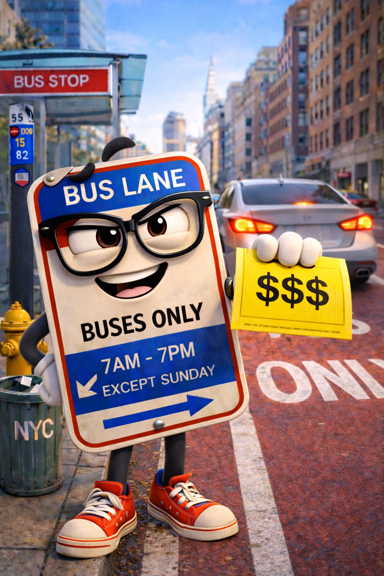
Delivery drivers may only stop where active loading is allowed for their vehicle type and during permitted hours. Waiting, overstaying, or stopping in restricted zones often leads to tickets.
CurbAI™ clarifies delivery legality for each curb in real time.
Ticket Guard™ alerts drivers before time-based restrictions begin.
Real-time curb awareness helps plan safer delivery stops.
Why Delivery Drivers Get Ticketed So Often
Delivery drivers operate under pressure — tight schedules, limited curb space, and constant enforcement.
Tickets usually happen because:
Loading zones are full or time-limited
No-standing rules activate unexpectedly
Vehicle type restrictions are overlooked
Drivers wait instead of actively loading
Where Delivery Drivers Are Commonly Allowed to Stop
Delivery vehicles may legally stop:
In commercial loading zones during permitted hours
In general loading zones if vehicle type is allowed
In parking zones converted to loading outside rush hours
Legality depends on both signage and timing.
Where Delivery Drivers Are Commonly Ticketed
No-standing or no-stopping zones
Bus lanes and bike lanes
Crosswalks, intersections, and curb extensions
Passenger-only pickup zones
Hazard lights do not protect against tickets.
Commercial Vehicle Rules Matter
Many loading zones are marked Commercial Vehicles Only.
To qualify:
The vehicle must meet commercial criteria
Company markings may be required
Loading must be active and continuous
Personal vehicles are often ticketed in these zones.
Time-Based Delivery Restrictions
Delivery legality can change multiple times per day.
Common transitions include:
Morning commercial loading windows
Rush-hour no-standing periods
Evening parking conversions
Missing a time change by minutes can trigger enforcement.
Double-Parking and Its Consequences
When legal curb access is unclear, drivers double-park.
This causes:
Traffic congestion
Blocked bus and bike lanes
Higher ticket risk
Reducing uncertainty reduces double-parking.
How Real-Time Curb Awareness Helps Delivery Drivers
Real-time curb awareness allows drivers to:
Identify legal loading spots faster
Avoid enforcement-heavy curbs
Plan stops before restrictions begin
This improves efficiency and reduces fines.
Delivery Drivers and Urban Mobility
Delivery vehicles are essential to city life.
When curb rules are followed:
Traffic flows better
Transit lanes remain clear
Pedestrian safety improves
Clear delivery curb rules benefit everyone.
Final Thoughts
Delivery driving in NYC depends on timing, legality, and curb awareness.
Knowing where you can legally stop — and when — saves time and money.
Spotlink helps delivery drivers understand curb rules in real time so routes stay compliant and efficient.
FAQ
Can delivery drivers stop in loading zones?
Yes, if the zone allows their vehicle type and loading is active.
Are delivery drivers allowed to double-park?
No. Double-parking is illegal and heavily enforced.
Do delivery rules change during rush hour?
Yes. Many curbs become no-standing zones during peak hours.
Do hazard lights protect delivery drivers from tickets?
No. Hazard lights do not override curb rules.
How can delivery drivers reduce tickets?
By checking curb rules in real time and planning stops accordingly.