
Can I Park Here Right Now?
Standing on a city street asking yourself, “Can I park here right now?” is one of the most common—and stressful—moments drivers face. A single missed detail—an arrow, a time window, a permit rule—can quickly turn into a ticket or tow.
This page gives you a fast way to decide if a spot is legal right now, plus a smarter way to reduce uncertainty the next time you’re under pressure.
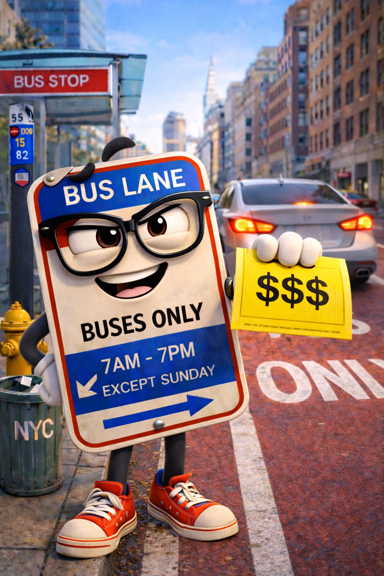
Quick Answer: How to Decide in 30 Seconds
Before you lock the car, run this checklist:
Scan every sign on the pole cluster and nearby poles (rules stack).
Match the exact day and time (many rules apply only in narrow windows).
Confirm you’re not in a fixed no-parking zone (hydrants, driveways, bus stops, corners).
Check permit or zone rules (legal for residents doesn’t mean legal for everyone).
Look for temporary overrides (construction, events, paper “No Parking” signs).
If all five checks pass, the spot is usually legal right now.
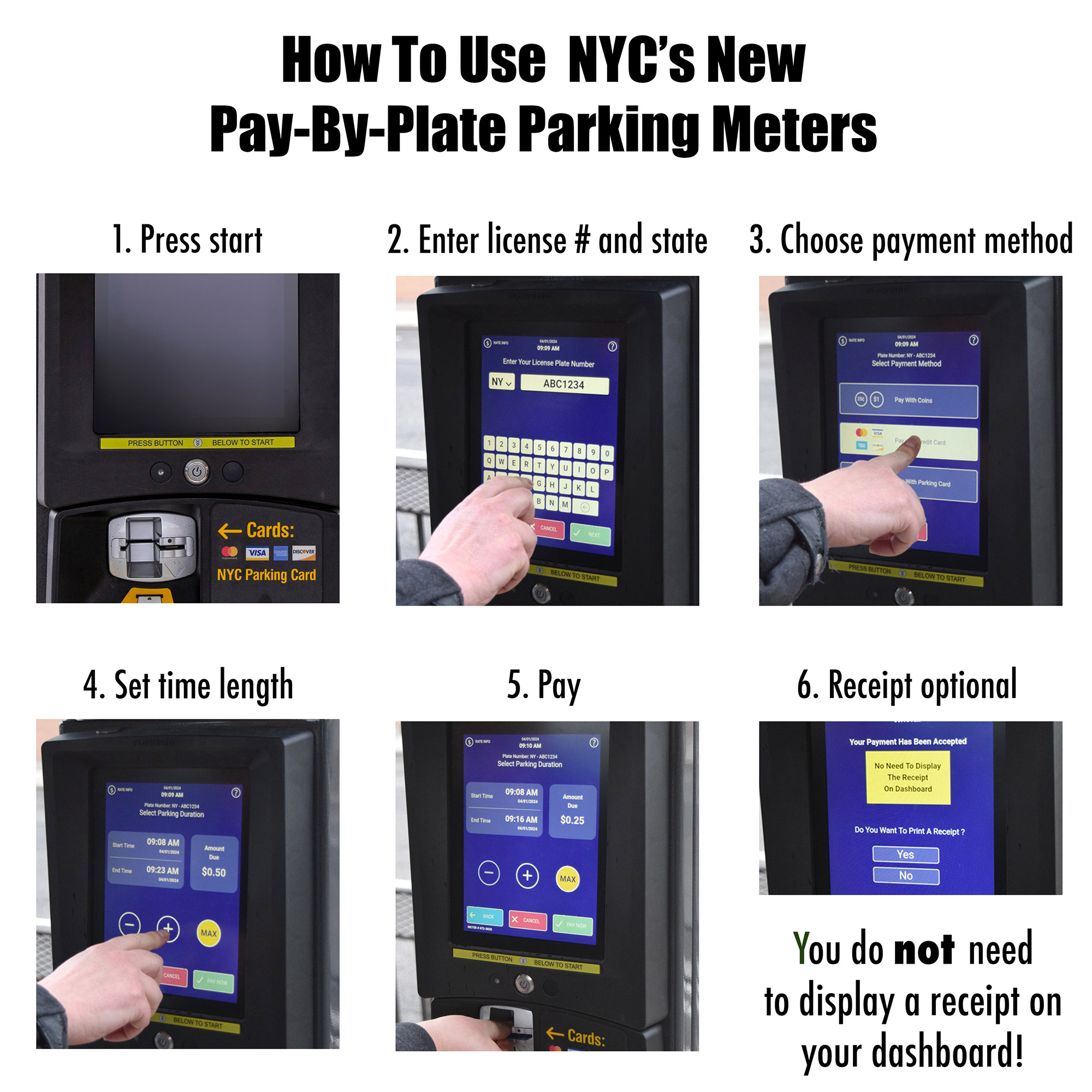
Why Drivers Keep Asking “Can I Park Here?”
Street parking is confusing because restrictions overlap. A single block can include time limits, street-cleaning schedules, permit-only hours, loading rules, and temporary changes.
Most tickets don’t happen because drivers ignore rules—they happen because drivers misread one detail under time pressure.
How to Tell If You Can Park Here Right Now
Use this order so you don’t miss the most expensive mistakes.
1. Read Every Relevant Sign on the Block Face
Parking rules apply to the entire block face, not just the sign closest to your car. Check arrows carefully—restrictions may start or end mid-block, and the real rule is often split across multiple signs.
2. Match the Current Day and Time Exactly
Many rules apply only during specific windows. A spot can be legal at 1:01 PM and illegal at 1:00 PM. Always compare the sign’s schedule to the current time and day.
3. Check Fixed “Always No” Zones First
Fire hydrants (distance rules vary—don’t risk it)
Crosswalks and corners
Driveways
Bus stops and loading zones
Bike lanes
If you’re in one of these areas, don’t park.
4. Watch for Permit or Zone Requirements
Some spaces are legal only for specific permit holders or vehicle types. If you’re unsure you qualify, assume you don’t.
5. Look for Temporary Overrides
Construction, film shoots, emergencies, and events can override normal rules. Temporary signs usually take priority over permanent ones.
Common Mistakes That Cause Tickets
Reading only the closest sign
Missing arrows that define boundaries
Forgetting street-cleaning or alternate-side rules
Assuming rules are the same every day
Parking “just for a minute” in a fixed no-parking zone
CurbAI™ helps interpret complex parking signs and curb rules so you don’t have to guess.
Ticket Guard™ helps alert drivers before time-based rules begin, reducing surprise tickets.
Real-world guides help you learn the patterns drivers miss most often.
Why Getting It Wrong Is Expensive
Parking tickets cost money, time, and momentum—and the worst part is they often feel avoidable because they usually are.
A fast, consistent decision process is the difference between “I think it’s fine” and “I know it’s legal.”
Final Thoughts
If you often find yourself asking “Can I park here right now?”, you’re not alone. The goal isn’t memorizing every rule—it’s reducing uncertainty before you walk away.
Using tools that interpret curb rules and warn you before time-based restrictions start can make the difference between a smooth stop and an expensive surprise.
FAQ
How do I know if parking is allowed right now? Read all nearby signs on the block face, match the rule to the current time and day, confirm you’re not in a fixed no-parking zone, and check permits or temporary restrictions.
Do parking rules change by time of day? Yes. Many restrictions apply only during specific hours (street cleaning, rush hour, permit windows), so legality can change throughout the day.
What if parking signs are confusing or unclear? If signs are unclear, assume there may be restrictions. Tools like CurbAI™ can help interpret complex sign clusters more reliably.
Are fire hydrants and corners always no-parking zones? Generally yes. Hydrants, corners, crosswalks, driveways, and bus stops often have fixed restrictions even if signage is incomplete.
Can temporary signs override regular parking rules? Yes. Temporary signs for construction, events, film shoots, or emergencies usually override standard curb rules for the posted times.