
Last-Mile Delivery Curb Management in NYC
Last-mile delivery depends on curb access. In NYC, how delivery vehicles load, stop, and transfer goods is tightly managed to reduce congestion, protect transit lanes, and keep streets moving.
Curb management defines when and where delivery activity is legal — and misunderstanding it is one of the biggest reasons delivery drivers get ticketed.
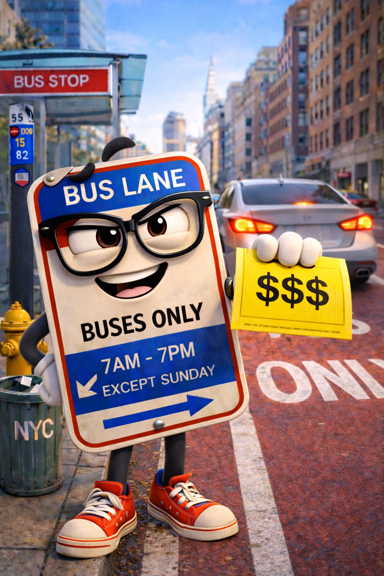
Quick Answer
Last-mile delivery curb management in NYC uses loading zones, microhubs, and time-based rules to control where delivery vehicles may legally stop. Deliveries are only allowed during specific windows and for qualifying vehicle types.
CurbAI™ interprets curb signs, loading rules, and delivery eligibility instantly.
Ticket Guard™ alerts drivers before time-based curb restrictions begin.
Real-time curb awareness reduces double-parking and tickets.
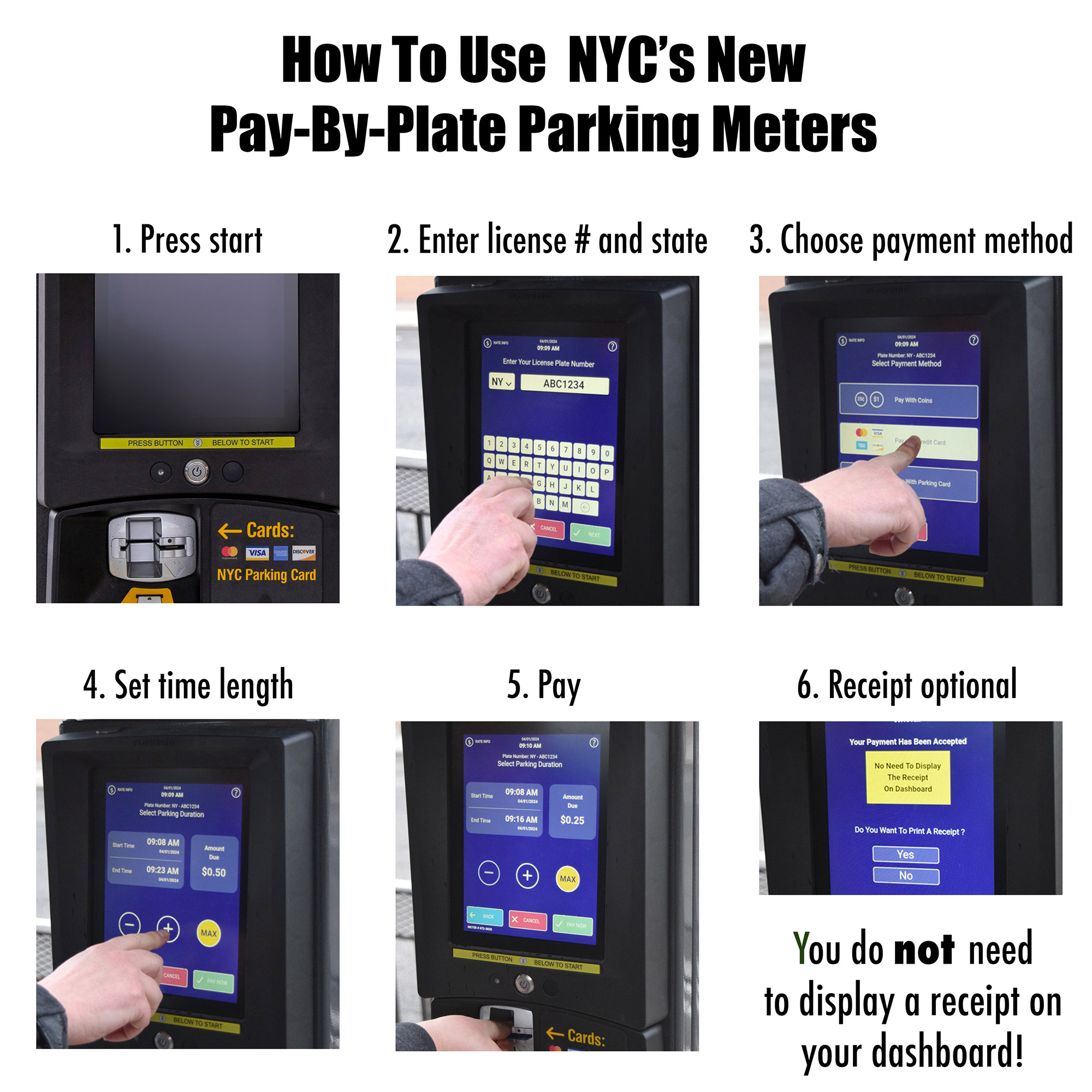
What Is Last-Mile Delivery Curb Management?
Last-mile delivery curb management is how cities allocate curb space for short-term delivery activity.
In NYC, this includes:
Commercial and neighborhood loading zones
Microhub transfer areas
Time-based no-standing conversions
Vehicle-type restrictions
The goal is to move goods efficiently without blocking traffic, buses, or bike lanes.
Why NYC Manages Delivery Curbs So Strictly
NYC streets are dense and heavily used.
Without curb management:
Delivery vehicles double-park
Bus and bike lanes get blocked
Traffic congestion increases
Pedestrian safety declines
Curb rules exist to balance delivery needs with overall street flow.
Common Curb Tools Used for Last-Mile Delivery
Loading Zones
Short-term spaces where qualifying vehicles may actively load or unload during posted hours.
Microhub Zones
Designated curb areas for delivery transfers, often involving cargo bikes or consolidated shipments.
Time-Based Restrictions
Curbs that switch between loading, parking, and no-standing depending on the time of day.
Step-by-Step: How Drivers Decide If They Can Stop
1) Identify the Curb Type
Read all nearby signs to determine whether the curb is a loading zone, microhub, or restricted area.
2) Check the Time Window
Many delivery curbs are only legal during narrow windows. Outside those hours, stopping may be prohibited.
3) Confirm Vehicle Eligibility
Some zones are limited to commercial vehicles or specific delivery uses.
4) Confirm Active Loading
Waiting or staging without active loading is a common ticket trigger.
5) Scan for Conflicting Rules
Bus lanes, rush-hour rules, and construction signage may override delivery permissions.
Where Last-Mile Deliveries Commonly Get Ticketed
No-standing zones during peak hours
Bus lanes and bike lanes
Passenger pickup zones
Crosswalks and curb extensions
Hazard lights do not make delivery stops legal.
How Curb Management Improves Urban Mobility
When delivery activity is properly managed:
Traffic flows more smoothly
Transit lanes remain clear
Double-parking decreases
Streets become safer
Clear curb rules benefit drivers, neighborhoods, and cities.
Using Real-Time Curb Intelligence
Curb rules change throughout the day.
Real-time information helps delivery drivers:
Plan legal stops in advance
Avoid enforcement-heavy curbs
Reduce unnecessary circling
This improves delivery efficiency and compliance.
The Future of Last-Mile Delivery in NYC
As delivery demand grows, curb management will continue evolving.
Expect:
More microhubs
More time-based curb rules
Greater emphasis on real-time compliance
Understanding curb management is now essential for last-mile delivery success.
Final Thoughts
Last-mile delivery in NYC depends on timing, curb access, and compliance.
Knowing where and when deliveries are allowed reduces tickets, congestion, and stress.
Spotlink helps delivery drivers understand curb rules in real time so every stop supports smoother city movement.
FAQ
What is last-mile delivery curb management?
It’s how NYC controls where delivery vehicles may legally stop, load, or transfer goods.
Are loading zones part of curb management?
Yes. Loading zones are one of the primary tools used to manage delivery curb access.
Do curb rules change during the day?
Yes. Many delivery curbs switch rules based on time and traffic conditions.
Are microhub zones used for last-mile delivery?
Yes. Microhubs support cargo bike transfers and consolidated deliveries.
How can delivery drivers reduce curb-related tickets?
By checking curb rules in real time and planning stops before restrictions activate.