
Urban Mobility Is Not Parking Control
Urban mobility is about understanding how people move — not controlling where they park.
In cities like NYC, public curb space is regulated by the city. No private app, platform, or service can grant permission to park, reserve public curb space, or override posted rules.
Spotlink is built around this distinction. We provide real-time mobility awareness so drivers can make better decisions — but all parking decisions remain the driver’s responsibility.
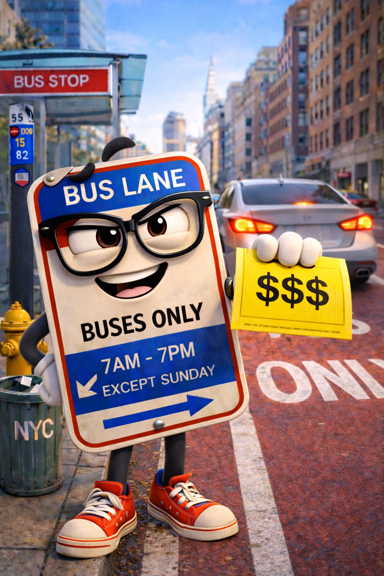
What Urban Mobility Actually Means
Urban mobility focuses on how people move safely, efficiently, and legally through dense environments.
It includes:
Understanding curb rules and time-based restrictions
Reducing unnecessary circling and congestion
Improving coordination between drivers, delivery vehicles, and streets
Supporting smoother curb turnover without controlling it
Urban mobility tools surface information. They do not issue permissions.
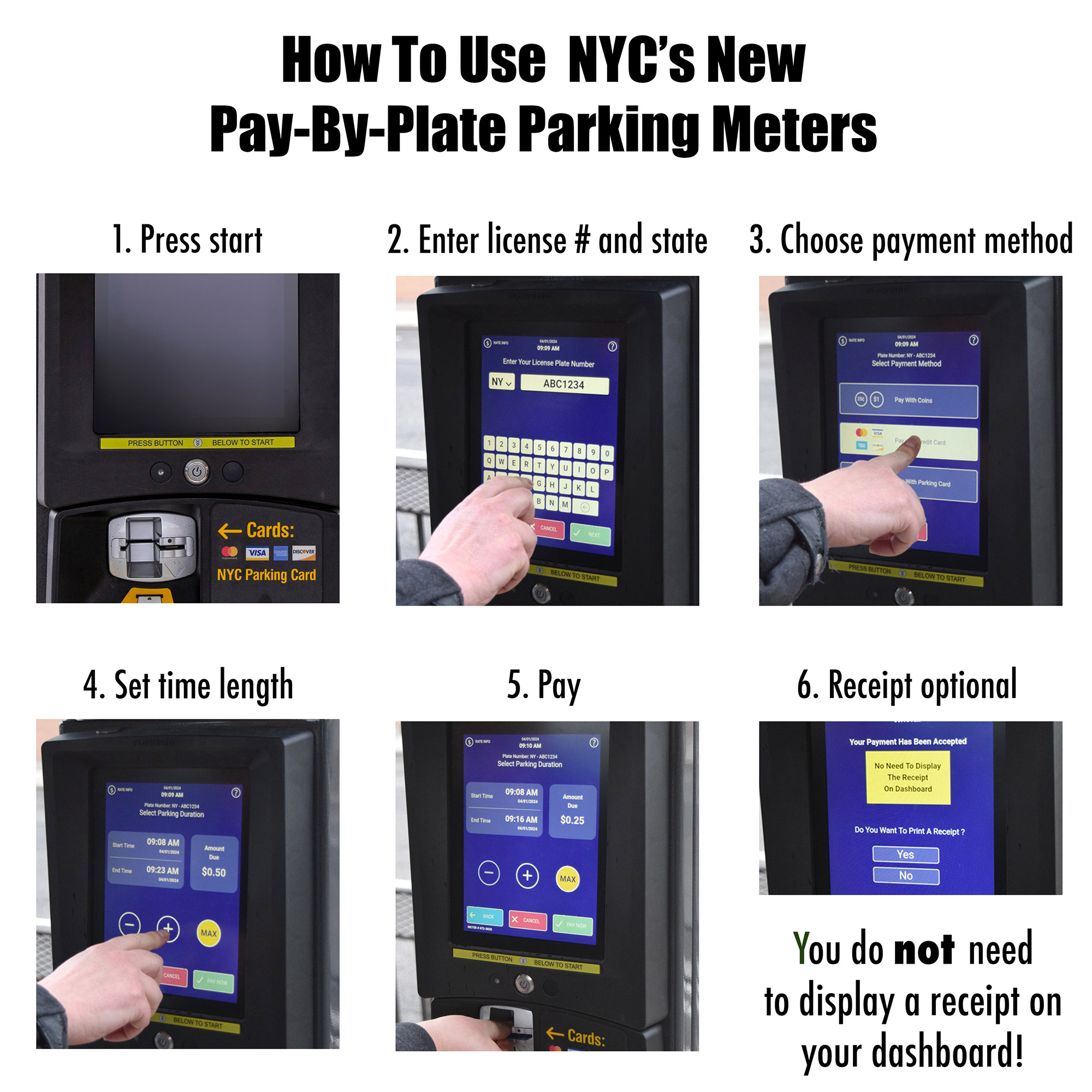
Parking Control vs. Parking Awareness
Parking control implies authority — reserving space, holding curbs, or determining legality.
Parking awareness provides context — what the signs say, how rules change by time, and what activity is happening nearby.
Spotlink operates strictly in the second category.
No Spotlink feature claims:
That a space is guaranteed to be legal
That a driver has permission to park
That enforcement will not occur
Drivers must always confirm signage, curb markings, and local rules in person.
Why This Distinction Matters in NYC
NYC curb space is public infrastructure governed by strict rules.
Misrepresenting parking authority creates risk for:
Drivers, who may receive tickets or tows
Cities, dealing with blocked lanes and congestion
Platforms, exposed to regulatory and legal pressure
Urban mobility works when tools respect the city’s authority and help drivers navigate it — not bypass it.
How This Philosophy Shows Up in Real Tools
Urban mobility principles only matter if they are reflected in how tools behave.
Spotlink’s features are designed to provide awareness without authority:
CurbAI™ interprets visible street signs and curb markings into a simplified view, but does not guarantee legality or replace posted signage.
Ticket Guard™ helps drivers set reminders before time-based rules change, without preventing enforcement or assuming compliance.
Hydrants View highlights known hydrant locations to improve awareness, while reminding drivers to verify distance and local requirements in person.
Each tool supports informed decisions — none grant permission or control public curb space.
CurbAI™ helps interpret complex curb rules so drivers understand what they’re seeing.
Ticket Guard™ helps drivers stay aware of upcoming rule changes.
Real-time departure signals help reduce circling without reserving space.
Urban Mobility Improves Cities Without Controlling Them
When drivers understand curb rules and timing:
Circling decreases
Traffic flows improve
Bus and bike lanes stay clearer
Streets become safer for everyone
These outcomes come from better information — not stricter control.
Final Thoughts
Urban mobility is not about owning curb space.
It’s about helping people move through cities with awareness, respect for rules, and less friction.
Spotlink is an information platform that supports that goal — while leaving all parking decisions where they belong: with the driver, the signs, and the city.