
How to Move Legally in NYC
Moving legally in NYC means knowing what you can do at the curb — park, stop briefly, load, wait, or pick up passengers — based on the exact block, time, and vehicle type.
Most violations don’t happen because drivers ignore rules. They happen because rules change constantly and are hard to interpret in the moment.
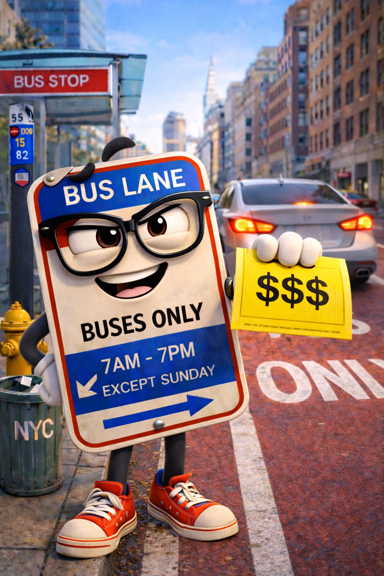
Quick Answer
To move legally in NYC, you must understand curb rules in real time. That includes reading all posted signs, knowing time-based restrictions, recognizing special no-stop zones, and anticipating what will change next.
CurbAI™ helps interpret complex parking signs and curb rules so you don’t have to guess.
Ticket Guard™ helps alert drivers before time-based rules begin, reducing surprise tickets.
Real-time driver signals help reveal what’s changing on the street.
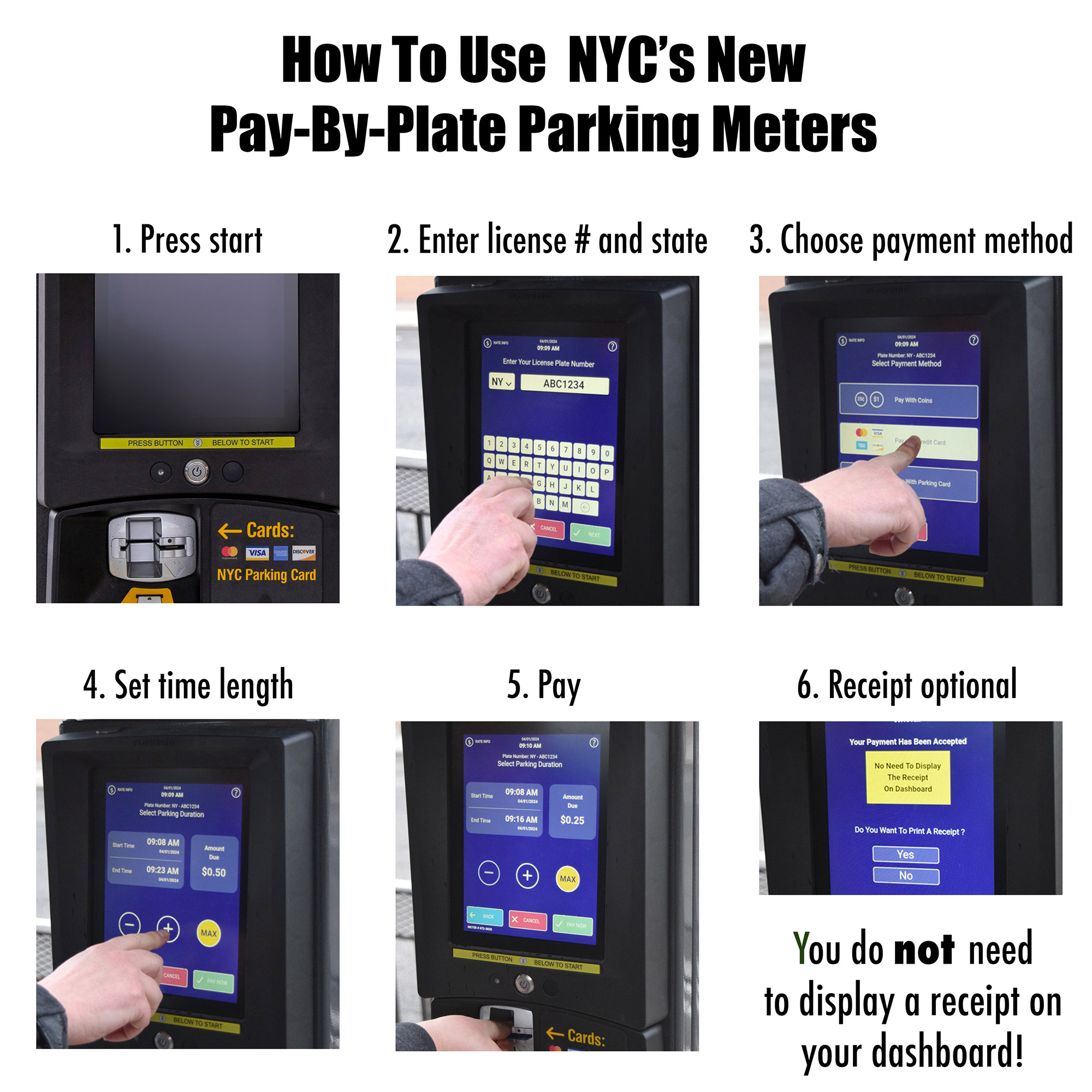
Why Moving Legally Is So Confusing in NYC
New York City streets are shared by drivers, delivery vehicles, ride-hail, transit, bikes, and pedestrians.
On a single block, rules may change based on:
Time of day
Day of week
Vehicle type
Curb designation
Temporary conditions like construction
Legal movement requires understanding how all these factors interact — in real time.
Step-by-Step: How to Move Legally in NYC
1. Identify what you’re trying to do
Parking, stopping briefly, loading, and passenger pickup are treated differently under NYC law. Your intent determines which rules apply.
2. Identify the curb’s primary use
Look for signs indicating parking, loading zones, no standing, bus lanes, bike lanes, or restricted areas.
3. Read every posted sign and arrow
NYC signs often stack rules together. Arrows show where each rule starts and ends.
4. Check the current time and upcoming changes
A legal action now may become illegal in minutes due to street cleaning, rush-hour restrictions, or permit windows.
5. Account for special no-stop zones
Fire hydrants, crosswalks, corners, driveways, bus stops, and protected lanes override nearby signage.
6. Watch live street conditions
Double-parked vehicles, construction, or temporary signage may change what’s possible.
What “Legal” Means at the NYC Curb
Legal movement doesn’t always mean doing what feels convenient.
In NYC:
No standing usually means no stopping at all
No parking may allow brief passenger pickup
Loading zones often restrict use by vehicle type
Bike and bus lanes may prohibit stopping entirely
Understanding these distinctions prevents most violations.
How Spotlink Helps You Move Legally
Spotlink is built for real-time curb decisions.
CurbAI™ translates complex sign language into clear guidance.
Ticket Guard™ alerts you before time-based rules begin.
Driver-powered signals show when curb conditions are changing.
This reduces last-second decisions and unnecessary violations.
Common Mistakes That Lead to Tickets
Assuming “empty curb” means legal stopping
Ignoring arrows or time windows on signs
Stopping in bike or bus lanes briefly
Missing upcoming street cleaning or rush-hour rules
Confusing parking with standing or loading
Why Legal Movement Improves Urban Mobility
When drivers move legally and predictably:
Traffic flows more smoothly
Transit runs on time
Bike and pedestrian safety improves
Congestion and emissions decrease
Legal movement benefits everyone — not just the driver.
Final Thoughts
Moving legally in NYC isn’t about memorizing rules. It’s about having the right information at the right moment.
Spotlink helps turn complex curb rules into clear, real-time decisions so drivers can move confidently and legally.
FAQ
What does it mean to move legally in NYC?
It means following curb rules for parking, stopping, loading, and pickup based on the exact block, time, and vehicle type.
Is stopping the same as parking in NYC?
No. NYC distinguishes between standing, parking, and loading, each with different legal meanings.
Why do drivers get ticketed so often?
Because rules change by time and location, and signs are easy to misinterpret.
Do curb rules apply even if no one is around?
Yes. Enforcement is based on posted rules, not traffic conditions.
How can drivers reduce the risk of violations?
By understanding sign language, time-based rules, and real-time street conditions.