
Real-Time Parking and Curb Access
Real-time parking and curb access means knowing what you are legally allowed to do at a curb right now — not five minutes ago, and not after a ticket appears.
In NYC, curb space constantly shifts between parking, loading, standing, bus lanes, bike lanes, and restricted zones. Without real-time clarity, drivers are forced to guess, circle, or risk violations.
Quick Answer
Real-time parking and curb access gives drivers immediate clarity on whether they can park, load, or stop at a specific curb at that exact moment. It combines curb rules, timing, and live street conditions.
CurbAI™ interprets complex parking signs, arrows, and curb rules in real time.
Ticket Guard™ alerts drivers before time-based restrictions begin.
Driver-powered signals help show when curb access is about to change.
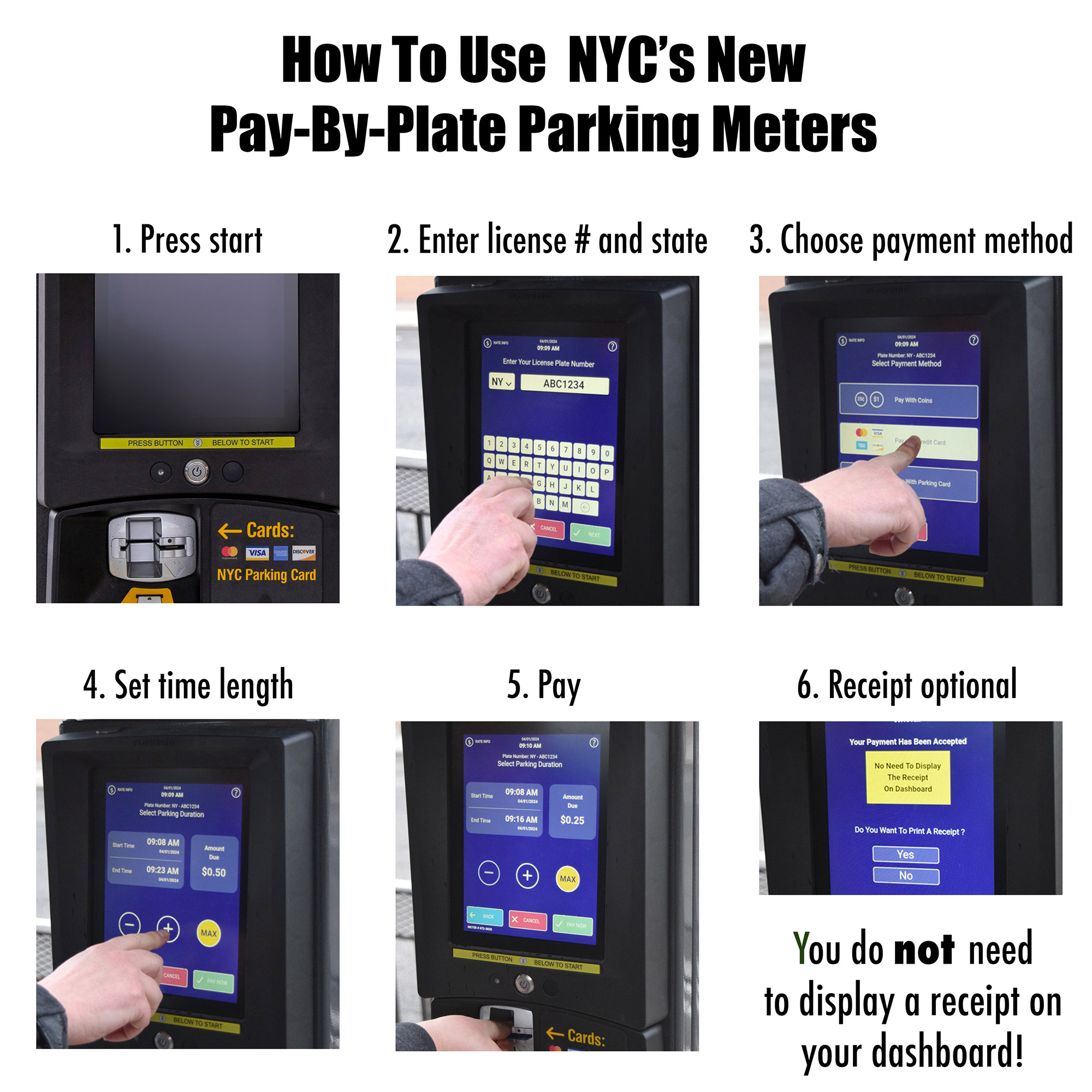
Why Curb Access Is So Confusing
NYC curbs are not static. The same space may shift multiple times per day.
A single curb can alternate between:
Legal street parking
Loading-only access
No standing or no stopping
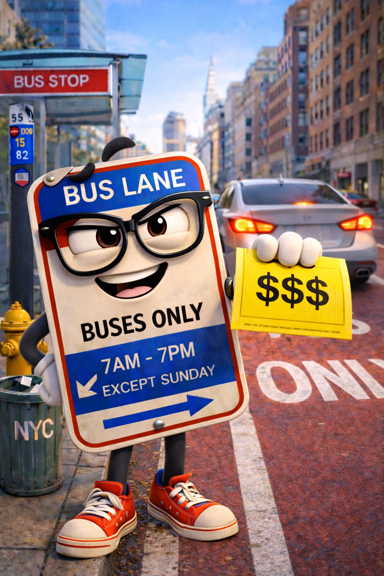
Bus or bike lane priority
Temporary restrictions for cleaning or construction
Most confusion happens when drivers rely on outdated assumptions instead of current rules.
Parking vs. Curb Access
Parking is only one form of curb access.
Real-time curb access answers broader questions:
Can I park here right now?
Can I load or unload briefly?
Can I stop for a passenger?
Will this curb change in the next few minutes?
Without real-time awareness, drivers often violate rules unintentionally.
How Real-Time Parking and Curb Access Works
1. Interpret the curb rules
Signs, arrows, curb markings, and zones define what is allowed — but only at certain times.
2. Match rules to the current time
Street cleaning, rush-hour rules, and permit windows activate and expire throughout the day.
3. Detect upcoming changes
A legal curb now may become restricted moments later.
4. Act before congestion or enforcement
Drivers who know early don’t need to rush, double-park, or block lanes.
Why Real-Time Matters More Than Maps
Static parking maps fail because streets are dynamic.
By the time a map says a curb is available:
Another driver may already be committing
Time-based rules may be starting
Enforcement may already be active
Real-time curb access focuses on what is legal now — and what is about to change.
Common Mistakes Drivers Make
Assuming an empty curb means legal parking
Ignoring arrows that limit sign coverage
Stopping briefly in no-standing zones
Forgetting that rules change by time of day
How Real-Time Curb Access Improves Urban Mobility
When drivers understand curb access clearly:
Circling decreases
Double-parking drops
Bus and bike lanes stay clear
Traffic flows more smoothly
Real-time curb access benefits everyone — not just drivers.
Built for Drivers, Deliveries, and Pickups
Real-time parking and curb access supports:
Everyday drivers
Delivery vehicles
Ride-hail and passenger pickup
Commercial and service vehicles
Each group relies on timing and legality, not guesswork.
Final Thoughts
Real-time parking and curb access is about clarity.
Knowing what you can do at a curb — right now — reduces stress, prevents tickets, and keeps streets moving.
Spotlink brings timing, rules, and real-world behavior together so drivers can act with confidence instead of uncertainty.
FAQ
What is real-time curb access?
Real-time curb access means understanding what is legally allowed at a curb at the current moment.
Is curb access different from parking?
Yes. Curb access includes parking, loading, stopping, and passenger pickup or drop-off.
Why do curb rules change so often?
NYC curbs are shared by many users and shift by time of day to manage congestion and safety.
Can a curb be legal now but illegal soon?
Yes. Many rules activate at specific times, making early awareness critical.
How does Spotlink help with curb access?
Spotlink interprets curb rules, alerts drivers to changes, and shows real-time signals to reduce guesswork.