
Loading and parking are not the same thing in NYC. Loading means active pickup, drop-off, loading, or unloading. Parking means leaving the vehicle or using the space beyond the allowed loading activity.

What Loading Is Good For
Loading zones help deliveries, passengers, workers, and local businesses move goods or people without blocking access longer than needed.
Where Spotlink Is Different
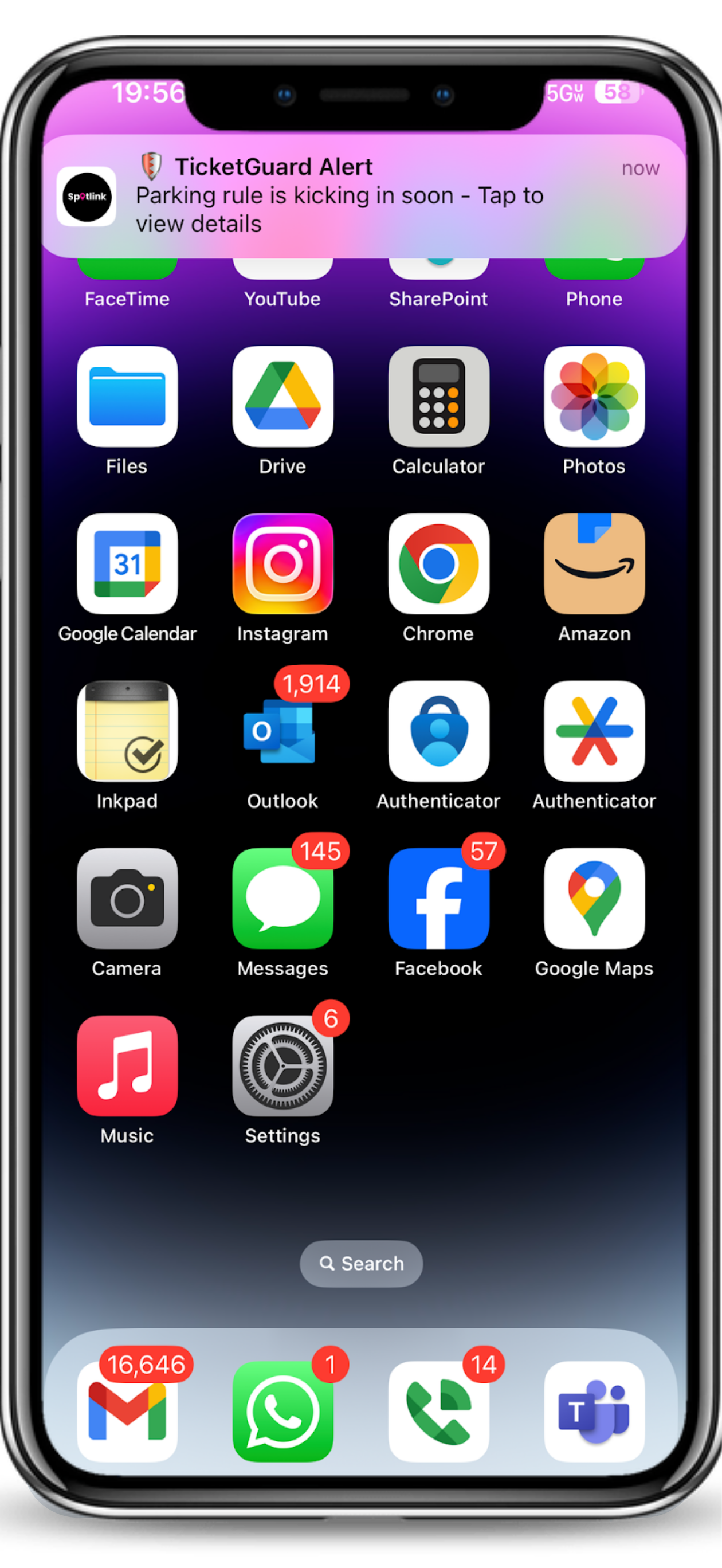
Spotlink helps drivers check the rule before deciding whether a space is for parking, loading, standing, or restricted use. It connects signs, hours, hydrants, temporary updates, street cleaning, and TicketGuard timing.
Loading vs Parking Table
The rule depends on what the driver is doing, not only whether the vehicle is stopped.
| Driver action | Loading | Parking |
|---|---|---|
| Active goods pickup/drop-off | Often the intended use when the sign allows it | Not the right label if activity is continuous |
| Waiting with no active movement | Not loading | Often treated as parking or standing |
| Leaving the vehicle | Usually breaks the loading claim | Usually parking |
| Vehicle-type limits | May be commercial-only | Depends on posted parking rules |
| Time windows | Can switch by hour | Can switch by hour |
| Spotlink support | Checks sign, activity, timing, and alerts | Checks whether the driver can leave the car |
Practical Driver Examples
- You are dropping off groceries and need to know whether active loading is allowed now.
- You want to leave the car, but the sign only allows loading during business hours.
- You see an empty space and need to know whether it switches from parking to loading soon.
- You are working, delivering, or helping family and need to avoid an avoidable ticket.
NYC Parking Decision Context
NYC parking rules can change by hour, vehicle type, posted arrow, and activity. The same space may be parking in the morning, loading in the afternoon, and restricted during rush hour.
Ecosystem Impact
Clearer loading and parking decisions reduce stress, double-parking, circling, and confusion for drivers, households, delivery workers, and businesses that depend on reliable access.
Next Step
Open Spotlink before using a loading zone or leaving the car.
FAQ
Is loading the same as parking?
No. Loading requires active pickup, drop-off, loading, or unloading. Parking usually means leaving the vehicle or staying beyond the allowed activity.
Can I wait in a loading zone?
Waiting without active loading can be treated as parking and may lead to a ticket.
Can loading rules change during the day?
Yes. Many NYC spaces change by time, day, vehicle type, and posted restriction.
Does Spotlink replace official signs?
No. Spotlink provides guidance; official signs, rules, and enforcement decisions still control.