If you drive Uber, Lyft, or deliver food in NYC, parking is quietly eating your profits.
Not traffic.
Not gas.
Not commissions.
Parking tickets and bad curb timing.
In 2026, NYC is on pace to issue hundreds of millions of dollars in parking and curb violations — and ride-hail and delivery drivers are hit harder than anyone else.
Not because drivers are careless.
Because the curb changes faster than memory.
This guide exists so drivers stop learning the hard way.
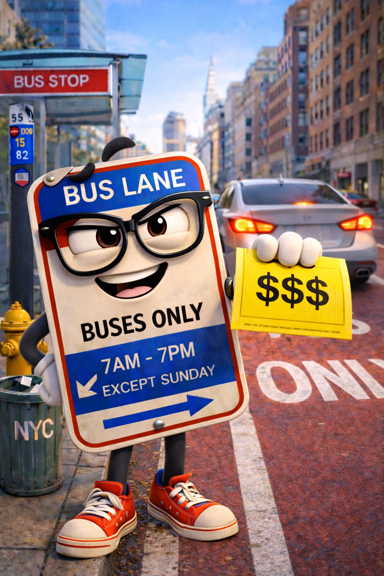
Why Uber, Lyft & Delivery Drivers Get Ticketed More Than Anyone
If you drive for a living, you already know this feeling:
You pull over “just for a minute”
The spot looks fine
You’ve parked there before
You’re watching the app, not the sign
Then enforcement shows up.
The reality:
Ride-hail drivers stop more often
On blocks they don’t know
Under time-based rules
With zero grace period
NYC curb rules aren’t static. They flip by:
time of day
day of week
school schedules
street cleaning windows
temporary restrictions
Most tickets aren’t about illegal parking.
They’re about bad timing.
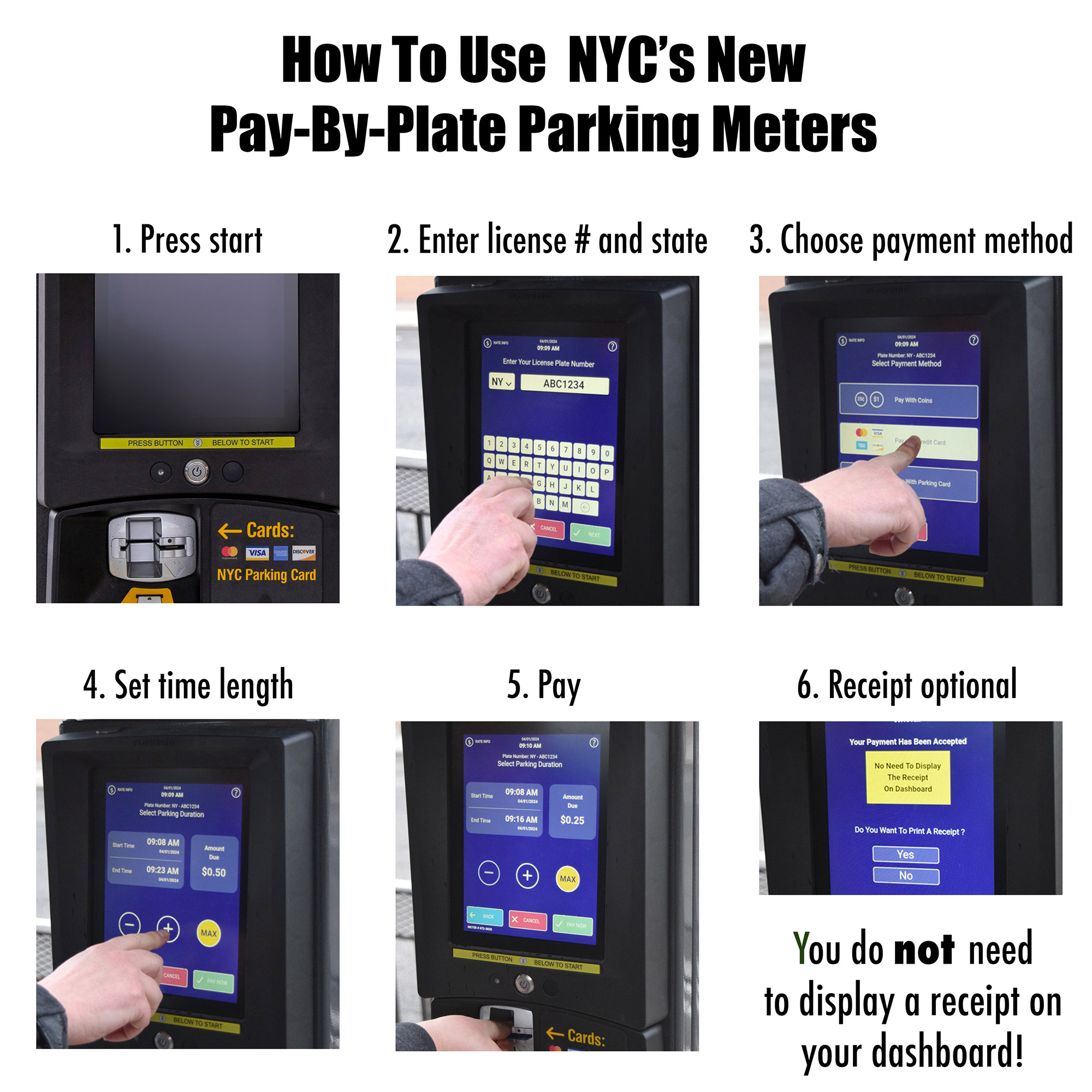
The Real Cost of One Parking Ticket (It’s Not Just the Fine)
Let’s do the math drivers actually care about.
Ticket Amount | Real Cost to a Driver
$65 ~2 hours of driving
$95–$115 3–4 hours
+ downtime Missed trips
+ stress Lower ratings, rushed decisions
That’s not theory.
That’s lost income.
NYC’s own data shows parking fines generate hundreds of millions annually — and enforcement increasingly targets active curb use, not long-term parking.
Verified Sources You Can Trust
NYC Department of Transportation – Curb rules, loading zones
NYC Department of Finance – Parking fines & violations data
NYC TLC – Ride-hail rules
Why 2026 Is Worse (Not Better)
Cities are changing how the curb works.
NYC is expanding:
dynamic loading zones
camera enforcement
data-driven ticketing
reduced “grace” windows
This isn’t anti-driver.
It’s revenue + congestion management.
What that means for drivers:
“I’ll be quick” doesn’t matter
Memory doesn’t help
Yesterday’s rules don’t protect you today
🛒 Recommended Driver Gear
What Smart Drivers Do Differently
Experienced drivers don’t rely on luck.
They:
check after parking, not just before
assume rules change
treat curb access like traffic conditions
avoid “looks safe” logic
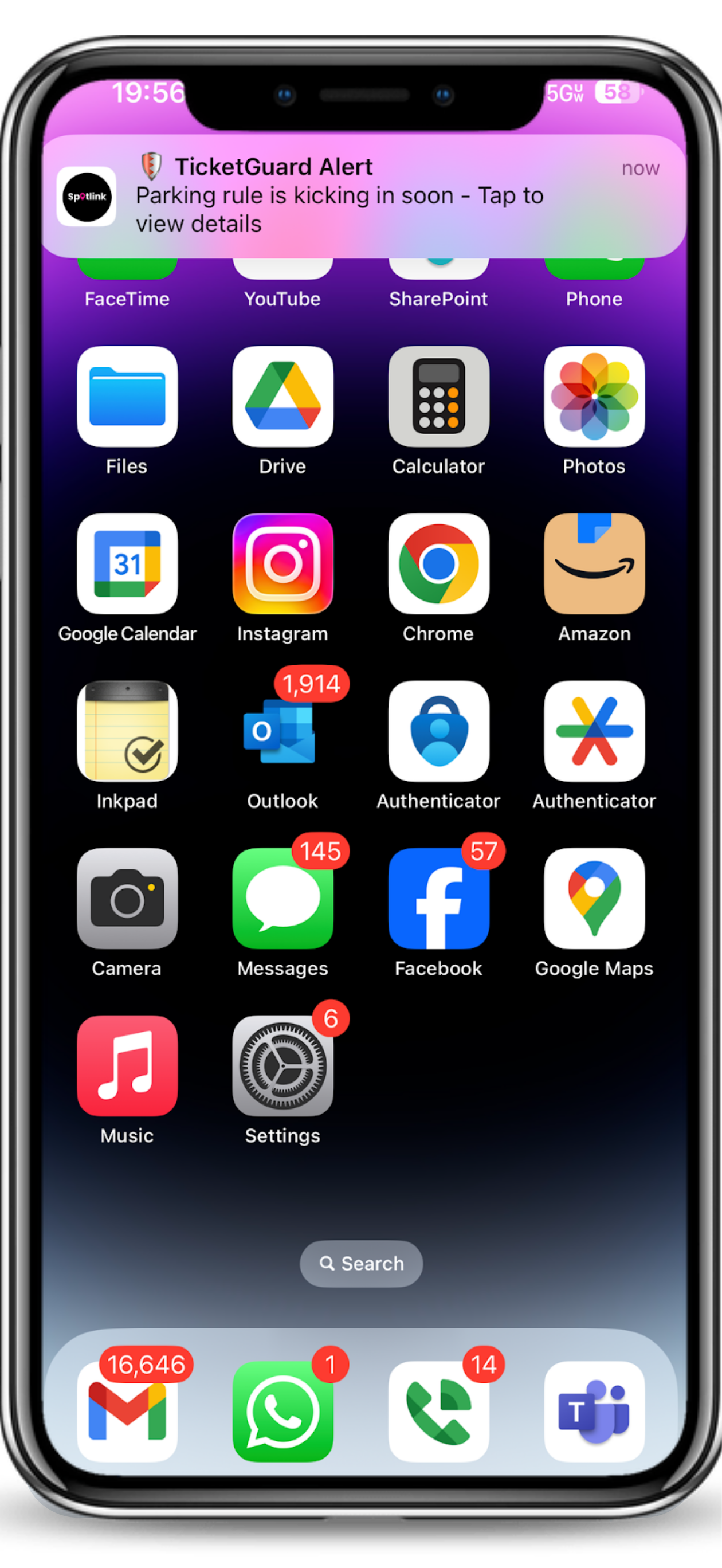
Some now use tools like Ticket Guard™ and CurbAI™ from Spotlink to understand:
when rules flip
what signs actually mean
whether a stop is safe right now
Not to be perfect — but to be informed.
Uber Eats & Delivery Drivers: Short Stops, Bigger Risk
Delivery drivers get hit hardest because:
stops are frequent
loading zones flip quickly
enforcement assumes “commercial activity”
there is no tolerance for quick drop-offs
If you deliver food:
“I’ll be fast” is exactly what gets ticketed.
Pickup, Drop-Off, and Curb Access: What Actually Matters
Key distinctions every driver should know:
No Standing = you can’t stop, even briefly
Loading Zones ≠ parking
Pickup zones are often time-restricted
Street cleaning overrides everything
If you’re unsure on a block:
Understand NYC No Standing vs No Parking vs Loading
Those pages matter because signs alone don’t tell the full story.
7 Rules Every Uber, Lyft & Delivery Driver Should Follow in 2026
Never trust memory alone
Assume rules change after you park
Street cleaning beats everything
Loading zones flip faster than you think
“Just a minute” is not a defense
Tickets cost more than reroutes
Confidence comes from context, not luck
Final Thought (This Is Why This Matters)
In 2026, the best drivers won’t drive faster.
They’ll drive smarter.
Parking shouldn’t feel like a gamble.
And tickets shouldn’t be how you learn the rules.
If this helps, share it with another driver before it costs them.
FAQ
Can Spotlink tell me if parking is legal right now?
Spotlink helps drivers understand curb and parking conditions faster, but drivers should always confirm posted signs and local rules before leaving a vehicle.
Can Spotlink help reduce parking tickets?
Spotlink is designed to reduce uncertainty by helping drivers check curb rules, timing, and ticket-risk situations before they park.
Check before you park
Before you leave your car, use Spotlink to check curb rules, timing, and ticket-risk situations in NYC.
Explore CurbAI, Ticket Guard, or start from the Spotlink homepage.
Driver check before parking
What it means
The practical question is whether the curb rule, timing, and street context still allow the driver to stop, wait, or park at that exact moment.
When the rule applies
Check the posted days and hours, the side of the street controlled by the sign, and whether a temporary notice or nearby restriction changes the normal rule.
Common mistake
The common mistake is trusting memory, another parked car, or a quick errand instead of reading the current block conditions.
Quick rule
If the sign, arrow, time window, or curb context is unclear, treat the space as risky until you verify the rule.
What to check
The exact sign and arrow that control the space.
The day, hour, vehicle type, and whether stopping, standing, loading, or parking is allowed.
Hydrants, bus stops, driveways, loading zones, meters, bike lanes, and temporary notices nearby.