How real-time information is quietly changing street-based work — and how people earn in 2026
Every major shift in modern mobility has had an “Uber moment.”
Not the moment an app launched — but the moment guessing disappeared.
Before Uber, you hoped a cab would show up.
After Uber, you knew — where it was, when it would arrive, and what to expect.
Today, something similar is beginning to happen — not with rides, but with the street itself.
Where can I stop right now?
Which rules apply at this hour?
What’s about to change?
For years, guessing was just part of city driving.
In today’s economy, fewer people are willing to accept that — especially when time and money are already tight.
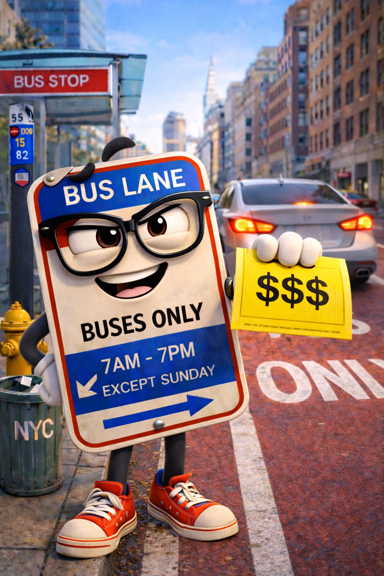
The hidden math of street uncertainty
Urban researchers have studied this problem for decades, and the math adds up quickly.
In dense cities, drivers routinely lose 10–30 minutes per day dealing with curb uncertainty — circling, re-checking signs, repositioning, or hesitating because rules aren’t clear in the moment.
Transportation studies estimate that up to 30% of downtown congestion comes from drivers reacting to curb uncertainty rather than actual traffic flow.
Let’s put that into everyday terms.
If someone loses:
10 minutes per day
5 days per week
50 weeks per year
That’s over 40 hours a year lost — quietly.
No paycheck line item.
No reimbursement.
Just time gone.
In an economy where many people are looking for ways to stretch earnings without adding more work, that lost time matters.
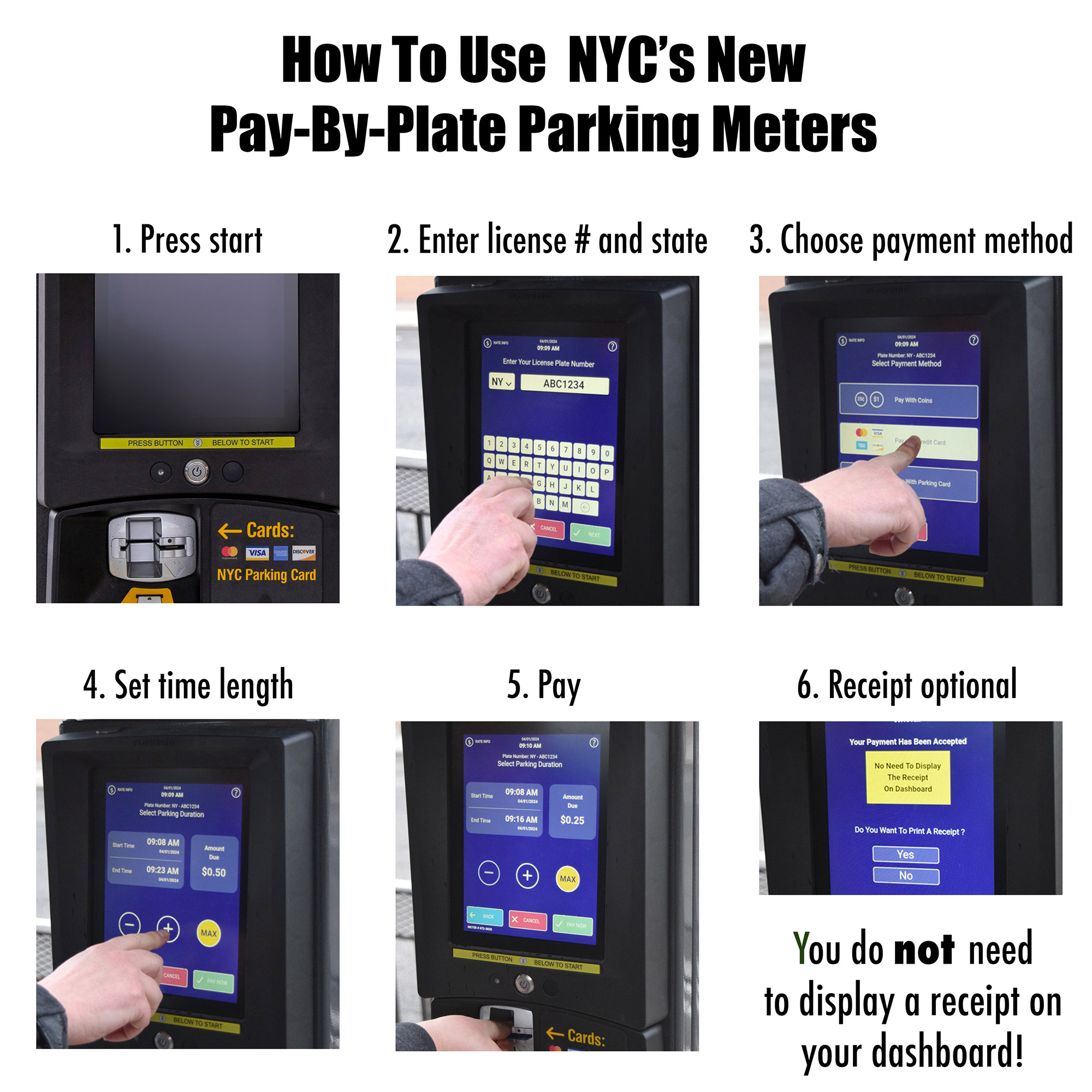
Why people who work on the street feel this first
If your job happens on the street, rules change faster than schedules.
Rideshare drivers, delivery workers, contractors, caregivers — they feel this first because:
every block is different
rules change by time of day
enforcement windows vary
fatigue increases mistakes
After a long shift, nobody is carefully decoding signs.
That’s not carelessness — it’s human behavior.
Street-based work exposes how expensive guessing really is.
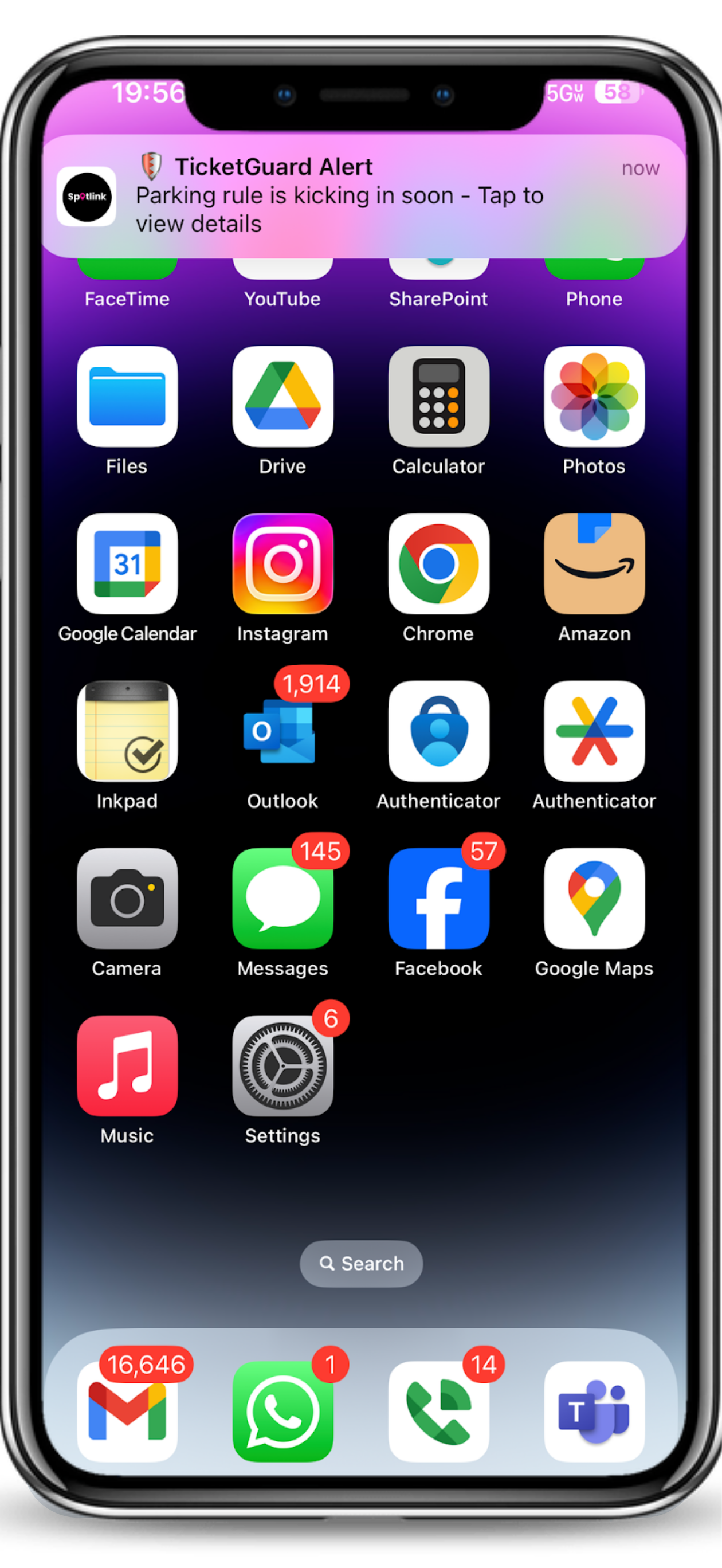
The quiet shift: participation without a “gig”
But something bigger is happening.
The gig economy used to be defined by jobs. Driving. Delivering. Contracting.
In 2026, participation is expanding beyond work McKinsey reported.
People already:
leave parking spots
time their departures
share cars with family
move through neighborhoods predictably
None of that used to “count.” Now, it does.
The shift isn’t that everyone needs a side hustle.
It’s that everyday actions are becoming useful signals.
Before ride-hailing, giving someone a ride wasn’t a job — it was just something people did.
Technology didn’t invent driving.
It made participation visible, reliable, and valuable.
The same thing is beginning to happen on the street.
From guessing to knowing — and why value follows
Uber didn’t win because cars were new.
It won because information became immediate.
ETAs replaced guesswork.
Live location replaced uncertainty.
That expectation has now reached the curb.
Street information is becoming:
time-aware
activity-aware
predictive
contextual
Studies consistently show that when drivers have real-time awareness, hesitation and circling drop dramatically — often by 50–70% in pilots and simulations.
Less guessing leads to better decisions.
Better decisions save time.
And in today’s economy, saved time often turns into real value.
For some people, that value shows up as fewer tickets and less stress.
For others — especially Uber and Lyft drivers — it shows up as time and participation that add up over a week.
🛒 Recommended Driver Gear
What “making money in 2026” actually looks like
This is where income is changing.
In 2026, earning more doesn’t always mean working more.
For many people, it looks like:
reducing wasted time
avoiding preventable costs
turning everyday actions into value
participating in systems that reward coordination, not hustle
Instead of asking:
“How do I add another job?”
More people are asking:
“How do I make what I already do count?”
This shift is why participation-based models are growing faster than traditional side gigs — especially in dense cities where timing, movement, and information matter.
If you already drive, park, or move through the city, you’re already participating.
The difference is whether that participation creates value — or just disappears.
So… is this the street’s “Uber moment”?
The shift isn’t loud.
There’s no single launch date.
But the pattern is familiar.
Static systems give way to live signals
Decisions move from reactive to informed
Guessing becomes unacceptable
This isn’t about parking faster.
It’s about removing uncertainty from everyday movement — whether you’re working, coordinating family life, or simply trying to avoid losing time you can’t afford to waste.
That’s what an Uber moment really is.
Where Spotlink fits
Spotlink isn’t trying to turn people into gig workers. And it’s not trying to create another hustle.
It focuses on one thing:
Helping everyday street activity actually count.
By turning real-world driving moments — departures, timing, curb changes — into usable signals, Spotlink helps people move with confidence instead of guesswork.
No extra routes.
No schedules.
No awkward coordination.
Just using what already happens — better.
Why this matters now
Cities are denser.
Curb rules are tighter.
Costs are higher.
What hasn’t kept up is information.
That gap — between how fast streets change and how slowly people find out — is where wasted time, stress, and missed opportunity live.
Closing that gap isn’t a convenience anymore.
It’s becoming part of how people earn and move in modern cities.
The takeaway
The future of the gig economy isn’t more work.
It’s making everyday actions count.
And once uncertainty disappears, behavior changes fast.
So the real question isn’t whether the street is having its Uber moment.
It’s whether you’re still guessing or finally letting what you already do work for you.
Ready to stop guessing?
You don’t need more apps.
You need better signals.
Spotlink helps people understand what’s happening on the street — and lets everyday driving moments add up.
👉 Try Spotlink
👉 Ask Before You Park
FAQ
Can Spotlink tell me if parking is legal right now?
Spotlink helps drivers understand curb and parking conditions faster, but drivers should always confirm posted signs and local rules before leaving a vehicle.
Can Spotlink help reduce parking tickets?
Spotlink is designed to reduce uncertainty by helping drivers check curb rules, timing, and ticket-risk situations before they park.
Check before you park
Before you leave your car, use Spotlink to check curb rules, timing, and ticket-risk situations in NYC.
Explore CurbAI, Ticket Guard, or start from the Spotlink homepage.
Driver check before parking
What it means
The practical question is whether the curb rule, timing, and street context still allow the driver to stop, wait, or park at that exact moment.
When the rule applies
Check the posted days and hours, the side of the street controlled by the sign, and whether a temporary notice or nearby restriction changes the normal rule.
Common mistake
The common mistake is trusting memory, another parked car, or a quick errand instead of reading the current block conditions.
Quick rule
If the sign, arrow, time window, or curb context is unclear, treat the space as risky until you verify the rule.
What to check
The exact sign and arrow that control the space.
The day, hour, vehicle type, and whether stopping, standing, loading, or parking is allowed.
Hydrants, bus stops, driveways, loading zones, meters, bike lanes, and temporary notices nearby.