
NYC streets don’t need to feel like a puzzle. Here’s how thousands of drivers get their time, clarity, and peace back.
Parking in New York City often feels like a test nobody studied for. Hydrants hide in plain sight. One pole carries three different rules. Alternate Side changes your entire morning. The city moves fast — and drivers are left trying to keep up.
But it doesn’t have to feel like that.
Stress-free parking comes from understanding five simple curb rules that unlock more time, lower gas use, fewer loops around the block, and a smoother state of mind.
Let’s break them down — calmly, clearly, the way they should have always been explained.
Rule #1 — If a Rule Has Hours, Those Hours Are Everything
Many NYC signs aren’t permanent bans — they’re conditional windows.
What this means for you:
If a rule says when, it only applies then.
Understanding active hours saves time, gas, and confusion.
You avoid unnecessary loops searching for something that was legal five minutes away.
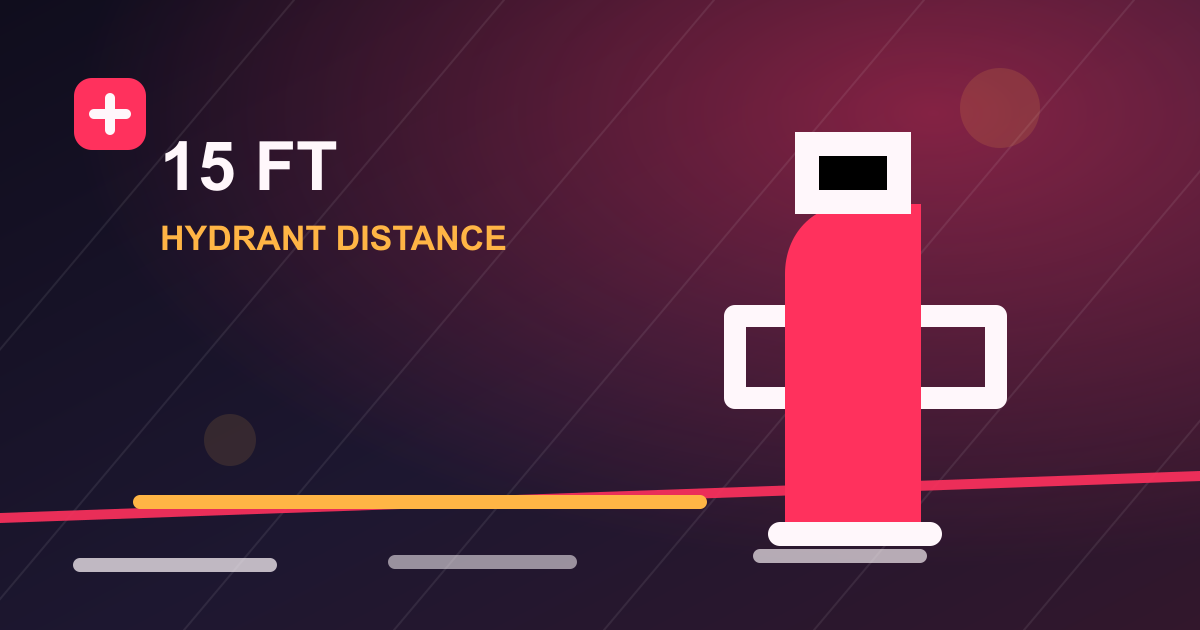
Rule #2 — Hydrants Have a Silent 15-Foot Radius (Even When You Can’t See It)
Hydrants are the invisible trap of NYC. Cars block the view, snow piles cover bases, and sometimes the hydrant blends into the building.
But the rule is simple:
15 feet. Always. Both sides. No exceptions.
Why this matters:
This is one of NYC’s most expensive mistakes.
Understanding the invisible radius helps drivers park calmer and cleaner — fewer sudden stops, fewer reverse-and-retry moments.
Rule #3 — Alternate Side Isn’t the Enemy, It’s a Schedule
Alternate Side Parking (ASP) takes the crown for causing stress, but it’s simply a rhythm:
Each street has its own routine
The rule applies at precise times
Outside those windows, life is yours again
Drivers who understand the rhythm stop racing the clock and start planning around it.
Rule #4 — Temporary Rules Matter More Than Permanent Ones
Construction signs, event notices, and temporary restrictions always override the permanent metal signs.
Most drivers miss them because:
They’re printed on paper
They’re attached lower on poles
They appear overnight
But knowing to always check for temporary updates removes the biggest source of surprise tickets.
Rule #5 — The Curb Tells a Story (You Just Need to Know What to Look For)
Sometimes the curb gives you clarity before the signs do:
Red or yellow paint
Broken lines
Gaps that hint at hydrant spacing
Where other cars avoid parking
Reading the physical cues helps drivers make decisions faster and cleaner, without circling or guessing.
SpotShop’s Winter Spotlight
Bonus Rule #6 — The “Rule Before the Rule” Trick
NYC drivers lose over 100 hours per year circling for parking (INRIX Global Mobility Study).
A big chunk of that wasted time comes from false positives — spots that look open but actually aren’t legal.
A 2023 NYC DOT report showed:
53% of parking tickets come from “misread or misunderstood signage.”
Hydrant violations alone lead to over 500,000 tickets per year, usually because the hydrant was obscured by cars or snow.
Before you even read a sign, check what the cars around you are not doing.
Drivers tend to avoid legal spots because of:
Hidden hydrants
Misread hours
A temporary sign nobody noticed
A misunderstood street sweeping window
The Trick:
If a full block is packed except for one clean open space, assume there’s a reason — and look again for a hidden rule.
Bonus Rule #7 — The 10-Second Curb Scan
A simple 10-second routine that instantly reduces stress:
1. Look for hydrants first (they’re the easiest trap).
2. Then find the nearest pole (your rule source).
3. Then scan the pavement (paint, lines, spacing).
4. Then check the pattern of cars (what they avoided).
5. Finally, confirm hours (active or not active).
This tiny ritual saves drivers:
Minutes of circling
Gas consumption
Tickets
Mental overload
The Bigger Picture: Stress-Free Parking = A Better Life Behind the Wheel
Understanding these (five) rules transforms the entire driving experience:
You save time
You save money
You burn less gas and reduce emissions
You feel more confident at the curb
You stop letting parking control your schedule
This is the quiet revolution happening across NYC:
Drivers moving smarter, calmer, and lighter through the city.
Ask Before You Park
Feel the difference of clarity before you even arrive.
Street rules, hydrants, and curb windows — all explained in a way that protects your time, your energy, and your peace. Learn more about Spotlink CurbAI
Stay One Step Ahead
Set simple reminders when a rule is about to activate. No stress. No rush. No surprises.
Drive with Purpose
Every smooth parking moment means less circling, fewer emissions, and a cleaner city for everyone.
FAQ
Can Spotlink tell me if parking is legal right now?
Spotlink helps drivers understand curb and parking conditions faster, but drivers should always confirm posted signs and local rules before leaving a vehicle.
Can Spotlink help reduce parking tickets?
Spotlink is designed to reduce uncertainty by helping drivers check curb rules, timing, and ticket-risk situations before they park.
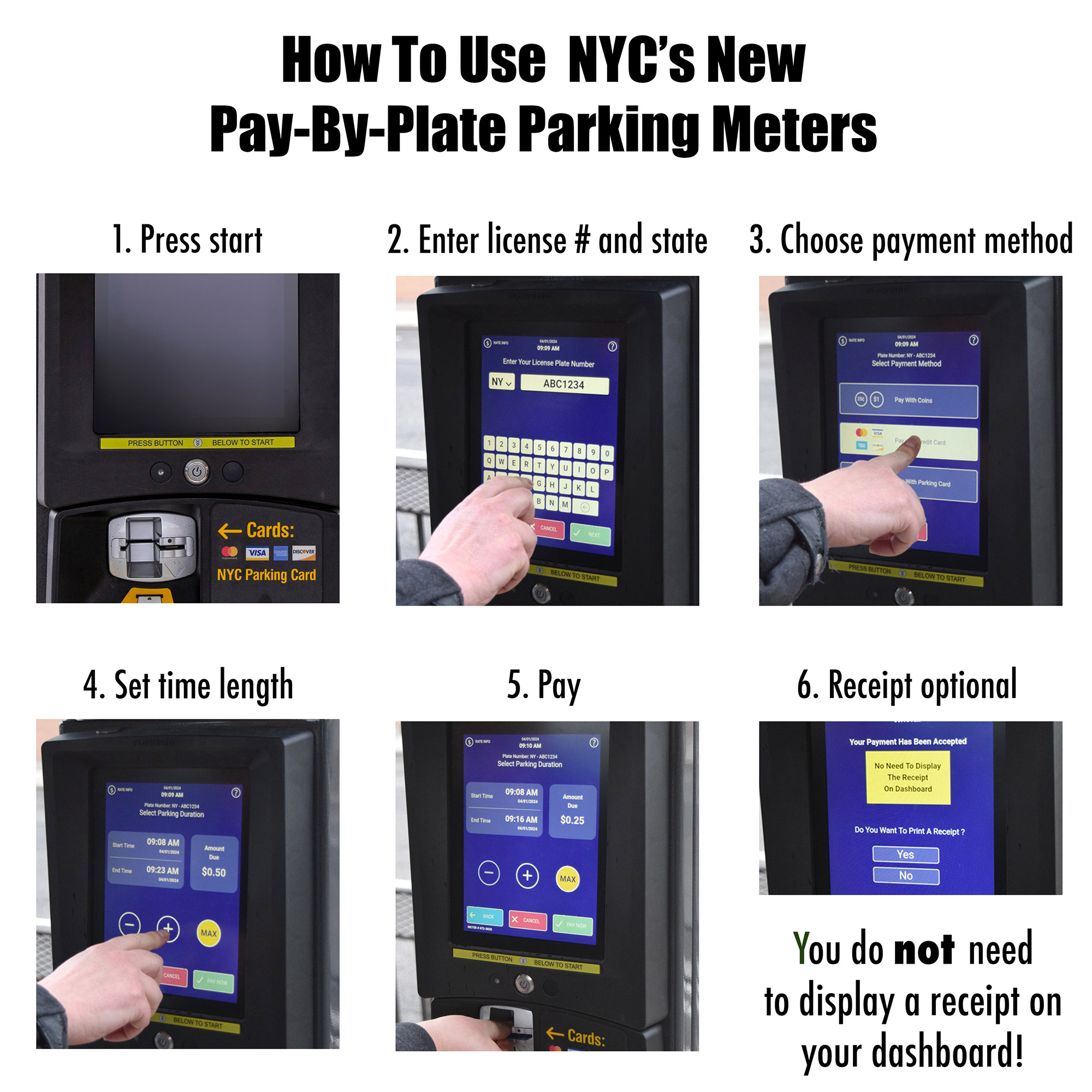
Check before you park
Before you leave your car, use Spotlink to check curb rules, timing, and ticket-risk situations in NYC.
Explore CurbAI, Ticket Guard, or start from the Spotlink homepage.
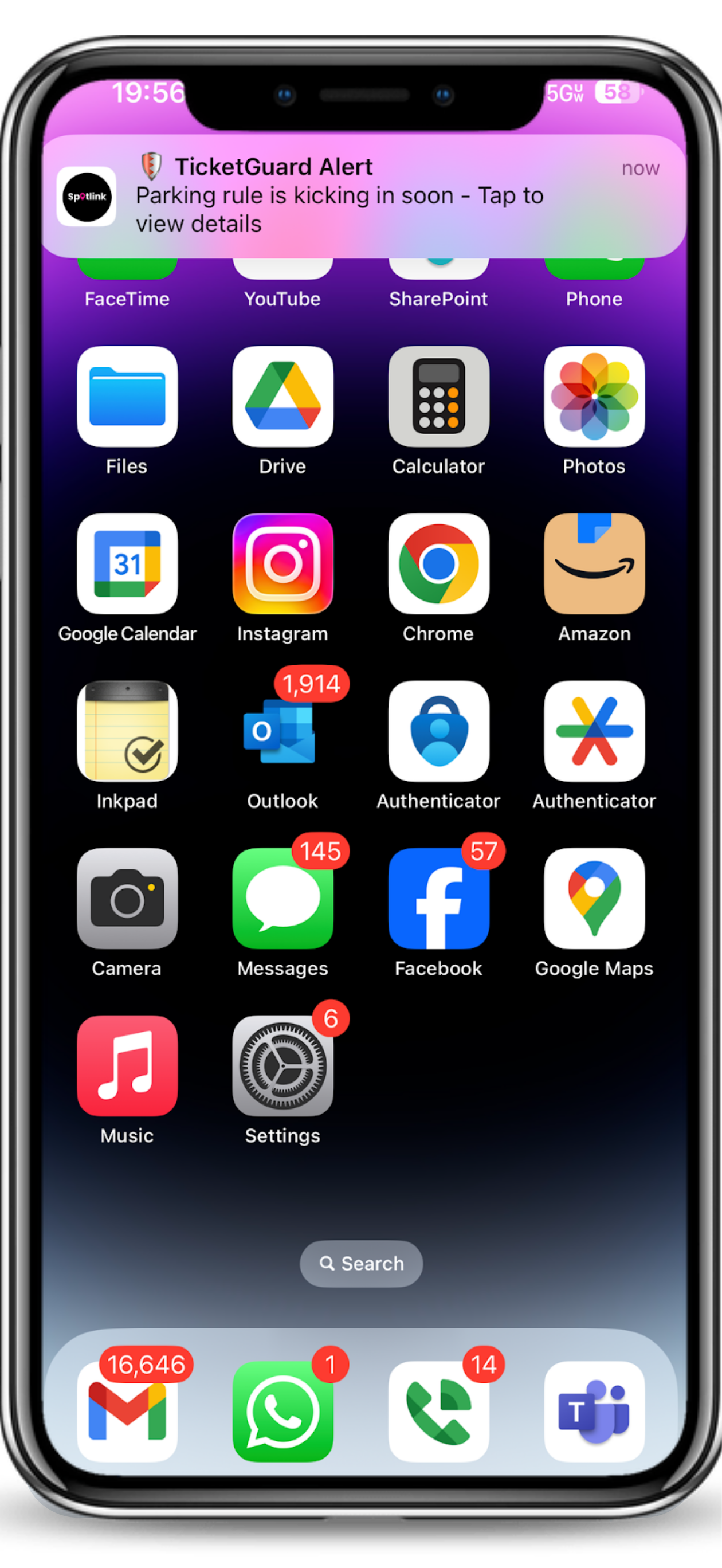
Driver check before parking
What it means
The practical question is whether the curb rule, timing, and street context still allow the driver to stop, wait, or park at that exact moment.
When the rule applies
Check the posted days and hours, the side of the street controlled by the sign, and whether a temporary notice or nearby restriction changes the normal rule.
Common mistake
The common mistake is trusting memory, another parked car, or a quick errand instead of reading the current block conditions.
Quick rule
If the sign, arrow, time window, or curb context is unclear, treat the space as risky until you verify the rule.
What to check
The exact sign and arrow that control the space.
The day, hour, vehicle type, and whether stopping, standing, loading, or parking is allowed.
Hydrants, bus stops, driveways, loading zones, meters, bike lanes, and temporary notices nearby.