How Drivers Waste 100 Hours, 30 Gallons of Gas, and Their Sanity Every Year
There’s a point in every urban driver’s day when the city stops moving — and everything collapses into one looping question:
“Where am I supposed to park?”
You’re already close to your destination: a friend’s apartment, a restaurant you’re late for, a school pickup zone vibrating with impatience. And then it begins — the familiar loop around the block. The slow roll past hydrants. The hopeful glide behind a car that might be leaving.
A delivery van swallows half the lane.
Your blinker keeps time like a metronome of frustration.
Someone behind you delivers that unmistakable honk meaning: decide, now.
Comedians joke about it.
Seinfeld built entire scenes around it (“The Parking Space").
And in one of the show’s most painfully accurate lines, George Costanza — patron saint of bad parking luck — proudly declares:
"A garage, I can't even pull in there! It's like paying for… Why should I pay, when if I apply myself, maybe I can get it for free?"
Every city driver has had a Costanza moment: that irrational-but-relatable stubbornness, the belief that the perfect free spot is out there if you just circle one more time.
But here’s the part sitcoms leave out:
For modern drivers, the hours are real — and the cost is huge.
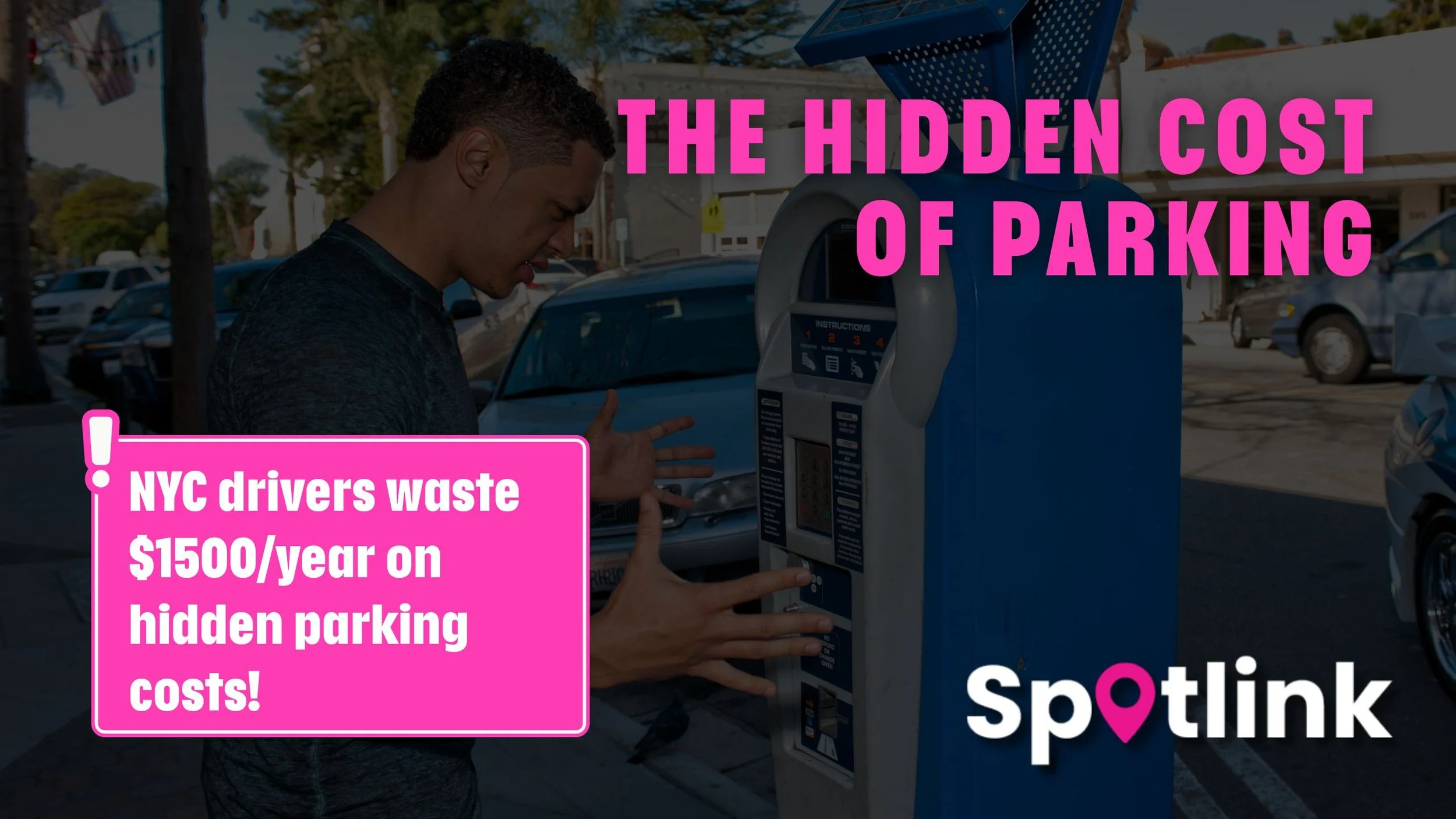
INRIX found that U.S. drivers lose 17 hours a year searching for parking, while New York City drivers lose over 100 hours annually.
That’s time, fuel, stress, and money disappearing into the asphalt.
This isn’t bad luck, and it isn’t personal failure. It’s a structural blind spot in how cities operate.
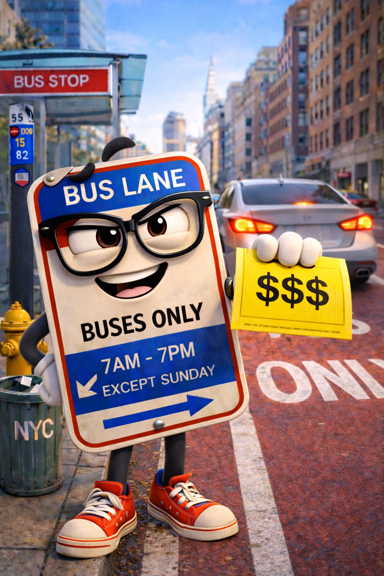
When One Full Block Breaks a Neighborhood
The worst part isn’t how long it takes you to find a spot. It’s how a single full block destabilizes entire neighborhoods.
The Federal Highway Administration notes cruising often makes up a meaningful slice of congestion — especially in crowded cores.
Federal Highway Administration
The pattern is nearly identical in every major U.S. city:
One block fills
Drivers spill into surrounding blocks
Those fill faster
Search radius expands
Congestion multiplies
This happens in:
Midtown Manhattan
Chicago’s River North
Miami’s Brickell and South Beach
Seattle’s Capitol Hill
San Francisco’s SoMa
Different skylines. Same problem.
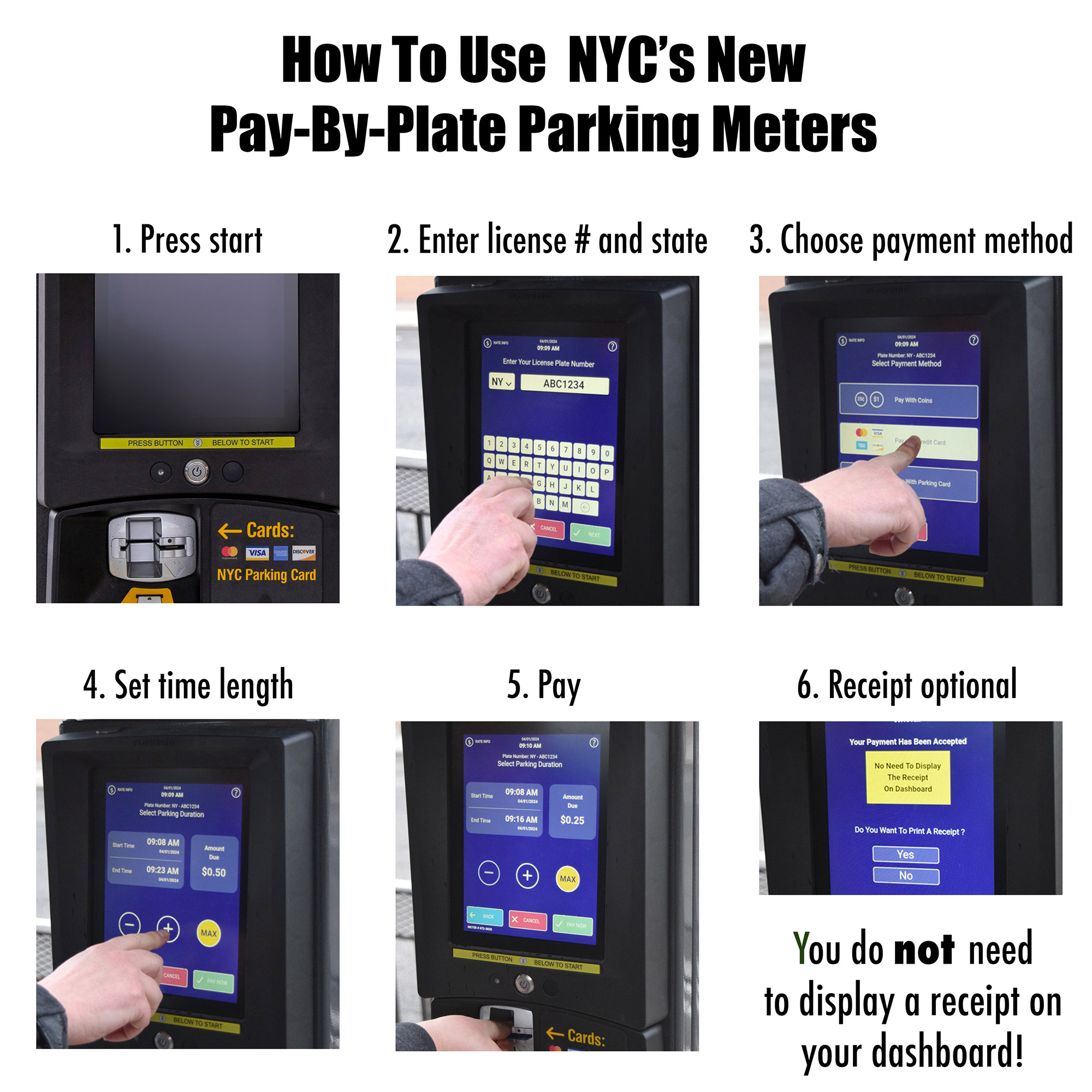
The Hidden Parking Tax: Time, Fuel, Money, Stress
Parking pain compounds into a real personal cost.
Nationally, the U.S. Department of Energy reports that idling from personal vehicles wastes 3 billion gallons of fuel per year, contributing 30 million tons of CO₂ annually.
U.S. Department of Energy AFDC
Cruising — slow, repetitive, unproductive — is part of that waste.
Zooming into the individual driver:
100+ hours/year wasted in the most congested cities (INRIX)
Dozens of gallons burned in low-speed circling
Worn brakes, tires, oil
Surprise tickets wiping out any “savings” from free curb space
And then there’s the mental side:
Showing up late
Arguing in the car
Feeling tension build as you enter a crowded block
Wondering, “Is this spot actually legal?”
It’s a tax no one voted on — but everyone pays.
By the Numbers: A Snapshot of Parking Pain
17 hours — average U.S. parking search time (INRIX)
https://inrix.com/press-releases/parking-pain-us/107 hours — average lost per NYC driver (INRIX)
https://inrix.com/press-releases/parking-pain-us/34% — downtown traffic that is cruising (Transfers Magazine)
https://transfersmagazine.org/magazine-article/issue-4/how-much-traffic-is-cruising-for-parking/3 billion gallons — fuel wasted by idling (DOE)
U.S. Department of Energy AFDC
Individually small. Collectively undeniable.
A 1980s Curb Trying to Run a 2025 City
Everything else in city life is real-time:
Rideshare ETAs
Delivery tracking
Transit arrivals
Breaking news alerts
Smart maps
Traffic heatmaps
But the curb — the end of the journey — still runs on:
Static metal signs
Paper rules
Unpredictable enforcement
Zero real-time visibility
NYC DOT publishes extensive mobility reports and planning documents:
NYC DOT
But for a driver circling at 7:14 p.m., none of that helps answer:
“Is anyone leaving right now?”. That’s the missing link.
The Shift: Driver-Powered Curb Intelligence
The breakthrough isn’t hardware buried in pavement or multi-million-dollar sensors.
It’s something far simpler:
Drivers already generate the data.
Every time someone returns to their car, starts it, and pulls away, a valuable real-time signal is created — and historically lost instantly.
Spotlink transforms that moment into clarity:
Real-Time Departures
See when another driver is about to leave a space.
https://www.spotlink.app
CurbAI™ Rule Detection
Instant interpretation of complex city parking signs.
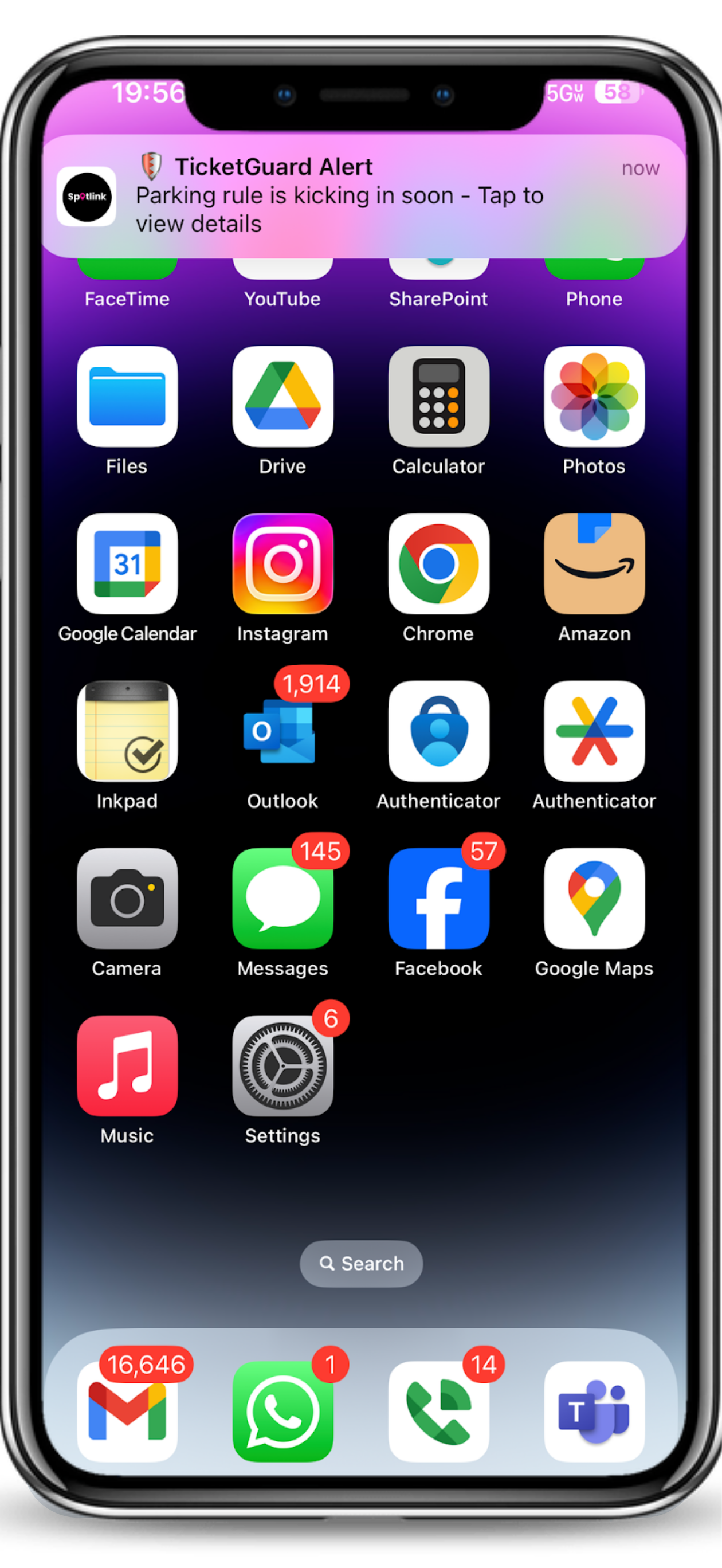
Ticket Guard™ Alerts
Notifications when rules change while you’re parked.
SpotShop: Gear Built for City Drivers
Your parking advantage isn’t just digital — it’s physical.
SpotShop curates jump kits, inflators, cables, emergency tools, and real-world essentials for unpredictable streets.
https://shop.spotlink.app
Spotlink doesn’t magically create more spaces. It makes sure that when a space opens… someone actually knows — and is ready for the road.
Taking Back Your 100 Hours
For years, parking stress has been framed as a personal failing.
“Just leave earlier.”
“Drive less.”
“Pay a garage.”
“Hope for luck.”
But the real issue is simpler: The problem isn’t the lack of space. It’s the lack of information.
With real-time visibility:
You avoid pointless loops
You reduce fuel waste
You understand curb rules clearly
You eliminate surprise tickets
You reclaim time the city quietly took
Cities won’t empty out. But they can get smarter.
And the difference between guessing where to park and knowing is the difference between losing 100 hours a year… and getting them back.
Ready to Park Smarter?
Start reclaiming the hours you’ve been losing.
Download Spotlink (Free):
https://www.spotlink.app
See real-time departures, decode rules with CurbAI™, and stay protected with Ticket Guard™ — all in one clean interface.
Need to Gear Up for Real-World Driving?
SpotShop curates the essentials every city driver needs: inflators, cables, jump kits, lights, and emergency-ready gear.
Explore SpotShop:
https://shop.spotlink.app
FAQ
Can Spotlink tell me if parking is legal right now?
Spotlink helps drivers understand curb and parking conditions faster, but drivers should always confirm posted signs and local rules before leaving a vehicle.
Can Spotlink help reduce parking tickets?
Spotlink is designed to reduce uncertainty by helping drivers check curb rules, timing, and ticket-risk situations before they park.
Driver check before parking
What it means
The practical question is whether the curb rule, timing, and street context still allow the driver to stop, wait, or park at that exact moment.
When the rule applies
Check the posted days and hours, the side of the street controlled by the sign, and whether a temporary notice or nearby restriction changes the normal rule.
Common mistake
The common mistake is trusting memory, another parked car, or a quick errand instead of reading the current block conditions.
Quick rule
If the sign, arrow, time window, or curb context is unclear, treat the space as risky until you verify the rule.
What to check
The exact sign and arrow that control the space.
The day, hour, vehicle type, and whether stopping, standing, loading, or parking is allowed.
Hydrants, bus stops, driveways, loading zones, meters, bike lanes, and temporary notices nearby.