
NYC Soccer Streets During World Cup: Parking Tips for Drivers
World Cup activity and soccer streets can make familiar NYC blocks behave differently. Temporary rules, crowds, school-street activity, barricades, and event timing can change where drivers should stop, wait, or park.
What it means
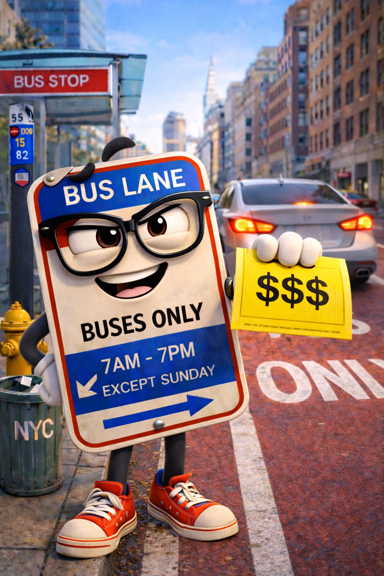
NYC Soccer Streets During World Cup: Parking Tips for Drivers is a curb-rule question, not just a parking-app question. The driver needs to know what the posted sign allows, when the rule applies, and whether the car can legally stay there while the driver walks away.
Why the rule exists
NYC streets combine time windows, arrows, parking signs, hydrants, loading zones, bus activity, school activity, and enforcement patterns. A space can look available and still be risky if the active rule is missed.
What you can do
Read the exact sign, match the day and time, follow the arrows, and confirm whether the rule allows parking, standing, loading, pickup, or no stopping at all. If the sign gives an exception, apply it only to the vehicle type and time listed.
What you cannot do
Do not assume another parked car proves the space is legal. Do not rely on hazard lights, memory, or a quick errand if the active sign says the curb is restricted.
When the rule applies
The rule applies during the posted days and hours, on the side of the street controlled by the sign. Temporary notices, holidays, construction, emergency work, and other nearby signs can change the decision, so verify official NYC rules when the situation is unclear.
Common mistake
A common mistake around World Cup NYC parking chaos: why drivers should ask before they park is trusting memory or copying what another driver did. The safer move is to read the current curb context before leaving the vehicle.
Quick rule
If the sign, time, arrow, or curb context is unclear, do not treat the space as safe. Check the rule first, then decide whether to park, stand, load, or keep moving.
What to check before leaving your car
The exact sign and arrow that control your space.
The day, time window, and vehicle type listed.
Nearby hydrants, bus stops, bike lanes, driveways, loading zones, meters, and temporary signs.
Whether the rule will change before you return.
How Spotlink helps
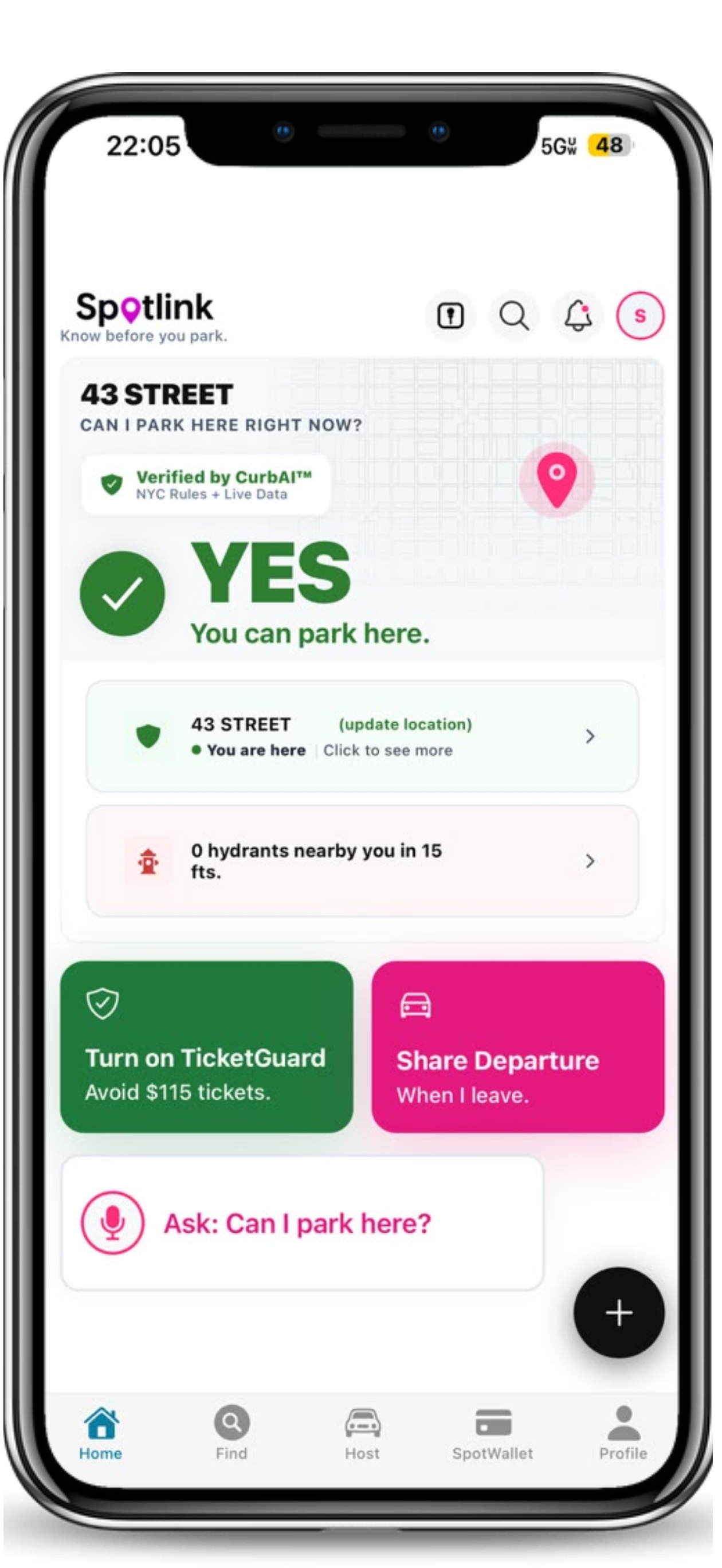
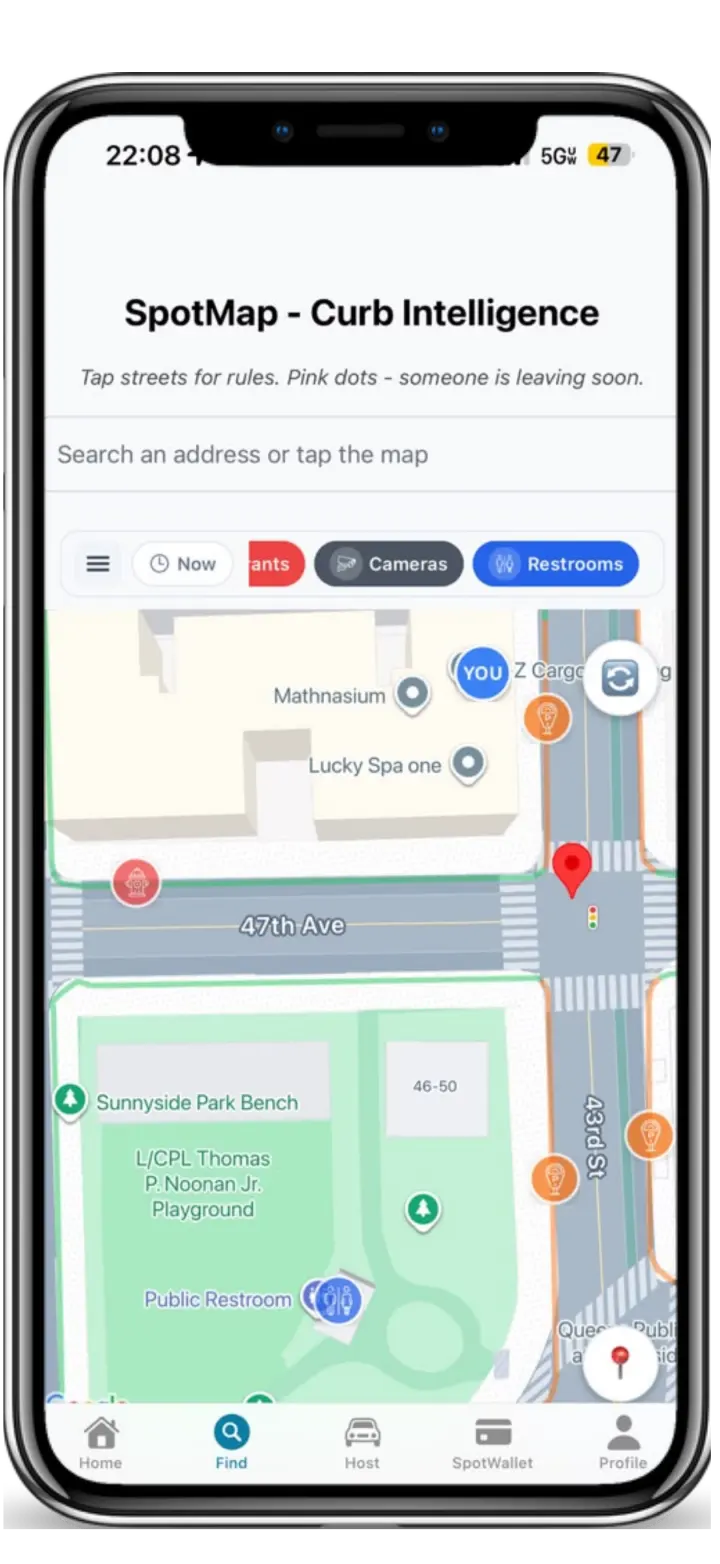
CurbAI helps drivers interpret parking signs and curb context before they commit to a space. Ticket Guard helps drivers stay aware of timing and ticket-risk situations after they park.
FAQ
What should I check first?
Check the exact sign, arrow, day, time, curb marking, and nearby restriction before walking away.
Can Spotlink tell me if parking is legal right now?
Spotlink helps drivers understand curb and parking conditions faster, but drivers should always confirm posted signs and local rules before leaving a vehicle.
Can Spotlink help reduce parking tickets?
Spotlink is designed to reduce uncertainty by helping drivers check curb rules, timing, and ticket-risk situations before they park.
Related Spotlink resources
Check before you park
Before you leave your car, use Spotlink to check curb rules, timing, and ticket-risk situations in NYC. Explore CurbAI, Ticket Guard, or start from the Spotlink homepage.
Check before you leave the car
Before you stop, park, or leave the car, check the curb risk with Spotlink.