
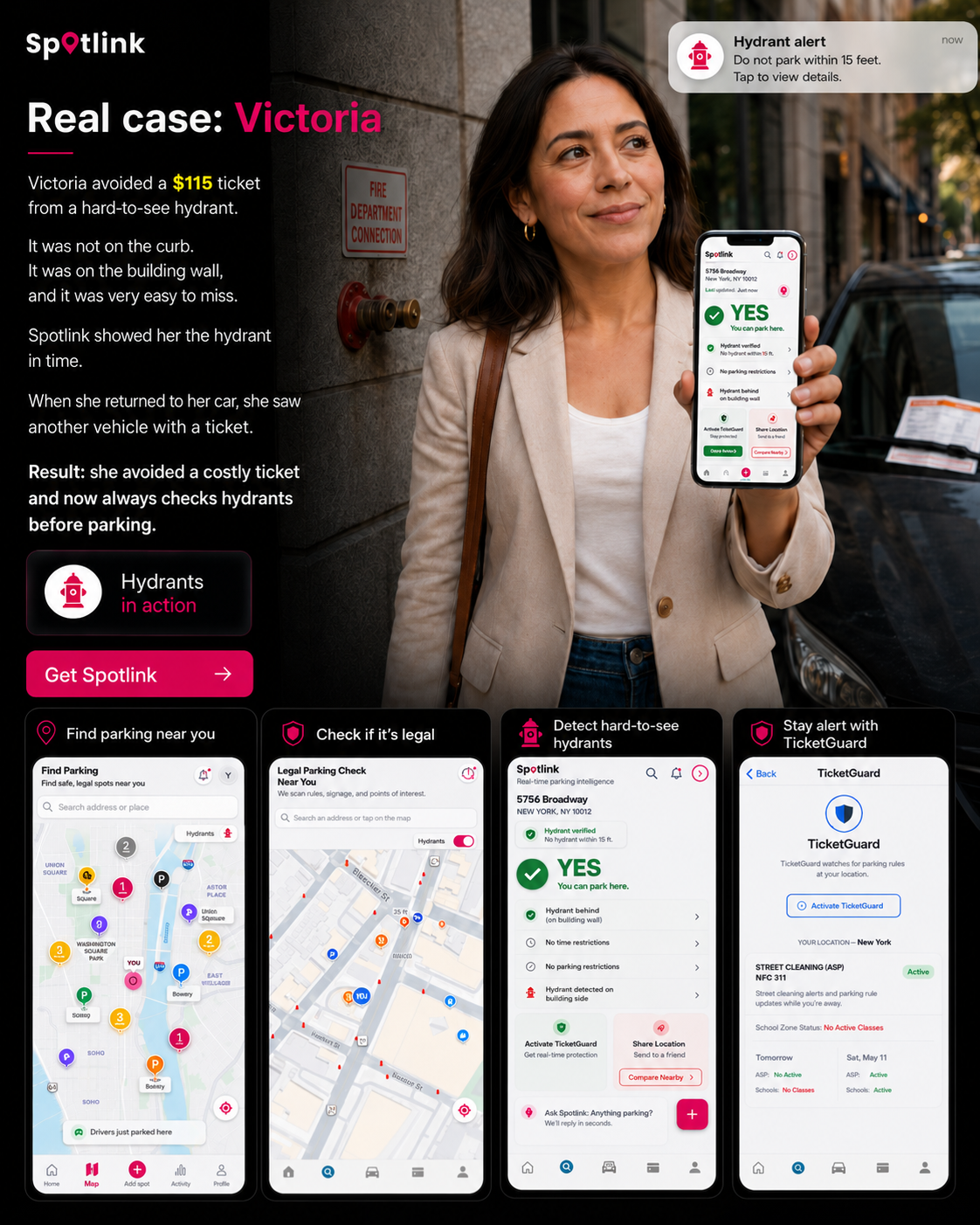
Direct answer: NYC Open Data’s Parking Violations Issued: Fiscal Year 2026 dataset contains 699,489 records with violation code 40. After normalizing the county labels, Brooklyn had the largest borough total, followed by Manhattan, Queens, the Bronx and Staten Island.
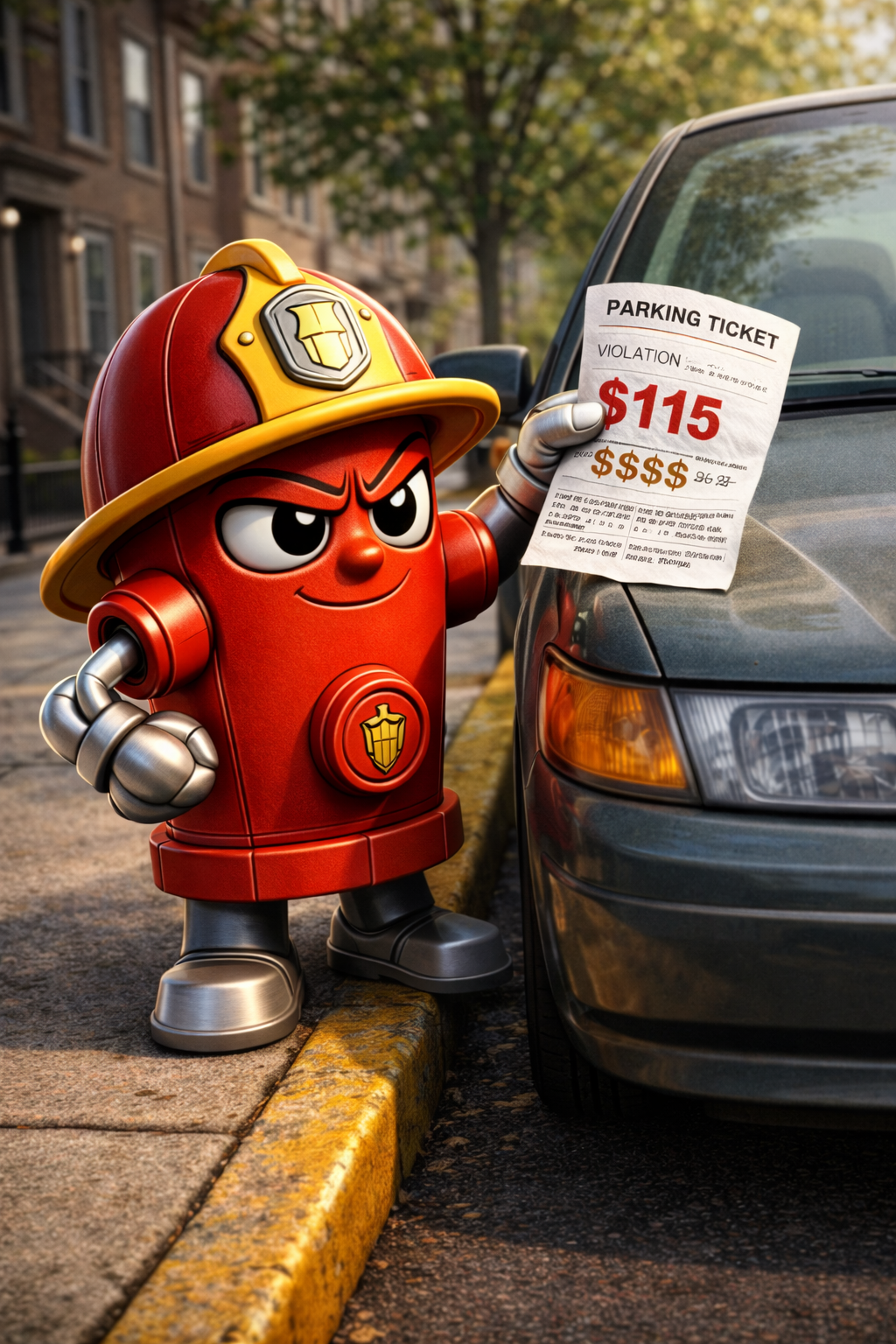
What violation code 40 means
The NYC Department of Finance defines code 40 as stopping, standing or parking closer than 15 feet from a fire hydrant. The table lists a $115 fine and describes a limited daylight exception for an attended passenger vehicle when standing is otherwise allowed.
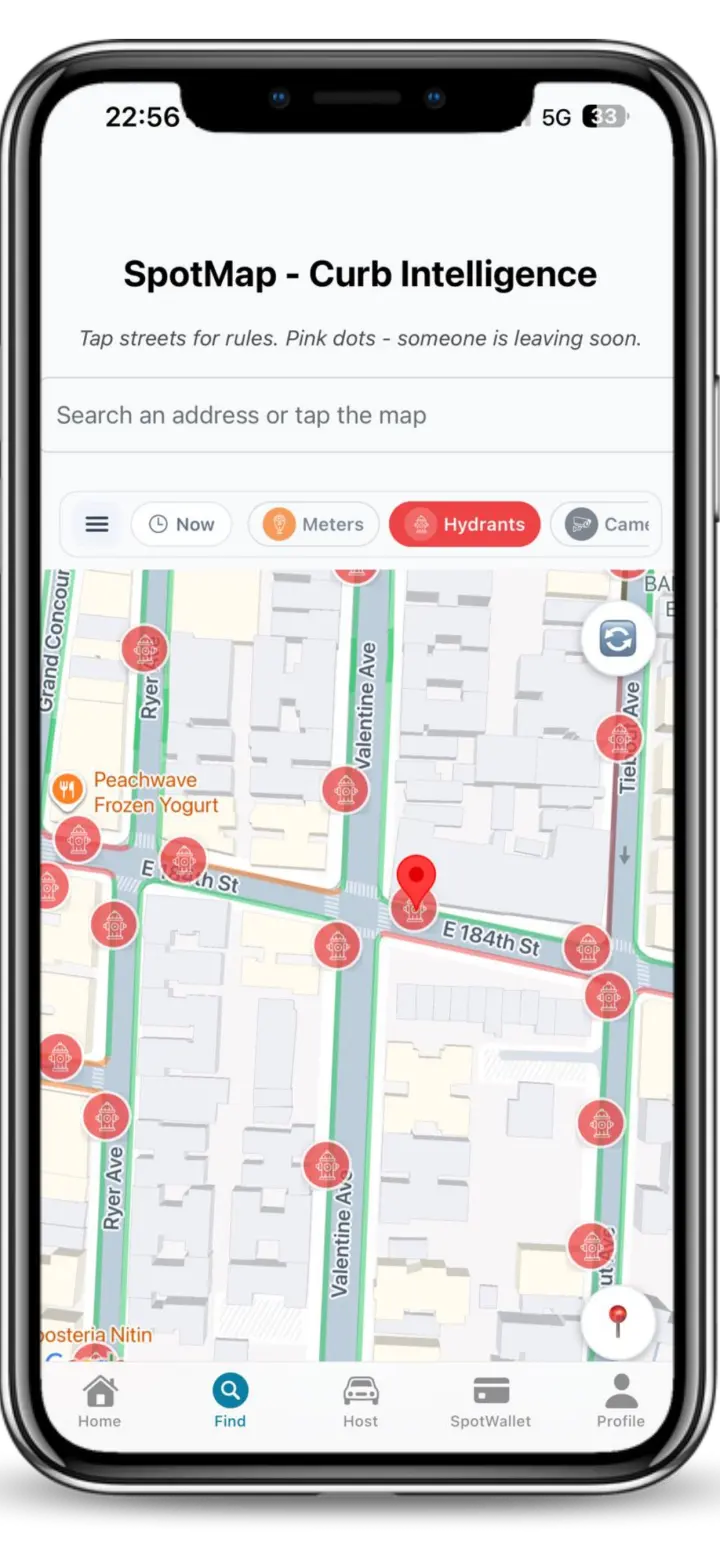
What is allowed and prohibited
You cannot park within 15 feet of a fire hydrant. Between sunrise and sunset, the official code table says a passenger vehicle may stand alongside a hydrant only when the driver remains behind the wheel, is ready to move, and standing is not otherwise prohibited. That exception does not allow the driver to park and walk away.
The code-40 dataset and fine table do not report New York DMV points, towing outcomes or other consequences for each record. This analysis therefore makes no claim about DMV license points, whether a vehicle was towed, or what happened after each summons.
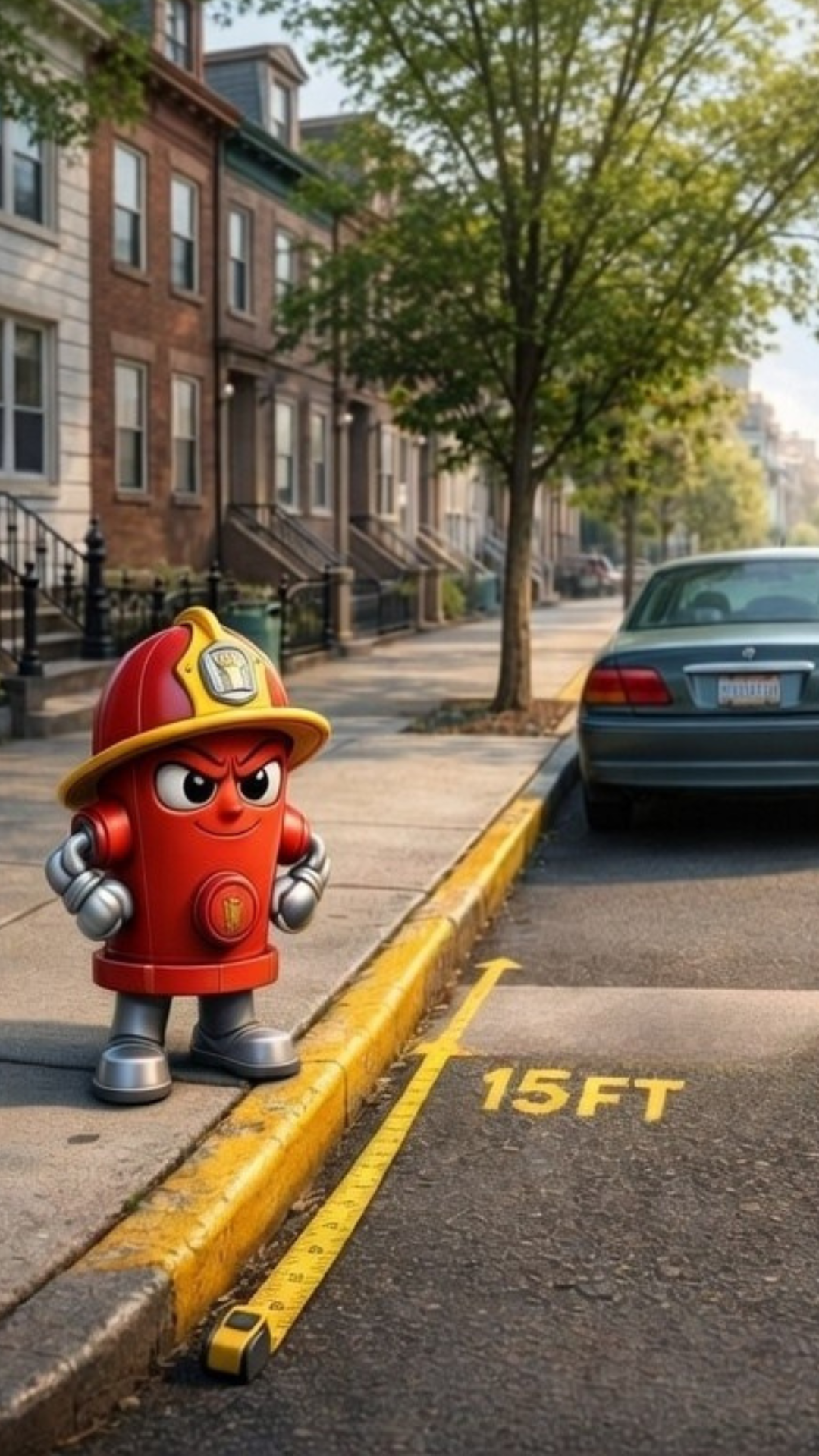
FY2026 hydrant summons records by borough
| Borough | Code-40 records | Share of citywide total |
|---|---|---|
| Brooklyn | 204,185 | 29.2% |
| Manhattan | 189,485 | 27.1% |
| Queens | 172,170 | 24.6% |
| Bronx | 117,179 | 16.8% |
| Staten Island | 7,056 | 1.0% |
| Unassigned or other county code | 9,414 | 1.3% |
These are summons records in the dataset, not a count of unique drivers, vehicles or hydrants. The borough totals describe where tickets were recorded, not why drivers parked there or whether every summons was ultimately sustained.
Methodology
Dataset: NYC Open Data, “Parking Violations Issued - Fiscal Year 2026,” dataset ID pvqr-7yc4. The dataset period is July 1, 2025 through June 30, 2026.
Filter all rows where
violation_code = 40.Count the filtered rows for the citywide total.
Group the same rows by
violation_county.Normalize equivalent labels:
KandKingsas Brooklyn;QandQnsas Queens;BXandBronxas the Bronx;RandRichas Staten Island.NYrepresents Manhattan.Keep blank and unrecognized county values in a separate “unassigned or other” group instead of guessing.
Query date: August 8, 2026. Counts can change if NYC corrects or republishes source records.
What this analysis does not prove
It does not prove hydrant tickets were NYC’s most-issued violation.
It does not measure the number of blocked hydrants or unique drivers.
It does not adjust for population, curb mileage, vehicle registrations or enforcement intensity.
It does not determine guilt, payment, dismissal or appeal outcome.
Why the number still matters to drivers
Hundreds of thousands of records show that hydrant distance is a recurring and costly parking problem. A hydrant can be hard to see behind a vehicle, tree, wall or street furniture, especially at night. The visual pain is simple: that hydrant you did not see still matters.
Use Spotlink’s hydrant guide and CurbAI to review the context before walking away. Spotlink provides guidance; the posted conditions and official NYC rules control the decision.
Example driver scenario
A driver sees an open curb at night, but a hydrant is partly hidden behind a parked van. The space can still produce a code-40 ticket if the car is within 15 feet. The safer move is to check the full curb and choose another space instead of estimating from the driver’s seat.
FAQ
How many fire-hydrant ticket records were in the FY2026 dataset?
The query returned 699,489 rows with violation code 40.
Which borough had the most code-40 records?
Brooklyn had 204,185 normalized records, or 29.2% of the citywide total.
Does this mean hydrant tickets are the number-one NYC violation?
No. This analysis does not rank code 40 against every other violation.