
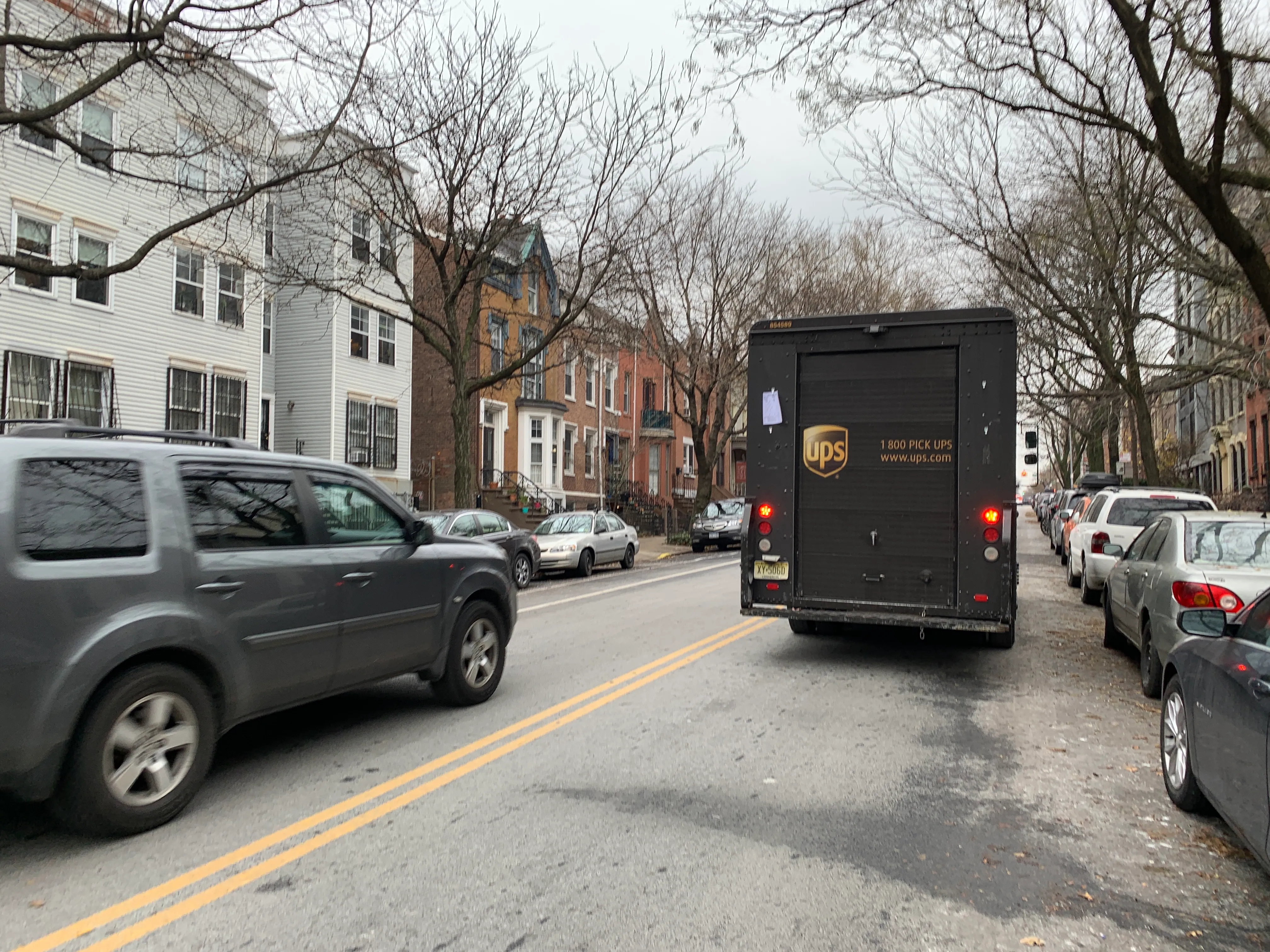
NYC Double Parking Rules: What Drivers Get Wrong
Direct answer: Double parking means stopping or standing on the roadway side of a vehicle already at the curb. Passenger vehicles may not double park in NYC—not for passenger pickup, deliveries, alternate side parking, or “just one minute.” The standard code 46 fine is $115 citywide.
Driver impact
Typical violation: code 46, double parking.
Current base fine: $115 citywide.
NY DMV points: 0. Code 46 is a parking violation.
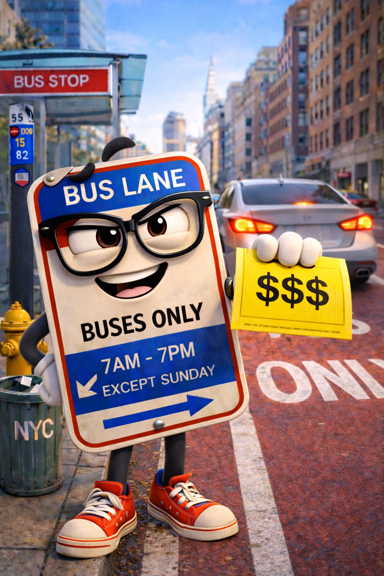
Other consequence: the vehicle may be towed. Blocking a bike lane, bus lane, traffic lane, or emergency access can create additional enforcement risk.
What passenger-vehicle drivers cannot do
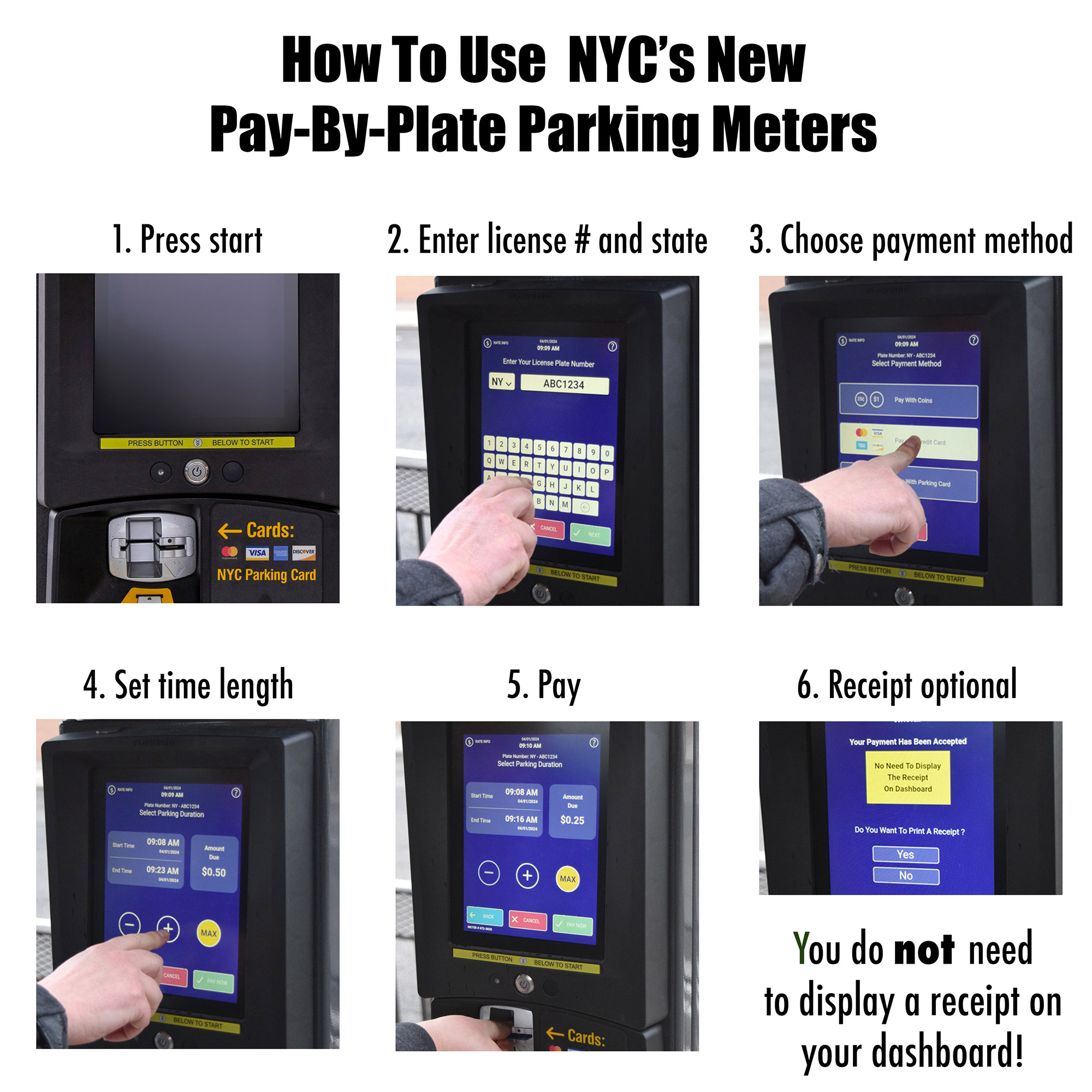
Wait beside a parked vehicle while a passenger comes outside.
Use hazard lights as permission to stop in the travel lane.
Double park during alternate side cleaning because curb spaces are temporarily unavailable.
Leave the vehicle for a delivery or errand.
Examples
Quick passenger pickup
You stop beside parked cars while the passenger walks to you. That is still double parking and is not allowed for a passenger vehicle.
Alternate side parking
You move away from the curb and wait beside the parked row for the sweeper. NYC DOT states that passenger vehicles may not double park during street cleaning.
Delivery van
A qualifying commercial vehicle may use the narrow code 46 exception only when every condition is met. A passenger plate or delivery purpose by itself does not create the exception.
The limited commercial-vehicle exception
NYC's code 46 description permits a commercial vehicle to stand alongside a curbside vehicle while quickly making a pickup, delivery, or service call only where stopping, standing, and parking are otherwise allowed and no parking space or marked loading zone is available on either side of the street within 100 feet.
The exception does not allow double parking in the Midtown Manhattan area from 14th to 60th Streets, First through Twelfth Avenues, during the code 47 hours of 7 a.m. to 7 p.m. daily except Sundays. Other restrictions can also make the stop illegal. Commercial drivers should verify the full current rule before relying on the exception.
What to do instead
Continue to a legal curb space or designated loading zone.
Do not block bike lanes, bus lanes, travel lanes, hydrants, crosswalks, or driveways.
For commercial activity, confirm plate/vehicle status, the 100-foot condition, location, time, and all posted rules.
If a passenger is not ready, use a legal waiting location.
Common questions
Do hazard lights make double parking legal?
No. Hazard lights warn other road users; they do not create parking permission.
Does a double-parking ticket add DMV points?
No. It adds 0 NY DMV points, but the $115 fine and possible towing still matter.
Can an Uber, Lyft, or delivery driver use the commercial exception?
Do not assume app-based work qualifies. The exception depends on the vehicle's commercial status and every listed condition, not the driver's occupation alone.
Official sources
NYC Department of Finance: Code 46 and Code 47
NYC DOT: Parking Regulations
NY DMV: Driver Point System
NYPD: Towed Vehicles
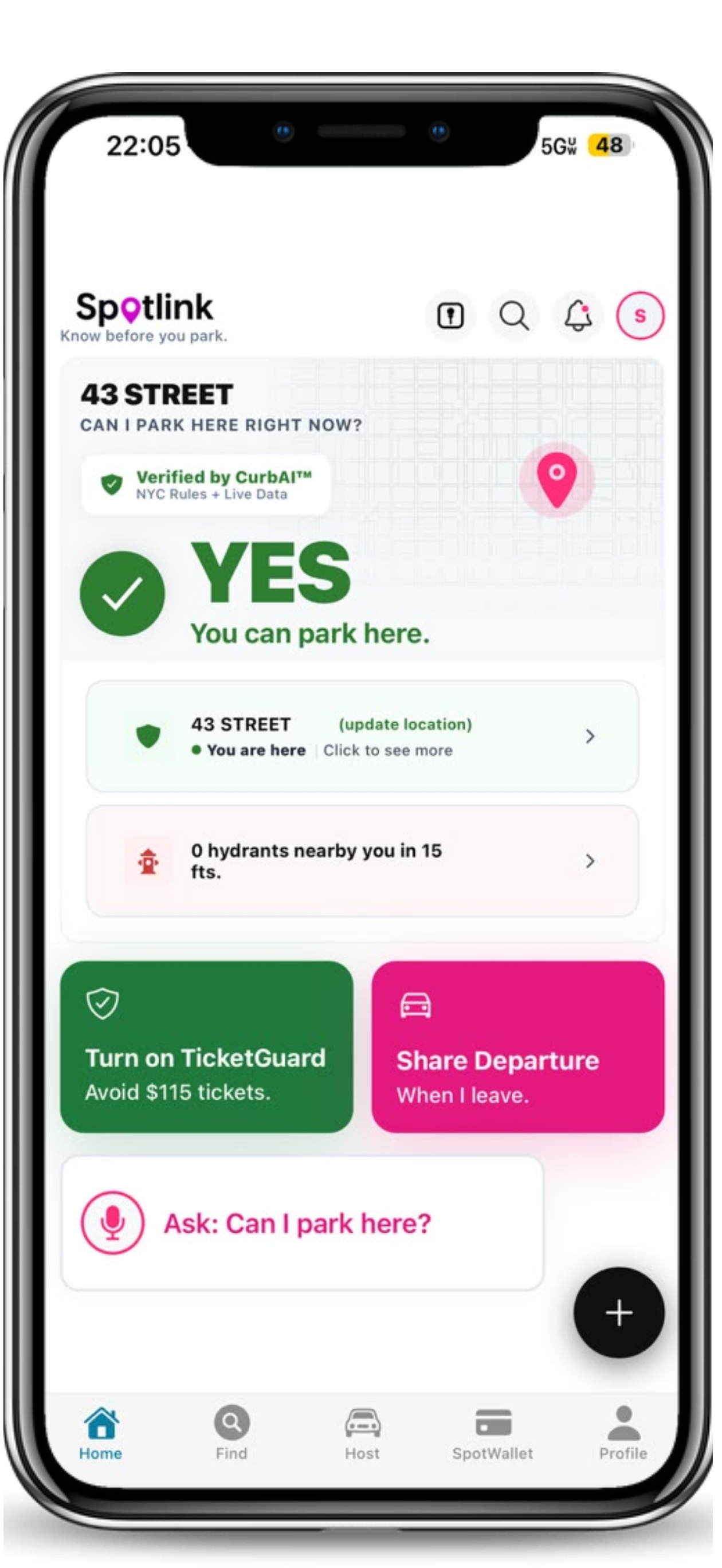
After you understand the rule, CurbAI can help you check nearby restrictions before choosing a stopping location. Official signs and rules remain the authority.