
NYC Parking Rules for Beginners
If you’re new to parking in New York City, the rules can feel overwhelming. Signs stack, arrows point different directions, and enforcement changes by hour. The good news: once you learn a simple system, most tickets are easy to avoid.
This beginner-friendly guide explains the core NYC parking rules you need to know before leaving your car.
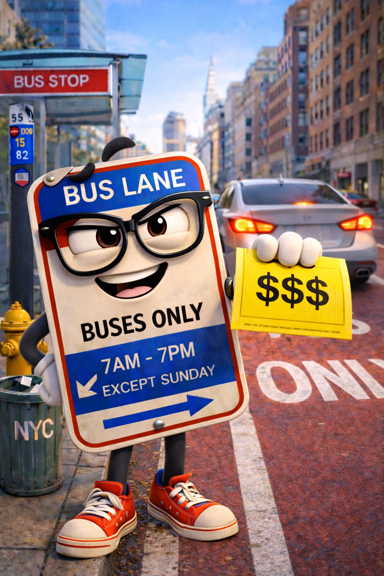
Quick Answer
To park legally in NYC, beginners should always check for fixed no-parking zones first, read every sign on the pole, match rules to the current time and day, and follow arrow directions exactly. If any active rule applies right now, parking is not allowed.
Why NYC Parking Is Confusing for Beginners
NYC parking signs often combine multiple rules into one place. A single pole may control parking for different days, times, vehicle types, and curb segments.
Most beginner tickets happen because drivers:
Read only one sign instead of all signs
Ignore arrow directions
Assume weekends or holidays are free
Miss time-based changes
NYC Parking Rules: The Beginner Checklist
Step 1: Check for Always-Illegal Zones
Before reading any sign, scan for places you can never park:
Fire hydrants
Crosswalks and corners
Bus stops and bus lanes
Bike lanes
Driveways and curb cuts
Step 2: Read Every Sign on the Pole
Never rely on just one sign. NYC poles often have multiple signs stacked vertically, each with a different rule.
Step 3: Understand Rule Types
No Stopping: You cannot stop at all
No Standing: You cannot stop, even if you stay in the car
No Parking: Brief loading may be allowed, but leaving the car is not
Step 4: Match Rules to the Current Time and Day
Most NYC parking rules only apply during certain hours. A spot that’s legal now may be illegal later the same day.
Step 5: Follow Arrow Directions
Arrows show where a rule begins and ends. Ignoring arrows is one of the fastest ways beginners get ticketed.
Step 6: Watch for Street Cleaning and Meters
Street cleaning and metered parking are the most common ticket triggers. Always check whether they’re active today and right now.
Step 7: Look for Temporary Signs
Construction, filming, events, or emergency signs override regular rules — even if the spot was legal yesterday.
Beginner Mistakes to Avoid
Assuming hazard lights make parking legal
Parking “just for a minute” in No Standing zones
Ignoring the second sign on the pole
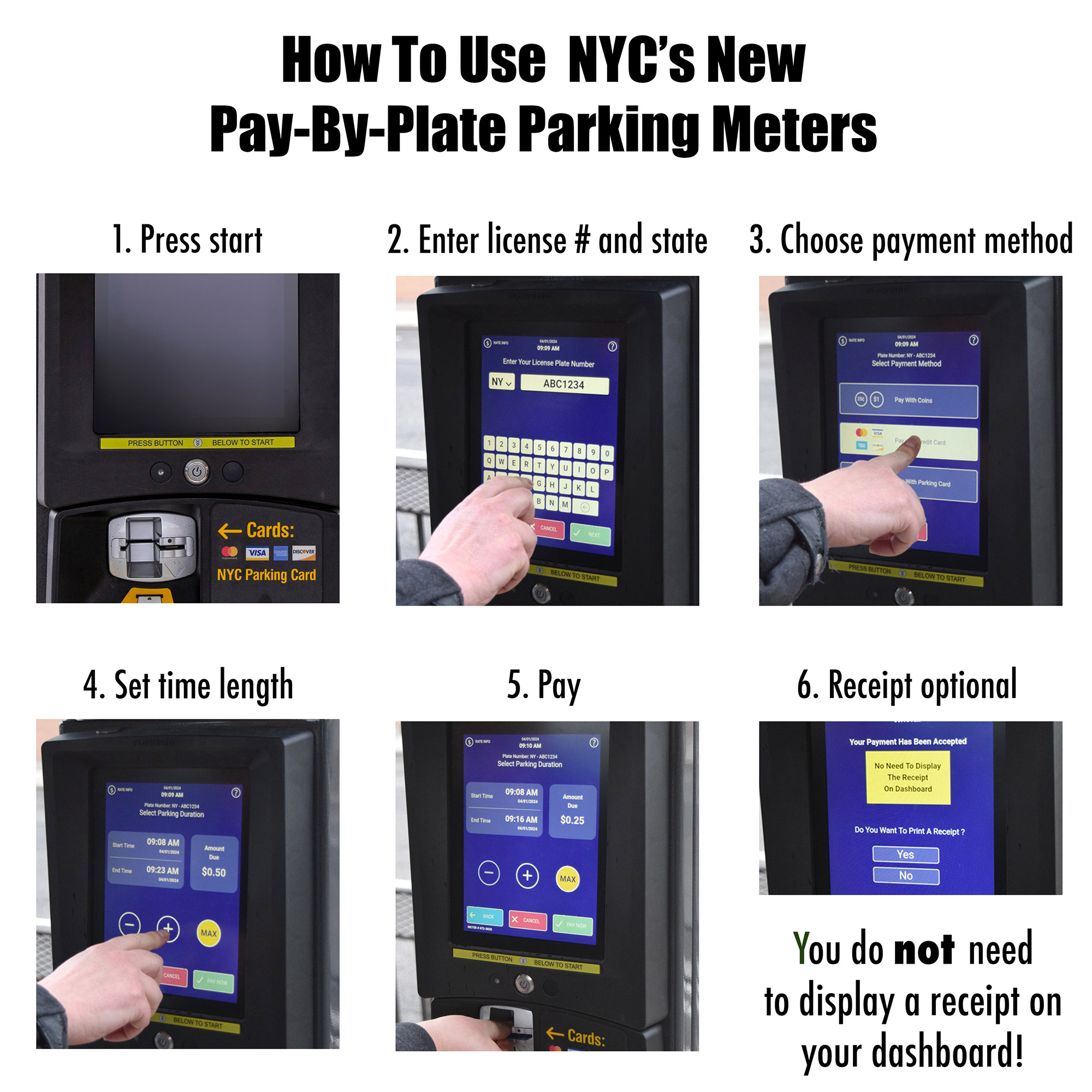
Paying a meter but missing another restriction
Forgetting rules change by time of day
Want Parking Rules Explained Clearly?
Learning NYC parking takes time. Many drivers use tools that interpret curb rules clearly so they don’t have to decode signs every time.
CurbAI™ helps interpret complex parking signs and curb rules so you don’t have to guess.
Ticket Guard™ helps alert drivers before time-based rules begin, reducing surprise tickets.
Real-world guides help you learn the patterns drivers miss most often.
Final Thoughts
NYC parking rules aren’t impossible — they’re just layered. Once beginners learn to check zones, signs, arrows, and time windows in the right order, parking becomes far less stressful.
If something feels unclear, assume enforcement and verify before walking away. That habit prevents most beginner mistakes.
FAQ
Is NYC parking hard for beginners?
It can be at first, but learning a simple checklist makes it manageable.
Do parking rules change by time of day?
Yes. Many restrictions only apply during specific hours.
Are weekends easier for parking?
Sometimes, but many rules still apply. Always read the sign.
Does paying the meter mean I’m safe?
No. Other restrictions may still apply even if the meter is paid.
What’s the safest beginner habit?
Read every sign, follow arrows, and assume enforcement if unsure.