
NYC Soccer Streets During World Cup: What Drivers Should Know
World Cup events can make ordinary NYC blocks feel different fast. When a school block becomes a Soccer Street or hosts temporary activity, drivers should slow down, read the signs, and avoid treating yesterday's curb conditions as today's rules.
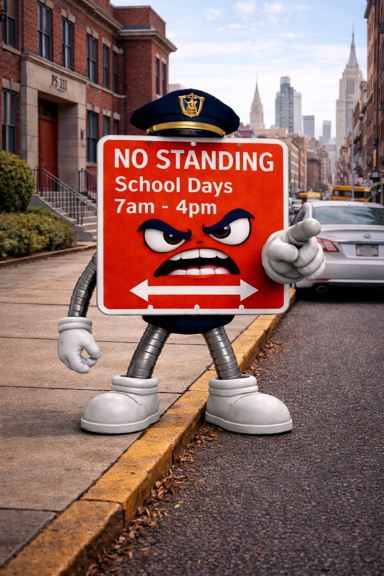
NYC announced Soccer Streets tied to World Cup activities at 50 public schools. For drivers, the useful takeaway is not politics. It is that school-block activity, Open Streets-style closures, and temporary curb changes can affect where stopping, standing, loading, or parking makes sense.
What drivers need to know
Soccer Streets are school-block activations connected to World Cup programming. They are not a blanket rule that every listed street is closed all day or permanently. Timing, location, setup, and curb access can vary by block and event.
Before stopping near a school street or World Cup activation, check posted signs, temporary notices, school-hour restrictions, traffic control, and official NYC or DOT updates. If a block has event activity or temporary car-free space, assume curb access may be different until you confirm otherwise.
Why this matters in NYC
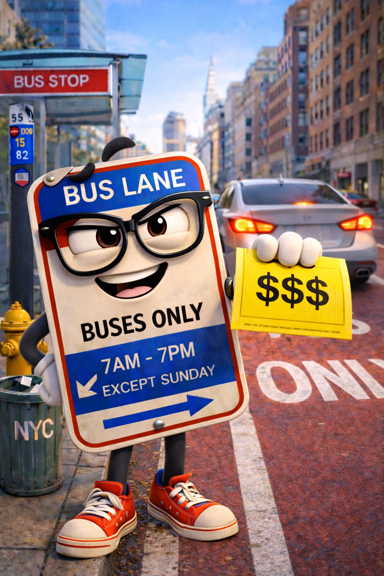
NYC curb rules already overlap: school zones, bus activity, loading needs, hydrants, alternate side timing, No Standing signs, and temporary event restrictions can sit on the same block. A Soccer Street adds another reason to check the current context before leaving a vehicle.
Drivers may also see more pedestrian activity, families, students, vendors, deliveries, and short-term traffic control near participating schools. That can create confusion around whether a quick stop is acceptable, whether loading is allowed, or whether a space that looks open is actually usable.
Common parking mistake
The common mistake is treating a school-block activation like a normal parking day. A driver may see an open curb, miss a temporary sign, or copy another vehicle and walk away. That is risky when the block may have school-street restrictions, event timing, or temporary curb access changes.
Another mistake is assuming a news headline gives the full parking answer. It does not. Drivers still need the exact sign, date, time, block condition, and official update for the location where they want to park.
How Spotlink helps
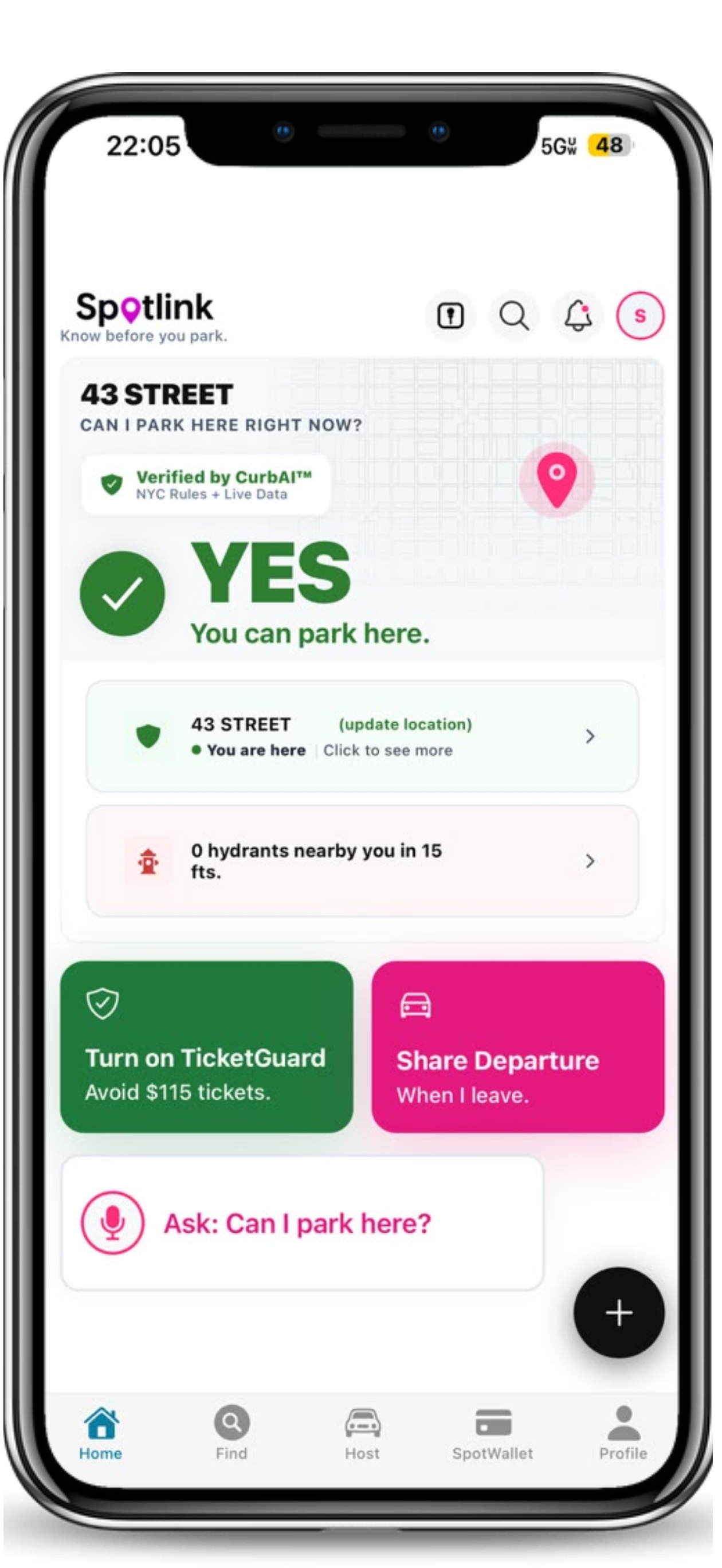
CurbAI helps drivers think through signs and curb context before they commit to a space. For a Soccer Streets block, that means checking the rule, the time window, the school-street context, and whether temporary activity changes the parking decision.
Ticket Guard helps drivers stay aware of timing and ticket-risk situations after they park. When a block has event activity or changing curb conditions, that extra reminder layer matters.
FAQ
Are all 50 Soccer Streets closed all day?
No. Treat Soccer Streets as location-specific and time-specific activations. Check posted signs and official updates for the exact block before parking.
Can I stop briefly near a Soccer Street?
Only if the posted rules and current conditions allow it. School-street activity, temporary restrictions, and traffic control can change what is safe or allowed.
Is this legal advice?
No. This is a driver guide. Always confirm posted signs, official NYC/DOT updates, and current block conditions before leaving a vehicle.
Related Spotlink resources
Check before you park
Before you leave your car near a school block or World Cup activity, use Spotlink to check curb rules, timing, and ticket-risk situations in NYC. Explore CurbAI, Ticket Guard, or start from the Spotlink homepage.