
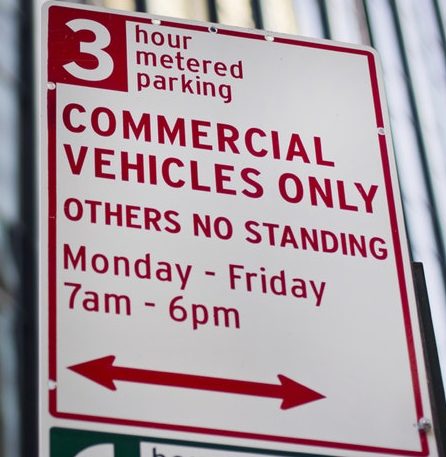
No Standing vs No Parking NYC: What Drivers Get Wrong
No Standing and No Parking sound similar, but in NYC they control different driver behavior. The mistake is assuming that staying in the car, turning on hazards, or stopping "just for a minute" makes the space safe.
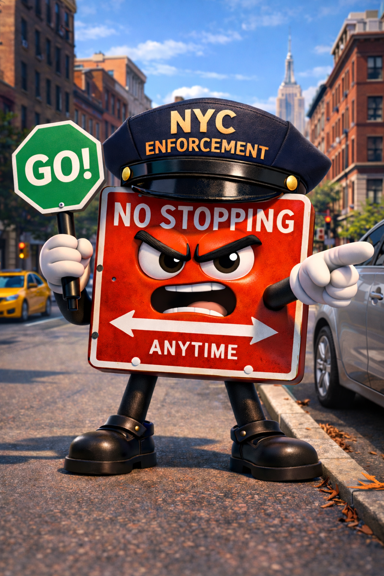
What it means
No Parking usually means you cannot leave the car parked there. Depending on the exact sign, you may be able to stop briefly for a permitted action, but you should not treat the curb as a normal parking space.
No Standing is stricter. It usually means you cannot wait at the curb, even if you stay inside the car. A quick passenger pickup or drop-off may be allowed if the sign does not say otherwise, but waiting is risky.
Why the rule exists
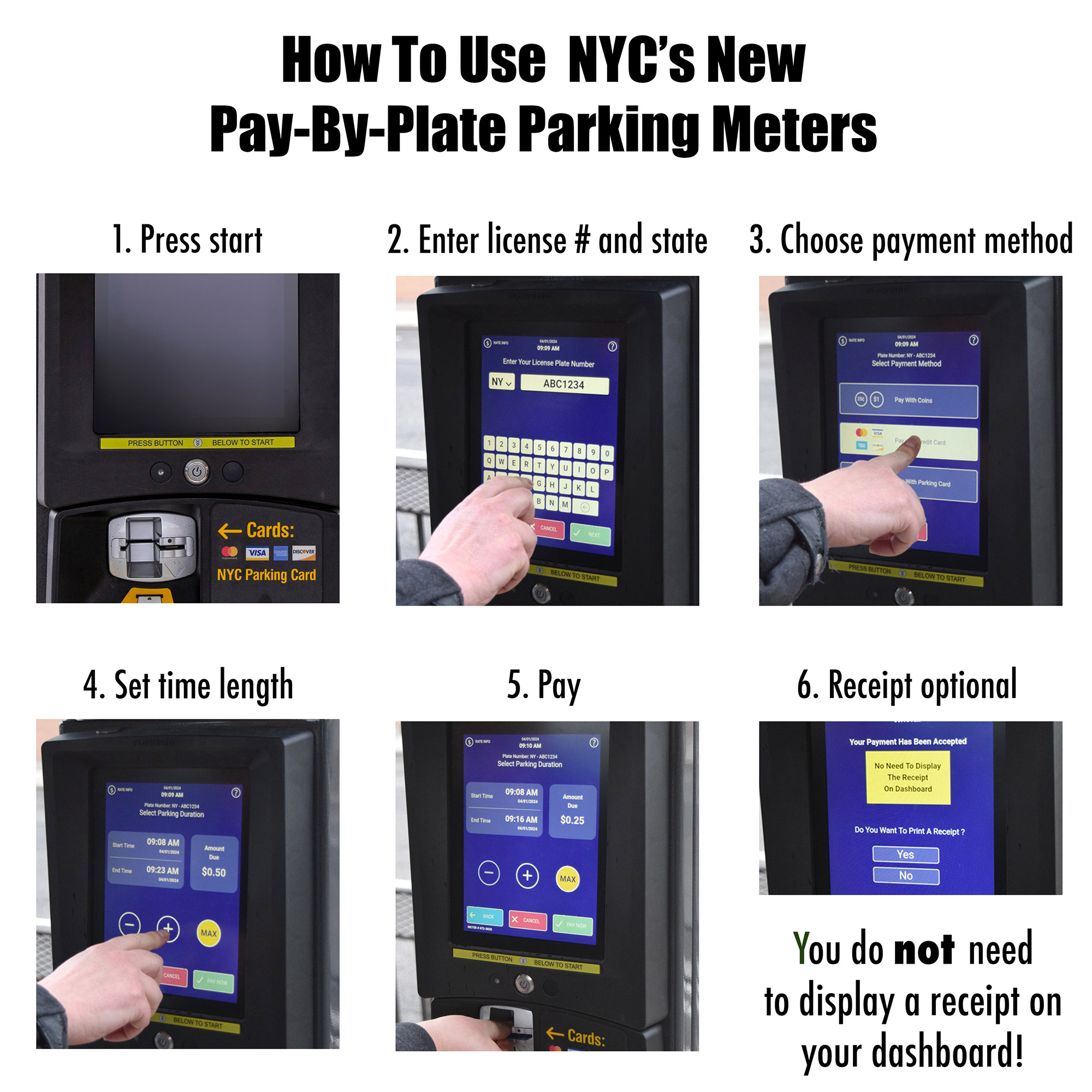
NYC streets combine time windows, arrows, curb uses, bus activity, hydrants, loading zones, and enforcement patterns. A legal-looking space can still be risky if the driver misses the active rule.
What you can do
Under No Parking, a brief stop for passenger pickup, passenger drop-off, or a permitted loading action may be allowed depending on the exact sign and situation. Under No Standing, the usual safe assumption is passenger pickup or drop-off only, and only if it happens immediately.
What you cannot do
Do not leave the car in a No Parking zone during the active hours. Do not wait in a No Standing zone for someone to come outside, finish shopping, or load packages. Hazards and a running engine do not erase the rule.
Common mistake
A common mistake around No Standing vs No Parking in NYC is trusting memory or copying what another parked car did. The safer move is to read the current curb context before leaving the car.
Quick rule
No Parking: do not leave the car parked. No Standing: do not wait. No Stopping: do not stop unless traffic, an emergency, or an official direction requires it.
What to check before leaving your car
The exact wording on the sign.
The active day and time window.
Any arrows showing where the rule applies.
Nearby hydrants, bus stops, driveways, loading zones, and temporary signs.
Whether you are stopping briefly or leaving the car.
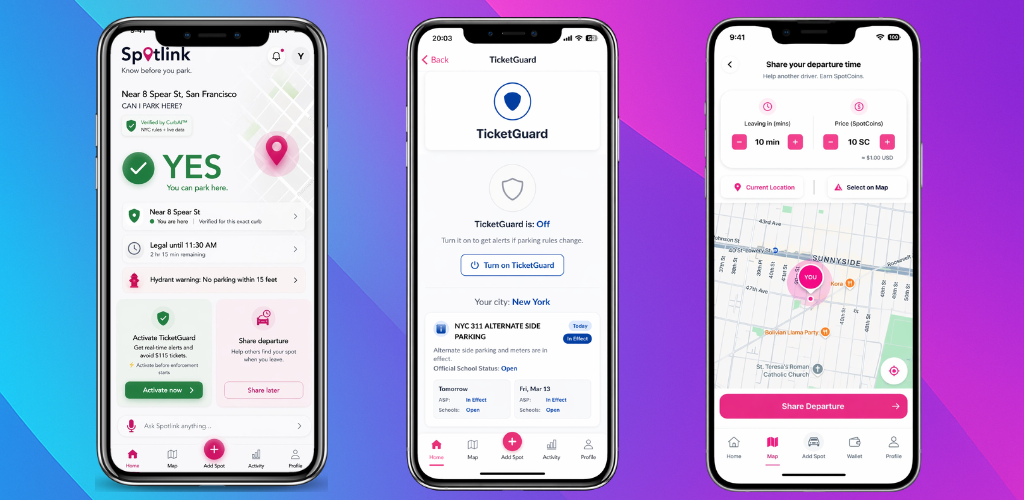
How Spotlink helps
CurbAI helps drivers interpret parking signs and curb context before they commit to a space. Ticket Guard helps drivers stay aware after they park.
FAQ
What should I check first?
Check the exact sign, arrow, day, time, curb marking, and nearby restriction before walking away.
Can I rely on another driver parked there?
No. Another car can be wrong, ticketed later, or parked under a condition that does not apply to you.
Is this legal advice?
No. This is driver education. Always follow posted signs, current NYC rules, and official instructions.
Related Spotlink resources
CTA
Before you guess at the curb, ask Spotlink before you park.