
Driver-Powered Parking — Built by Drivers, Not Guesswork
Driver-powered parking means parking intelligence created directly by drivers as they move through city streets.
Instead of relying on static maps, outdated data, or expensive infrastructure, Spotlink uses real driver actions — arrivals, departures, and signals — to reflect how parking actually works in real time.
This approach adapts naturally to cities, neighborhoods, and daily changes on the street.
Quick Answer
Driver-powered parking is a system where drivers contribute small real-time signals that collectively create accurate parking intelligence. It updates continuously as drivers come and go, so information reflects what’s happening now — not what happened earlier.
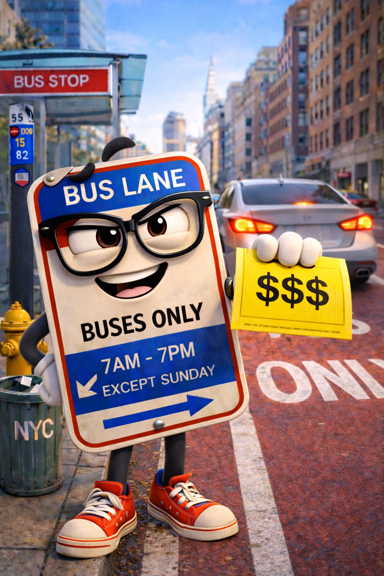
CurbAI™ helps interpret complex parking signs and curb rules so you don’t have to guess.
Ticket Guard™ helps alert drivers before time-based rules begin, reducing surprise tickets.
Real-world guides help you learn the patterns drivers miss most often.
Why This Problem Is Confusing
Parking is hard because streets change faster than most systems can update. A spot that looked open minutes ago may already be taken, and curb rules can change by time of day, block face, or temporary conditions.
Many parking tools are built on delayed or static assumptions, which creates a gap between what drivers see in real life and what the app says.
What Is Driver-Powered Parking?
Driver-powered parking is a system where drivers contribute small, real-time signals that collectively create accurate parking intelligence.
These signals can include:
Sharing when a driver is leaving a parking spot
Confirming real-world conditions on the street
Interacting with curb rules before parking
Each action is simple on its own, but powerful at scale. Unlike traditional parking systems, driver-powered parking updates continuously as drivers come and go.
Step-by-Step Decision Logic
Check for real-time intent, not just empty space
Empty space is a snapshot. Intent is a warning sign of what’s about to happen. Driver-powered systems value signals that show upcoming changes.
Verify curb legality before committing
Even if a space looks available, the bigger risk is legality. Use CurbAI™ to interpret sign stacks, arrows, and time windows.
Watch for time-based rule changes
Many “safe” spots turn into ticket zones when schedules begin. Use Ticket Guard™ to reduce surprise enforcement.
Approach smoothly when you have early visibility
Driver-powered parking works best when drivers use the time advantage calmly — route planning beats last-second turns.
Why Traditional Parking Data Falls Short
Most parking tools rely on:
Historical patterns
Fixed assumptions
Static availability
Infrastructure-heavy sensors
The problem is that streets don’t behave predictably. Construction, cleaning schedules, double-parking, deliveries, and local events change curb conditions constantly.
Driver-powered parking works because it reflects what’s happening right now, not what happened earlier.
How Spotlink Uses Driver-Powered Signals
Spotlink turns everyday driver behavior into real-time parking intelligence. Examples include:
A driver signaling they are about to leave
A driver checking curb rules before parking
A driver responding to alerts before restrictions begin
Each interaction updates the system dynamically, keeping information fresh and relevant. No single driver carries the burden — the network improves as participation grows.
The Network Effect of Driver-Powered Parking
Driver-powered systems improve with use. As more drivers participate:
Accuracy increases
Coverage expands
Confidence improves
Search time decreases
Even passive users benefit from active contributors. This creates a self-reinforcing loop where better data leads to better outcomes, encouraging continued use.
Driver-Powered Parking vs. Sensor-Based Systems
Many cities explore sensor-based parking solutions, but these systems face challenges:
High installation costs
Limited coverage
Maintenance requirements
Slow adaptation to change
Driver-powered parking:
Requires no physical infrastructure
Scales organically
Adjusts instantly
Works across neighborhoods without installation delays
It’s a practical approach that grows alongside the city.
Common Mistakes
Assuming “open” means “legal” without reading curb rules
Relying on delayed data instead of real-time signals
Ignoring time-based rule changes like street cleaning
Treating parking as a competition instead of a timing problem
Built for Drivers First, Cities Too
Driver-powered parking starts with helping drivers park faster and with less stress — but the benefits extend beyond individual users.
For cities, driver-powered data can:
Reduce circling and congestion
Improve curb utilization
Inform smarter planning
Support more efficient mobility strategies
What helps drivers today becomes valuable urban insight tomorrow.
Final Thoughts
Driver-powered parking works because it aligns with how people already behave. Drivers simply participate through everyday actions — and the network does the rest.
Spotlink turns those actions into parking intelligence that benefits drivers and cities alike.
FAQ
What is driver-powered parking?
Driver-powered parking is parking intelligence created from real driver signals in real time, rather than static or delayed data.
How is driver-powered parking different from parking availability maps?
Availability maps often lag or rely on assumptions. Driver-powered systems update continuously as drivers move through streets.
Does driver-powered parking require sensors?
No. Driver-powered parking can work without physical infrastructure because drivers themselves create the real-time signals.
Does this help reduce circling?
Yes. Early, real-time information reduces uncertainty, which reduces unnecessary loops and congestion.
How does Spotlink help with legality and curb rules?
CurbAI™ helps interpret complex signs and curb rules, and Ticket Guard™ helps alert drivers before time-based rules begin.