
Driver Incentives for Sharing Parking Information
Sharing parking information only works when incentives are designed carefully. In cities like NYC, public curb space cannot be sold, reserved, or controlled by private actors. Any system that encourages sharing must respect that reality.
Spotlink approaches incentives as a way to support voluntary participation in information exchange — not as payment for parking outcomes.
Quick Answer
Driver incentives on Spotlink support voluntary sharing of parking-related information. They do not reserve curb space, guarantee parking, or change a driver’s legal responsibility.
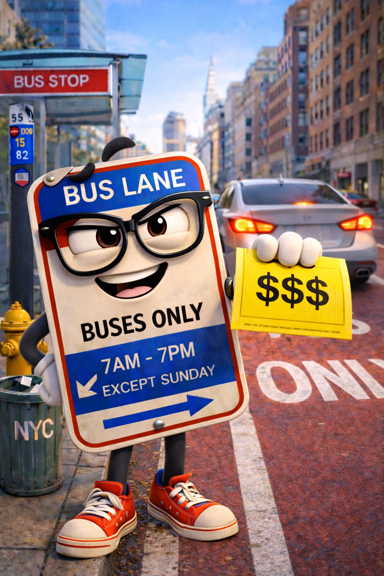
CurbAI™ helps interpret complex parking signs and curb rules in a simplified format.
Ticket Guard™ allows drivers to set reminders based on displayed time-based rules.
Incentives support participation without altering curb legality.
Why Incentives Must Be Handled Carefully
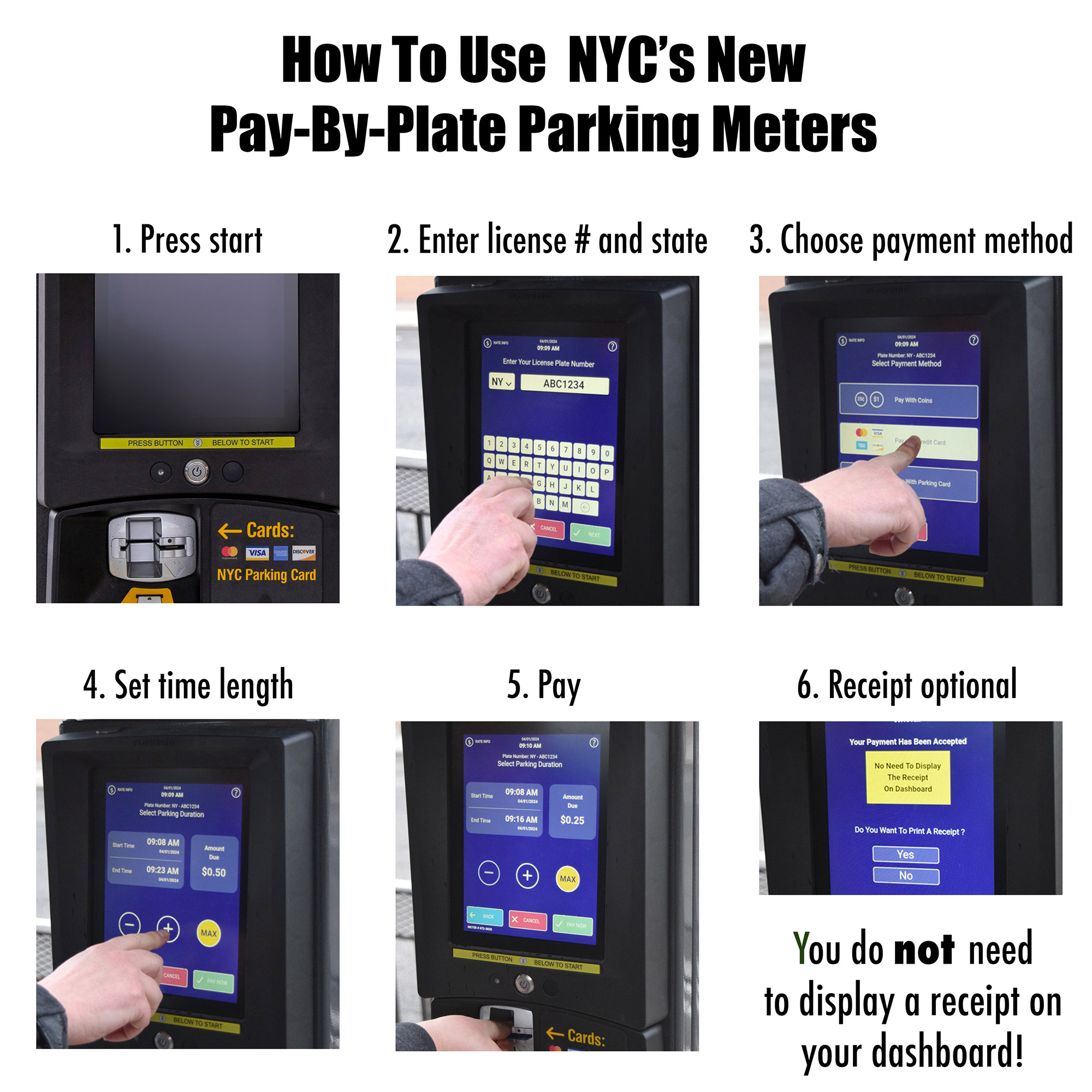
Public curb space is governed by city rules, not private platforms.
Systems that suggest drivers are being paid to hold, reserve, or control parking create legal and ethical problems.
Spotlink avoids these issues by ensuring that:
No curb space is reserved or held
No parking outcome is guaranteed
All decisions remain with the driver
What Drivers Actually Share
Drivers on Spotlink share limited, time-sensitive information.
This may include:
Indicating they are preparing to leave a curb
Participating in informational matching flows
Interacting with curb-rule displays
The information expires automatically and does not grant exclusive access.
Incentives as Participation Support
Spotlink uses internal participation credits to support engagement within the platform.
These credits:
Are used inside the Spotlink ecosystem
Support access to features and matching flows
Are governed by platform rules and safeguards
They are not payment for parking, enforcement outcomes, or curb access.
Voluntary Participation, Not Obligation
No driver is required to share information.
Participation is always:
Optional
User-controlled
Time-limited
Drivers remain fully responsible for verifying street signs and local rules.
Why Drivers Choose to Participate
Drivers participate because shared information:
Reduces uncertainty
Improves planning
Helps others avoid unnecessary circling
Incentives reinforce participation without encouraging unsafe behavior.
Safeguards and Enforcement
Spotlink applies safeguards to protect the system.
This includes:
Time-limited informational signals
Penalties for misuse or spoofing
Clear separation between public and private features
Incentives never override city rules or local law.
Driver Incentives and Urban Mobility
When designed responsibly, incentives can support smoother curb turnover and reduced congestion.
Community participation helps:
Lower circling
Reduce traffic stress
Improve overall street efficiency
The goal is awareness — not competition.
Final Thoughts
Driver incentives must align with public space rules and driver responsibility.
Spotlink’s approach supports information sharing without selling parking, reserving curbs, or guaranteeing outcomes.
This balance allows urban mobility systems to function responsibly in real cities.
FAQ
Are drivers paid to share parking information?
No. Spotlink uses internal participation credits, not payment for parking outcomes.
Do incentives reserve public curb space?
No. Spotlink does not reserve or hold public parking.
Is sharing parking information required?
No. Participation is always voluntary.
Do incentives change parking legality?
No. Drivers must always follow posted signs and local rules.
Why use incentives at all?
To support participation in information sharing without encouraging unsafe or illegal behavior.