
NYC Parking Signs With Multiple Rules
NYC parking signs often stack multiple rules on a single pole, making it hard to tell what actually applies to your exact parking spot. Missing just one detail can turn a legal space into a ticket.
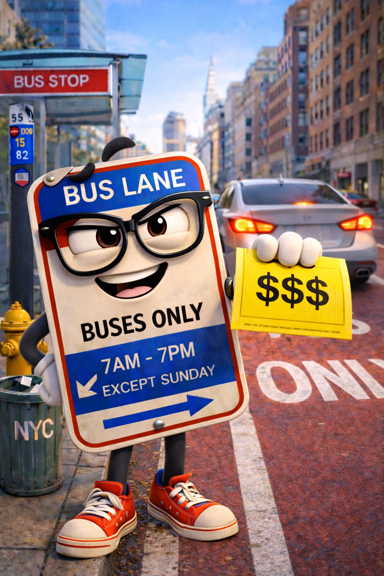
Quick Answer
When NYC parking signs show multiple rules, the most restrictive rule that applies to your location, day, and time always wins. Every sign, arrow, and time window must be considered together.
Why NYC Uses Multiple Parking Rules on One Sign
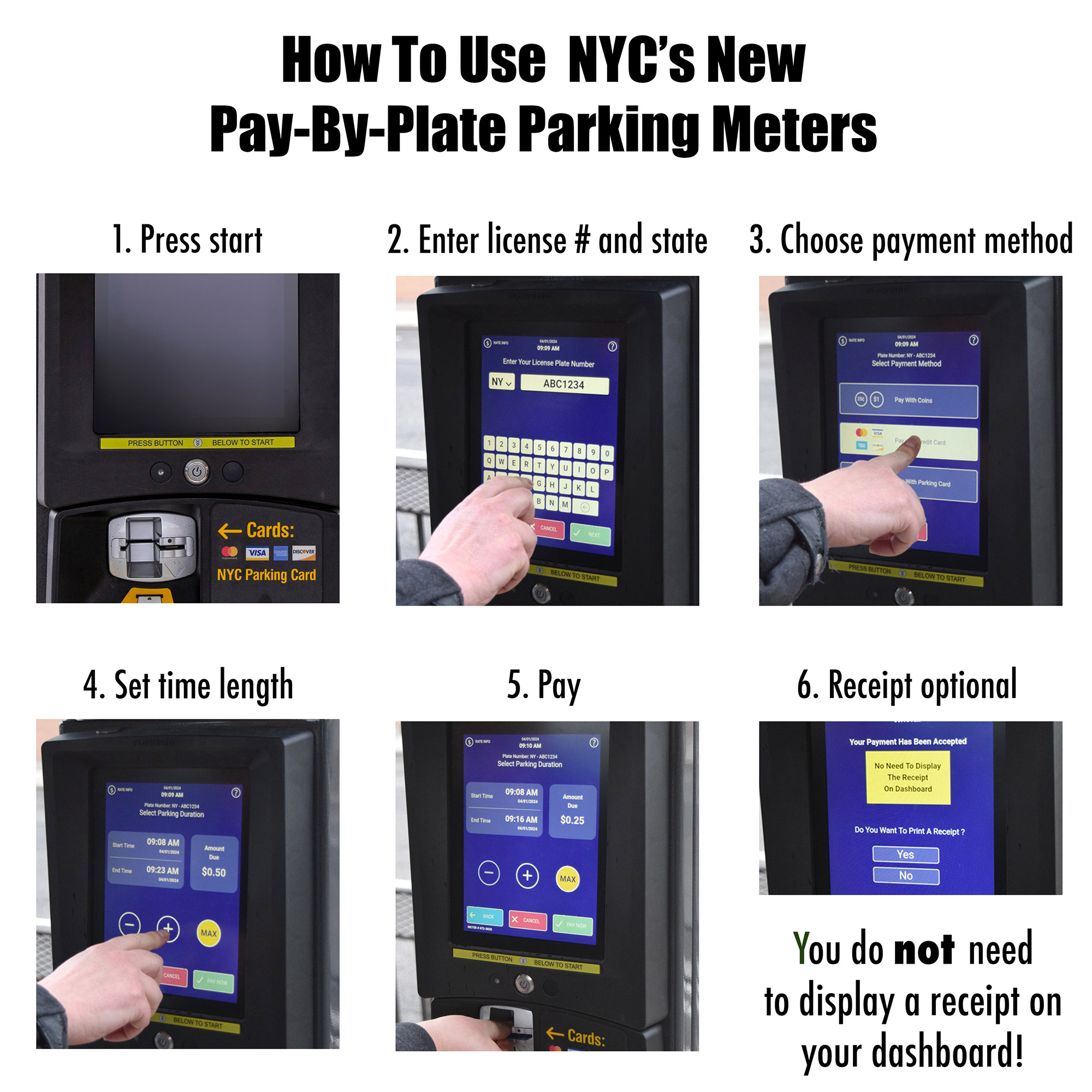
In dense areas, NYC combines street cleaning, time limits, permit rules, loading zones, and rush-hour restrictions to manage traffic flow. Instead of placing dozens of signs, these rules are stacked — which increases confusion for drivers.
Most tickets happen because drivers read one rule correctly but miss another that also applies.
How to Read NYC Parking Signs With Multiple Rules
Step 1: Read All Signs From Top to Bottom
Never stop at the first sign. Each additional sign may add a new restriction that applies to the same curb space.
Step 2: Identify the Most Restrictive Rule
No Parking beats No Standing. No Standing beats No Stopping. Time limits beat general permission. The strictest active rule controls the space.
Step 3: Match Each Rule to the Day
Some rules apply only on certain days. If today matches the listed day, that rule is active.
Step 4: Match Each Rule to the Time
Check the exact time window. A space can switch from legal to illegal within minutes.
Step 5: Follow the Arrows Carefully
Arrows define where each rule begins and ends. Different signs on the same pole may point in different directions.
Step 6: Check for Fixed Restrictions
Fire hydrants, crosswalks, driveways, corners, and bus stops are restricted regardless of posted signs.
When Multiple Rules Commonly Conflict
Street cleaning scheduled on the same block as time-limited parking
Permit-only hours combined with general parking hours
Rush-hour restrictions layered on top of all-day rules
Loading zones overlapping with residential parking
Want Help Interpreting Stacked Parking Rules?
Instead of manually decoding sign clusters, many drivers rely on tools that interpret multiple parking rules at once.
CurbAI™ helps interpret complex parking signs and curb rules so you don’t have to guess.
Ticket Guard™ helps alert drivers before time-based rules begin, reducing surprise tickets.
Real-world guides help you learn the patterns drivers miss most often.
Common Mistakes Drivers Make
Reading only one sign instead of the full stack
Assuming a later sign cancels earlier restrictions
Ignoring arrows on individual rules
Forgetting to check the current time
Assuming rules apply to the entire block
Why Getting It Wrong Is Expensive
NYC enforces stacked parking rules aggressively. A single misunderstanding can lead to repeated tickets on the same block.
Final Thoughts
If you see NYC parking signs with multiple rules, slow down and apply each one carefully. The strictest rule always controls the space.
Using tools that interpret stacked curb rules in real time can dramatically reduce confusion and ticket risk.
FAQ
Which parking rule applies if multiple signs are posted?
The most restrictive active rule always applies.
Do arrows apply to all signs on the pole?
No. Each sign’s arrows apply only to that specific rule.
Can parking rules change throughout the day?
Yes. Many NYC parking rules are time-based and change during the day.
Are fixed restrictions always enforced?
Yes. Fire hydrants, crosswalks, and corners are restricted regardless of signage.
What should I do if I’m unsure?
If you’re unsure, it’s safer to avoid the spot or use tools that interpret parking rules more clearly.